Tripura CM Accuses Opposition of Staging Drama Amid Civic Poll Protests
Tripura Chief Minister Manik Saha has accused opposition parties of staging political drama during civic elections, claiming their protests and demands for central forces stem from a total disconnect with voters.
In this piece
Tripura Chief Minister Manik Saha has criticized opposition parties for resorting to political drama ahead of the state's civic elections. Saha dismissed…
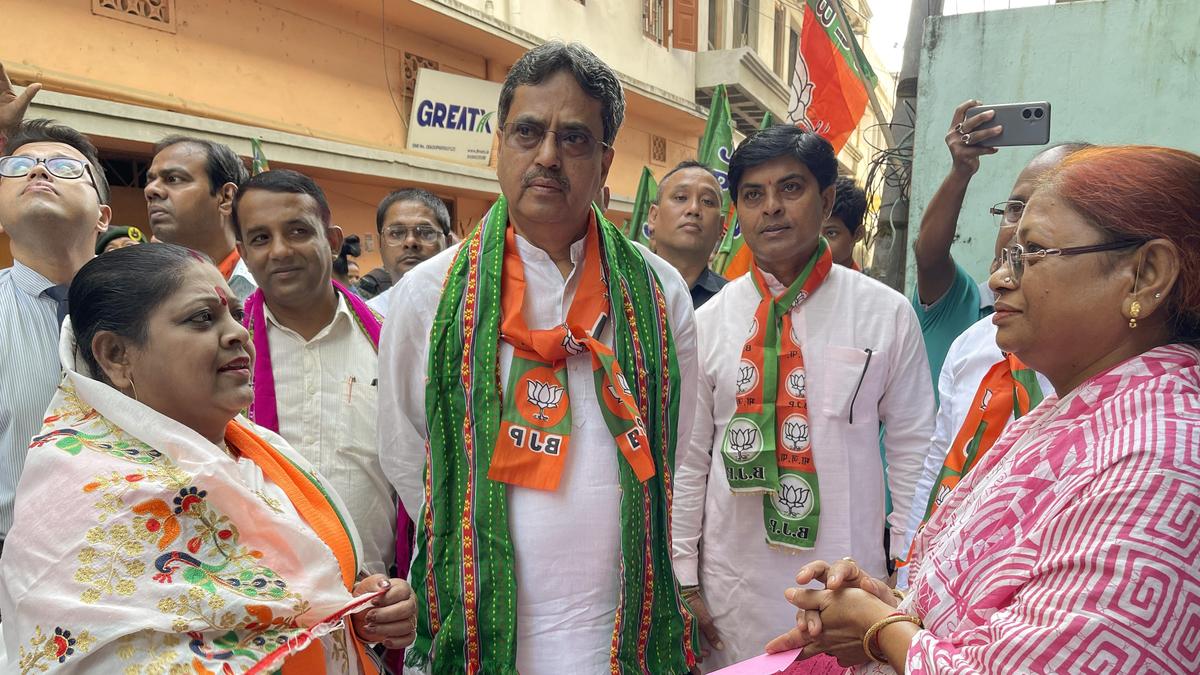
Tripura Chief Minister Manik Saha has launched a scathing attack against opposition parties in the state, accusing them of staging political drama and theatrical demonstrations during the ongoing civic poll process. Addressing party gatherings and campaign events, the Chief Minister claimed that rival political groups have become entirely disconnected from the general public. He asserted that these demonstrations are calculated attempts to mask an absence of grassroots support among urban voters.
The Chief Minister's remarks follow a wave of demonstrations, sit-ins, and press statements organized by key opposition parties, including the Congress and the Left Front. Opposition organizations have raised sharp objections regarding the conduct of the civic elections, alleging administrative bias and intimidation of their candidates across multiple urban local bodies. They have also accused the ruling establishment of creating an unlevel playing field ahead of balloting.
Central to the opposition’s agitation has been a persistent demand for the deployment of central paramilitary forces to oversee voting operations and secure sensitive polling premises. Opposition leaders maintain that independent central forces are essential to ensure that voters can cast their ballots freely without fear of violence or coercion. They argue that state police alone may not provide sufficient confidence to electorate members in contested wards.
Saha categorically dismissed these calls, characterizing the demand for central forces as an artificial issue generated solely to create panic and attract media coverage. He argued that opposition leaders are preparing excuses in advance because they recognize that they cannot win broad voter trust. The Chief Minister maintained that state law enforcement agencies and election officials possess full competence to ensure peaceful, transparent, and lawful elections.
The sharp political rhetoric highlights the high stakes surrounding the municipal elections across Tripura's towns and cities. In earlier stages of the civic poll process, the ruling Bharatiya Janata Party consolidated significant ground, securing multiple seats uncontested after rival contenders failed to file or withdrew nominations. The opposition alleged that coercive pressure contributed to those uncontested wins, an accusation that the ruling party firmly denied.
Local governance contests in Tripura hold broader significance as a vital barometer of public sentiment regarding urban infrastructure, public amenities, and administrative responsiveness. With municipalities and town committees managing essential civic works, local utilities, and urban development projects, both sides view the election outcomes as an indicator of organizational strength and voter approval across urban demographic segments.
Saha reiterated that voters are focused on tangible developmental progress and municipal delivery rather than confrontational political theatrics. During campaign addresses, he highlighted state-backed welfare schemes, roads, water supply initiatives, and urban modernization efforts, urging residents to back candidates committed to steady governance. He framed the election as a clear choice between continuity of development and political obstructionism.
Opposition leaders, conversely, have pledged to sustain their campaign pressure, demanding that electoral authorities strictly enforce the model code of conduct and monitor vulnerable polling booths. Party functionaries have indicated that they will document and report any electoral violations, urging civic observers to remain vigilant on voting day. They maintain that true public sentiment can only emerge if polling conditions remain unimpeded.
With voting scheduled to proceed across urban local bodies, the state election machinery and administrative officials are finalizing security arrangements and logistical measures. Electoral observers are expected to oversee procedures across all polling stations to maintain public order. The eventual outcome will test whether the ruling party's developmental narrative retains urban confidence or if opposition grievances resonate with voters at the ballot box.
Primary source: Google News Tripura. Newzly rewrites and structures source reporting for clarity; verify critical details at the original.