Tron Founder Justin Sun Seeks $264,000 in Sanctions Against World Liberty Financial
Tron founder Justin Sun is asking a federal court to impose nearly $264,000 in sanctions against World Liberty Financial, alleging the Trump-backed crypto venture concealed its UAE ownership ties during an ongoing token freeze lawsuit.
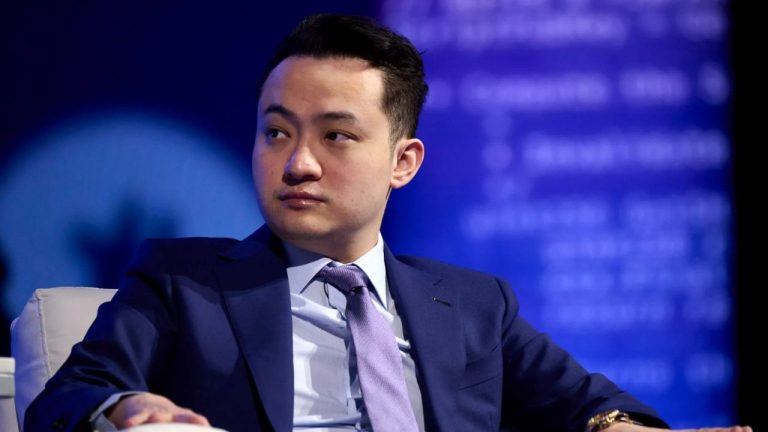
Justin Sun, the founder of the Tron blockchain network, is seeking nearly $264,000 in legal sanctions against World Liberty Financial and its legal counsel. According to a motion filed Monday in U.S. District Court, Sun alleges that the cryptocurrency venture improperly withheld crucial disclosures regarding its ownership ties to the United Arab Emirates.
The sanctions request arises amid an ongoing legal battle concerning Sun's frozen holdings of the venture's native tokens, known as WLFI. World Liberty Financial, a decentralized finance project promoted by members of Donald Trump's family, has been embroiled in court proceedings with the crypto entrepreneur over the restricted digital assets.
Central to Sun's motion is the allegation that the defense failed to promptly reveal key corporate affiliations and foreign ties during the early stages of the litigation. The filing contends that information detailing the firm's ownership connections to the UAE was concealed for months rather than being disclosed in initial proceedings.
In federal litigation, corporate disclosure statements are mandatory procedural requirements designed to establish jurisdiction and identify potential conflicts of interest. Legal teams often face monetary penalties or formal reprimands if judges determine that jurisdictional information or entity relationships were deliberately delayed or obscured from the opposing side.
The underlying dispute centers directly on the restriction placed on Sun's WLFI tokens, which prompted the initial court action. While details surrounding the specific contractual mechanisms remain contested in the court record, the dispute reflects broader tensions over token custody, governance rights, and investor restrictions within high-profile crypto initiatives.
The lawsuit brings together two of the most recognizable names in the cryptocurrency ecosystem. World Liberty Financial has drawn substantial media and regulatory attention due to its explicit ties to the Trump family, while Sun has long been an active and outspoken figure across the digital asset space.
The focus on United Arab Emirates ties underscores the intricate, cross-border nature of modern cryptocurrency enterprises. With regulatory frameworks continuing to evolve across different international jurisdictions, disclosure regarding offshore ownership and corporate structuring frequently emerges as a pivotal battleground in commercial disputes.
Sun's requested penalty of nearly $264,000 reflects legal expenses and procedural costs allegedly incurred as a result of the delayed corporate disclosures. While federal courts exercise broad discretion in evaluating sanction requests, resolving the motion will require the presiding judge to review the defense's timeline of disclosures against procedural standards.
For the broader digital asset industry, the litigation exemplifies the increasing intersection between traditional court rules and decentralized finance platforms. When ventures backed by prominent figures face civil litigation, procedural compliance and corporate transparency face intense legal scrutiny rather than just market debate.
World Liberty Financial and its counsel are expected to formally respond to the sanctions motion before the federal court issues a determination. Until the judge rules on the requested penalties and the broader token dispute, both parties remain locked in a contentious legal fight that continues to unfold on the federal docket.
Primary source: Bitcoin.com News. Newzly rewrites and structures source reporting for clarity; verify critical details at the original.