Trump Arrives in Shenzhen for High-Stakes Summit With Xi and Putin
Donald Trump arrived in Shenzhen for high-stakes summit talks with Xi Jinping and Vladimir Putin, facing profound diplomatic skepticism as the three world powers confront deep divisions over trade, security, and nuclear arms.
In this piece
U.S. President Donald Trump has landed in Shenzhen, China, setting up historic talks with Chinese President Xi Jinping and Russian President Vladimir Putin. The…
U.S. President Donald Trump has arrived in the southern Chinese metropolis of Shenzhen, setting the stage for an unprecedented trilateral meeting with Chinese President Xi Jinping and Russian President Vladimir Putin. Chinese state media and international news reports confirmed that Trump was greeted on the airport tarmac by Xi, an unusual departure from standard diplomatic protocol that underscored the symbolic weight of the gathering. The arrival marks the beginning of high-stakes talks on global security and commerce.
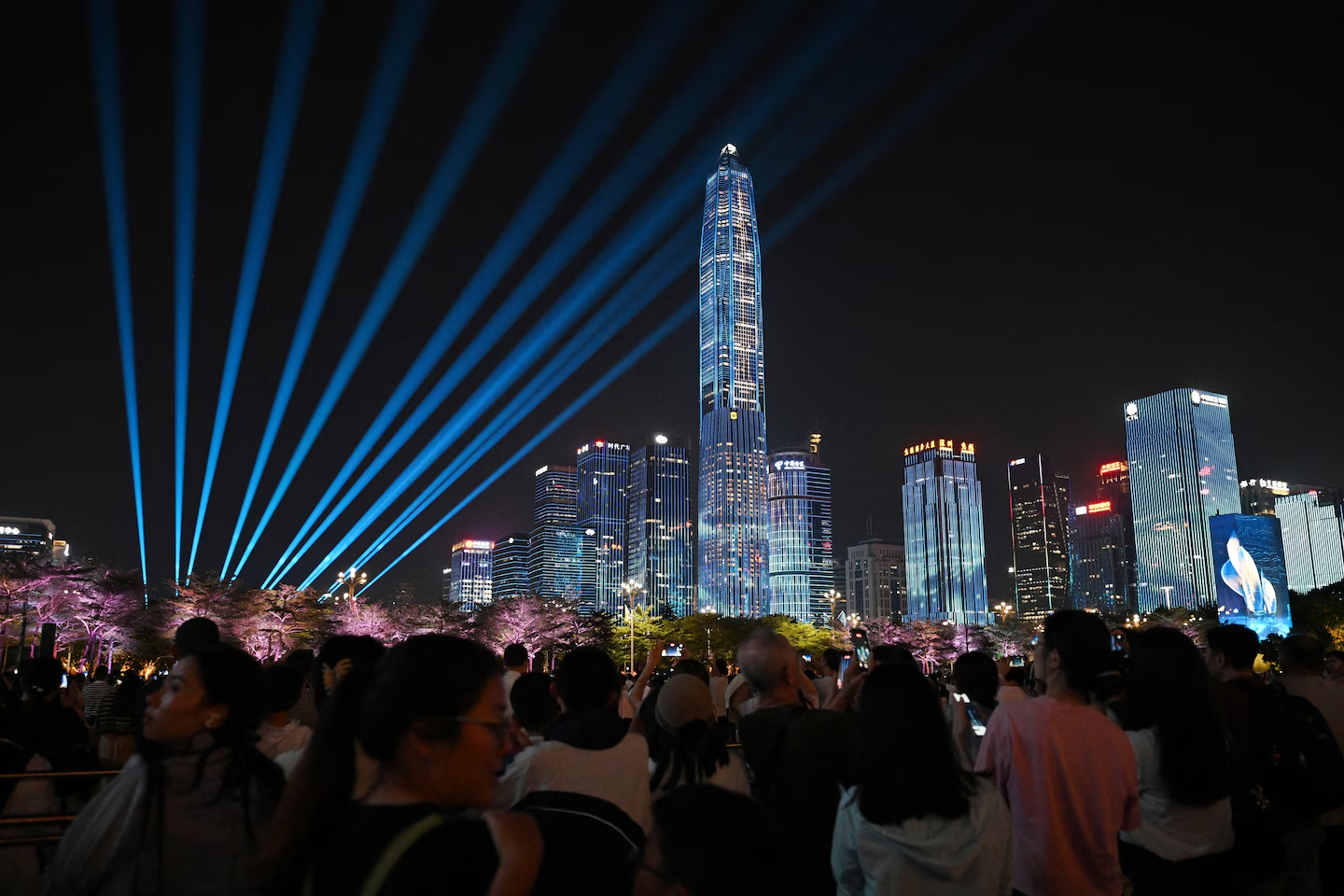
The selection of Shenzhen as the host city carries profound political resonance for China's leadership, as reported by The Washington Post. The southern technology hub is intimately tied to the legacy of Xi’s father, Xi Zhongxun, who played a central role in establishing the region as China’s first special economic zone during the early reform era. Holding the summit there provides Beijing with a potent backdrop to showcase its economic transformation.
The core of the diplomatic agenda revolves around high-stakes negotiations touching on trade policy, regional security, and international arms control. According to NPR, the three leaders are scheduled to participate in a rare joint session before Trump and Putin hold a separate bilateral meeting. The talks are expected to address contentious topics including the ongoing conflict in Ukraine and heightened tensions across the Middle East.
A central element of Trump’s agenda is reviving discussions around a comprehensive trilateral nuclear arms control framework. However, reporting from The Washington Post highlights that defense analysts and veteran diplomats remain deeply skeptical that Moscow or Beijing will agree to mutual limits on their strategic forces. Both rivals have continued expanding their deterrence capabilities while resisting calls to enter tripartite nonproliferation pacts.
The summit has generated sharp debate across international diplomatic circles and within Washington over the long-term implications of such an encounter. Analysts cited by CNN raised concerns over Trump’s engagement strategy, arguing that neither Russia nor China currently demonstrates alignment with core American security objectives. Critics contend that providing an uncritical platform to both authoritarian leaders risks undermining long-standing democratic alliances.
The spectacle of the three leaders gathering outside established international multilateral bodies has prompted comparisons to historic wartime summits. As noted by The New York Times, the historic shadow of the 1945 Yalta Conference hangs heavily over the Shenzhen discussions. Observers in European and Asian capitals fear that any informal agreements between the powers could compromise the sovereignty of smaller allied nations.
Economic frictions are also poised to dominate the formal and informal conversations between the delegations. In speeches leading up to the summit, Xi reaffirmed Beijing’s opposition to protectionist trade policies and unilateral tariffs, while Russian representatives pushed back against Western sanctions. The divergent economic interests highlight the friction between Washington’s trade enforcement priorities and the economic goals of China and Russia.
Significant diplomatic barriers remain before any tangible agreements or communiques can emerge from the Shenzhen discussions. Seasoned diplomats caution that entrenched positions on territorial integrity, technological rivalry, and military alliances leave little room for easy compromise. Without detailed preparatory groundwork, major diplomatic breakthroughs appear improbable during these opening rounds of discussions.
In the coming days, working-level negotiators and senior advisers are expected to meet behind closed doors to assess where practical collaboration might still be viable. While public messaging from the delegations will likely emphasize diplomatic dialogue and geopolitical stability, governments around the world will be watching closely for any shift in the global balance of power.
Primary source: Google News U.S.. Newzly rewrites and structures source reporting for clarity; verify critical details at the original.