Trump Calls Further US Strikes on Iran 'Highly Unlikely' but Warns Forces Remain Ready
President Donald Trump said additional U.S. attacks on Iran are highly unlikely under the current status quo, though he warned American armed forces remain locked and loaded if regional conditions change.
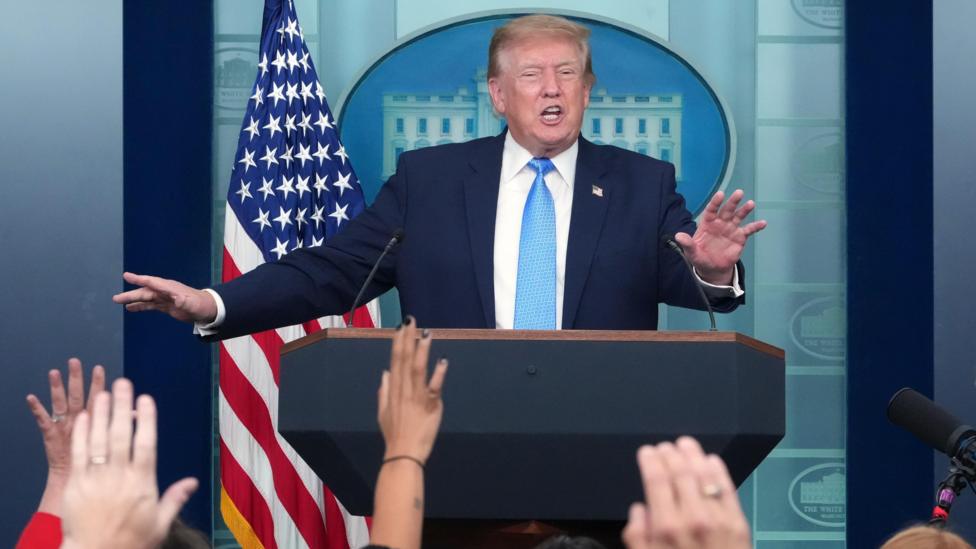
President Donald Trump has indicated that further United States military strikes against Iran are currently considered highly unlikely. Speaking on the broader tensions across the Middle East, the president stated that Washington is actively maintaining the existing status quo between both nations for the time being. The comments provide a notable signal regarding the administration's immediate posture in an otherwise unpredictable geopolitical standoff.
At the same time, the president stressed that the United States military remains fully prepared to respond should circumstances in the region suddenly shift. Trump underscored that American forces remain locked and loaded if developments on the ground require a rapid change in defensive measures. The dual posture reflects a consistent strategy of signaling readiness while attempting to dampen fears of an immediate regional escalation.
The remarks suggest an immediate preference in Washington for deterrence and stability over renewed direct confrontation. By characterizing additional military strikes as highly improbable under current conditions, the administration appeared intent on easing concerns among global allies and commercial sectors. Observers noted that public assessments of this kind are often intended to stabilize market sentiment and international diplomacy.
Simultaneously, the explicit warning that forces remain on alert serves as a calibrated message directed toward leadership in Tehran. U.S. strategic posture has consistently sought to balance public rhetoric that discourages regional miscalculation with explicit warnings of potential force. The underlying message suggests that any alteration to the prevailing baseline would meet a swift and decisive response.
The relationship between Washington and Tehran has long been marked by deep diplomatic estrangement, economic pressure, and periodic military confrontations across the wider Middle East. Over recent years, incidents involving regional interests, shipping corridors, and allied facilities have repeatedly brought the two adversaries to the brink of wider hostility. Consequently, any shift in tone from the presidency draws immediate international scrutiny.
By reiterating a commitment to the status quo, the administration is indicating an effort to prevent an open-ended confrontation that could destabilize key regional partnerships. International partners and energy markets have historically reacted with acute volatility to escalating rhetoric between the two states. A declared pause in military action offers a measure of relief to regional powers seeking to avoid widespread conflict.
Despite the reassurances that further direct attacks remain improbable in the near term, strategic analysts point out that unpredictable ground realities can rapidly upend fragile understandings. Regional security environments remain inherently complex, where unintended encounters or proxy actions can trigger unexpected escalatory cycles. In such a volatile climate, maintaining a static diplomatic and military position poses ongoing challenges for defense planners.
The dual narrative of diplomatic restraint coupled with military readiness highlights the delicate corridor through which United States Middle East strategy must navigate. Sustaining credible deterrence while deliberately avoiding unwanted military entanglements requires continuous calibration from national security leadership. The administration appears focused on preserving leverage without initiating actions that could compel an armed response.
For regional governments and international observers, attention now turns to how authorities in Tehran interpret the signals emerging from Washington. Diplomats and security monitors will be closely observing whether the rhetoric is met with reciprocal restraint or renewed friction. Many international stakeholders continue to advocate for de-escalation channels to prevent miscalculations from eroding the fragile status quo.
Looking ahead, the longevity of this standoff will depend heavily on whether security conditions across the Middle East remain stable. While further direct American strikes appear unlikely under existing parameters, any sudden shift in regional dynamics could swiftly test the administration's resolve. For now, Washington maintains its watchful stance, balancing declarations of peace with the explicit warning of military capability.
Primary source: BBC World. Newzly rewrites and structures source reporting for clarity; verify critical details at the original.