Trump Overcomes Court Defeats Through Fast Execution and Policy Workarounds
A Washington Post analysis reveals how the Trump administration frequently secures its policy objectives despite courtroom losses by outrunning judicial timelines and reshaping policies.
In this piece
An investigative report from The Washington Post examines how the Trump administration navigates judicial setbacks by moving faster than court calendars and…
According to an analysis published by The Washington Post, the Trump administration has frequently advanced its core policy and infrastructure goals even after suffering repeated defeats in federal courtrooms. The reporting highlights how executive officials have navigated adverse judicial rulings through swift operational timing and procedural workarounds. By the time legal challenges wind their way through deliberate court dockets, key government initiatives are often already completed or significantly underway.
Legal observers cited in the report describe the dynamic as a form of procedural maneuvering that exploits structural features of the American judicial system. While judges maintain authority to halt unlawful actions, the mechanics of issuing injunctions require time, formal briefings, and evidentiary evaluations. The administration has leveraged that deliberative pace to implement contentious decisions before opponents can secure emergency judicial relief.
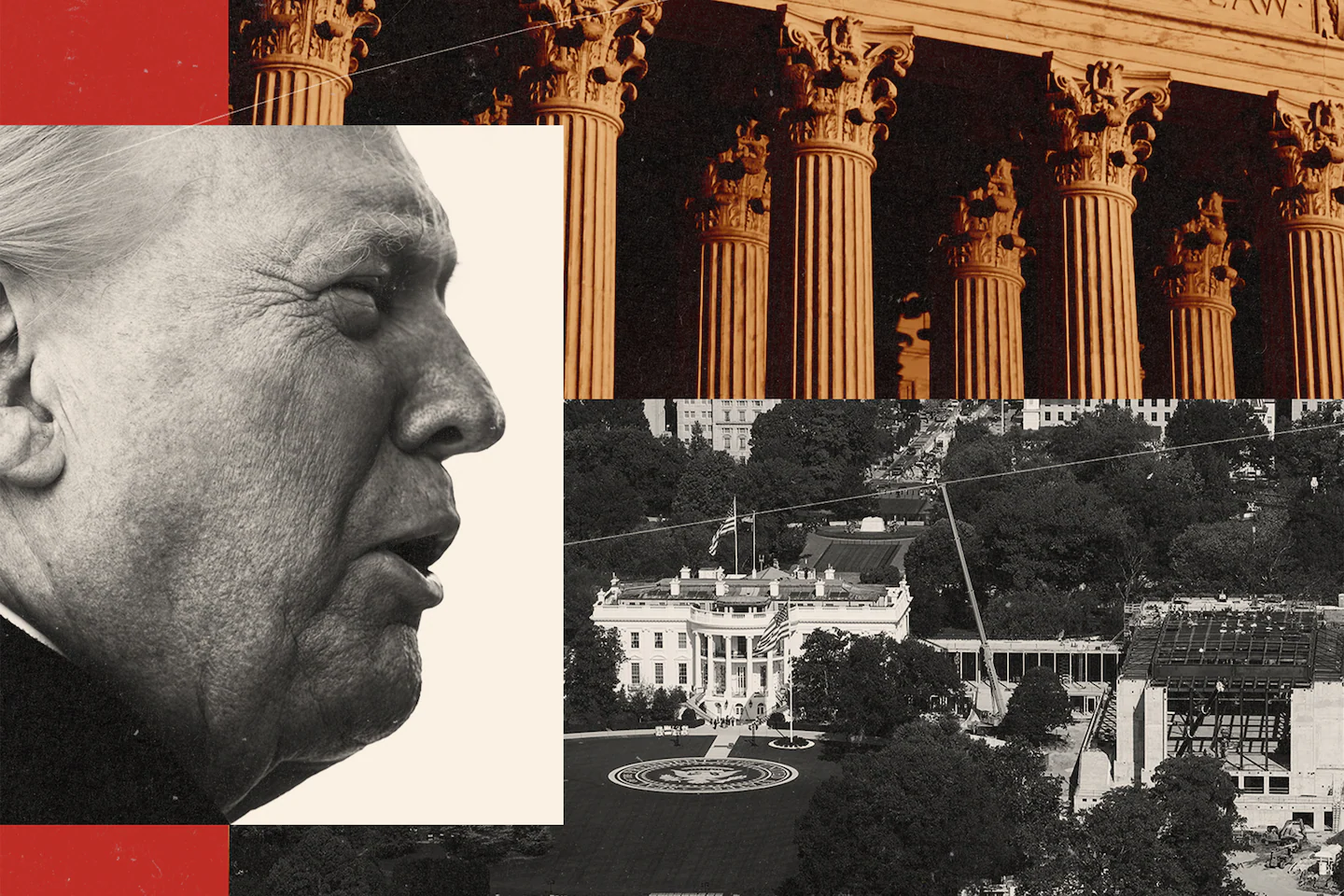
A primary tactic identified in the findings involves moving faster than the courts can reasonably rule. In disputes involving construction or site alterations, workers have broken ground or removed existing structures before lawsuits could fully mature. Even when federal judges subsequently rule that the underlying directives lacked statutory backing, plaintiffs and courts are left facing an irreversible physical reality.
The strategy has also appeared in regulatory and trade disputes, including recurring battles over international tariffs. When federal judges have struck down specific executive trade measures as exceeding presidential authority, officials have sought alternative statutory mechanisms to achieve similar economic restrictions. Rather than abandoning controversial policies after judicial setbacks, the administration has often reconfigured them under different administrative frameworks.
The reporting notes that sudden execution has caught both plaintiffs and the bench off guard in several property and land use cases. Government agencies have at times moved forward with minimal notice or taken decisive action immediately before weekends and federal holidays. Legal challenges filed in response must then contend with rapidly changing facts on the ground, complicating efforts to preserve the legal status quo.
This approach relies heavily on traditional judicial presumptions, including the longstanding legal principle that executive agencies generally act in good faith. Federal courts are historically cautious about issuing sweeping pre-emptive orders against sovereign government conduct. By operating within the gap between an agency directive and a final judicial decree, the administration can alter facts before courts decide to intervene.
The recurring friction has placed notable strain on the relationship between federal judges and executive branch attorneys. Legal scholars express concern that systemic circumvention undermines the constitutional balance of power between the branches of government. Conversely, administration supporters argue that decisive executive agility is necessary to cut through bureaucratic inertia and deliver on national mandates.
As ongoing legal challenges continue to move through appellate benches, judges are increasingly scrutinizing the timelines and procedural justifications presented by government lawyers. Some courts have begun weighing faster briefing schedules and narrower emergency relief to prevent cases from becoming moot through pre-emptive implementation. Whether the judiciary adapts its procedural enforcement mechanisms remains a central test for the durability of legal oversight.
Primary source: Google News Washington. Newzly rewrites and structures source reporting for clarity; verify critical details at the original.