Trump Still Interested in Bitcoin Purchases, but Legal Hurdles Remain, Witt Says
Former White House crypto adviser Patrick Witt says Trump remains interested in expanding the U.S. bitcoin reserve through purchases, but questions over legal authority complicate that ambition.
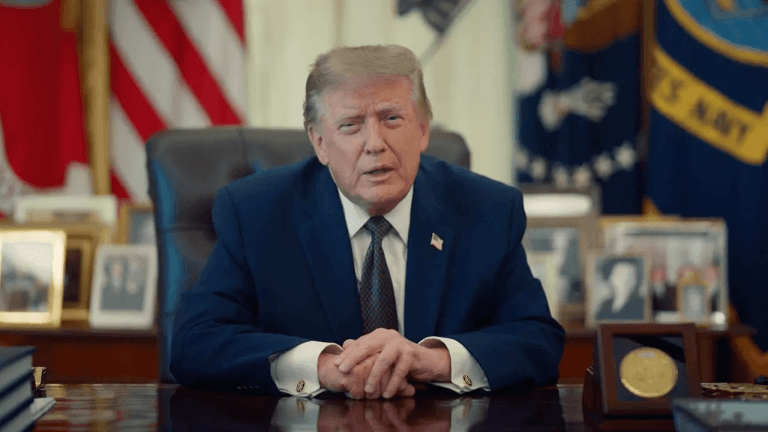
President Donald Trump remains interested in buying bitcoin for the U.S. Strategic Bitcoin Reserve, but open-market purchases face legal obstacles, former White House crypto adviser Patrick Witt said, according to Bitcoin.com News. His remarks describe an administration ambition rather than an announcement that a purchasing program has been approved.
Witt made the comments on the What Bitcoin Did podcast, the publication reported. The former executive director of the White House crypto council, who left for the private sector in October, said officials had discussed ways to acquire additional bitcoin and that the president remained interested.
The central obstacle, in Witt’s account, is legal authority. Bitcoin.com News reported that he cited a rider in the National Defense Authorization Act as barring outright purchases, describing open-market buying as legally questionable. That assessment should be distinguished from a court ruling or a separately verified interpretation of the provision.
The reserve traces its formal establishment to Trump’s March 6, 2025, executive order. The White House described its purpose as retaining bitcoin as a reserve asset, giving the cryptocurrency a different policy role from other digital assets held by the federal government. Establishing that framework did not itself announce market purchases.
Under the order, the reserve’s initial assets were to come from eligible bitcoin already owned by the Treasury following final forfeiture proceedings or certain civil penalties. Other agencies were directed to review their authority to transfer holdings. This approach centers on managing assets already in government possession, rather than buying coins from sellers.
The White House’s accompanying fact sheet nevertheless left room for expansion. It said Treasury and Commerce officials could develop acquisition strategies that were budget neutral and imposed no additional costs on taxpayers. That condition makes funding a separate consideration from presidential support: an acceptable financial structure would still have to fit the applicable legal framework.
The executive order also directed Treasury to evaluate legal and investment considerations, including whether legislation would be needed to implement aspects of the reserve. Its general provisions require implementation consistent with existing law and available appropriations. Those qualifications help explain why the policy’s stated objectives and its operational possibilities are not necessarily identical.
For observers assessing the reserve’s significance, the distinction is consequential. Retaining forfeited bitcoin and entering the market as a buyer represent different forms of government participation. Witt’s reported comments concern the possibility of moving toward the latter, not evidence that the government has already taken that step.
The next substantive development would be a legally supported acquisition mechanism or legislative action addressing the obstacles Witt described. Until then, his account points to continued presidential interest constrained by implementation questions. It does not establish a purchase timetable, a target quantity or an authorized open-market buying program.
Primary source: Bitcoin.com News. Newzly rewrites and structures source reporting for clarity; verify critical details at the original.