Trump Sued by Circle Shareholder Over $2 Billion in UAE Crypto Deals
A federal lawsuit accuses President Donald Trump of violating the U.S. Constitution through more than $2 billion in UAE-linked transactions involving his crypto project, World Liberty Financial.
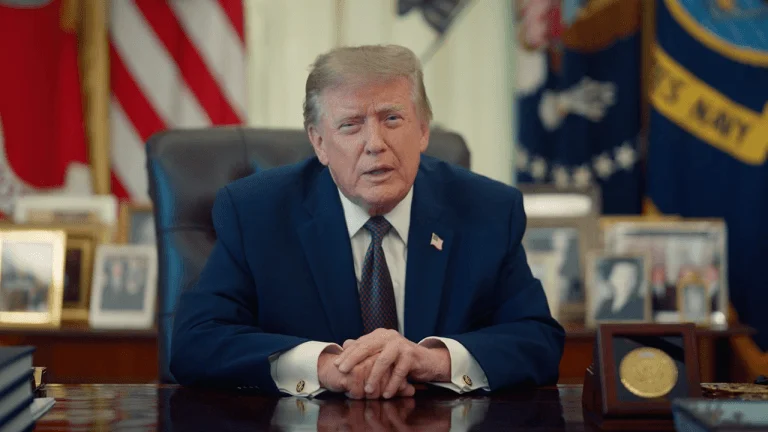
A shareholder in Circle Internet Group has filed a federal lawsuit against President Donald Trump, his family-backed cryptocurrency venture World Liberty Financial, and U.S. Middle East Special Envoy Steve Witkoff. The derivative action accuses Trump of violating the U.S. Constitution by accepting more than $2 billion in transactions linked to the United Arab Emirates.
The complaint was lodged in the U.S. District Court for the District of Columbia by J. Benjamin Greenberg, a Circle shareholder and former software engineer for the stablecoin issuer. Greenberg brought the lawsuit derivatively on behalf of Circle, arguing that the foreign financial arrangements generated illicit windfalls while inflicting commercial harm on domestic competitors.
At the heart of the legal challenge is the Foreign Emoluments Clause of the U.S. Constitution, which strictly prohibits federal officeholders from receiving gifts, titles, or profits from foreign states without express congressional approval. The lawsuit alleges that foreign state-backed capital flows directly enriched the president through his decentralized finance venture without legislative authorization.
The litigation focuses on two major transactions tied to Emirati leadership. The first is a $500 million agreement in which an entity connected to Sheikh Tahnoon bin Zayed Al Nahyan, the UAE national security adviser, purchased a 49% equity stake in World Liberty Financial shortly before Trump took office. According to the filing, that pre-inauguration deal yielded substantial post-inauguration commercial profits for Trump and his associates.
The second transaction centers on a $2 billion investment by MGX, an Abu Dhabi technology investment vehicle also chaired by Sheikh Tahnoon, into global cryptocurrency exchange Binance. That multi-billion-dollar deal was settled using USD1, the dollar-pegged stablecoin issued by World Liberty Financial, generating transactional velocity and prestige for the nascent token project.
Greenberg contends that routing high-level foreign state transactions through World Liberty Financial gave the startup an unconstitutional regulatory and commercial advantage. The lawsuit claims this preferential positioning directly disadvantaged rival stablecoin issuers, specifically undermining Circle and the market adoption of its flagship USDC token.
Circle promptly moved to distance itself from the legal offensive, stating publicly that the company did not authorize, direct, or participate in Greenberg’s derivative action. Stablecoin executives have sought to maintain a constructive relationship with federal regulators and lawmakers while advancing digital asset legislation in Washington.
Representatives for World Liberty Financial and administration spokespersons dismissed the complaint, calling the allegations baseless and politically motivated. Defense allies maintain that commercial agreements involving private business entities do not meet the legal threshold of prohibited foreign emoluments.
The case represents an unprecedented collision between modern digital asset finance and founding-era constitutional restrictions on executive conduct. Legal scholars note that defining whether cryptocurrency transactions and token distribution rights constitute foreign emoluments introduces novel questions for federal courts.
The dispute now heads to a federal judge in Washington, where proceedings will likely hinge on whether Greenberg possesses legal standing to bring claims on Circle’s behalf without board consent. The outcome could establish critical legal boundaries for presidential business ventures and the intersection of sovereign wealth funds with American crypto platforms.
Primary source: Bitcoin.com News. Newzly rewrites and structures source reporting for clarity; verify critical details at the original.