Trump Tariff Threat to India Includes Conditional Relief, NDTV Reports
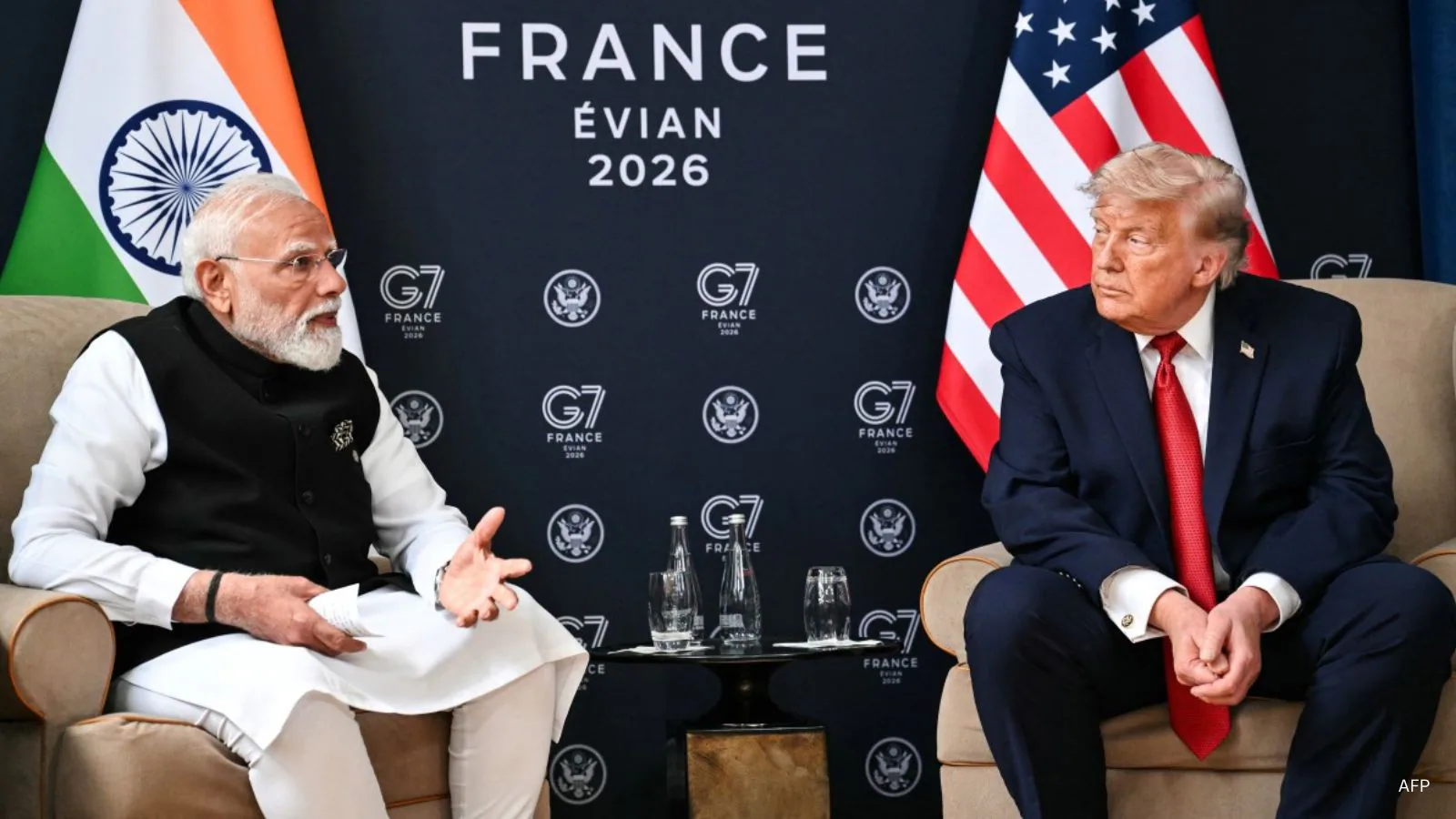
Donald Trump's latest tariff threat to India includes a conditional route to relief, NDTV reports, while separate coverage says India disputes a U.S. excess-capacity charge and remains committed to a trade deal.
In this piece
NDTV reports that Donald Trump's latest tariff threat to India includes a relief clause carrying a cost, though the supplied material does not detail its terms.…
Donald Trump's latest tariff threat to India includes a route to relief that comes with a cost, according to an NDTV headline carried by Google News India. The supplied material does not explain the conditions, leaving the scope of the threatened measure and the requirements for avoiding it unclear.
The report appears alongside coverage of India's response to U.S. trade pressure, including a Telegraph India headline saying the government disputes an American allegation of excess capacity. That headline also says India remains committed to an early trade deal, indicating that its objection to the charge has not displaced its stated negotiating goal.
The distinction between a tariff threat and an implemented duty is important for understanding the development. The supplied headlines do not establish when the latest threatened measure would take effect, which goods it would cover or whether an official order has been issued, so they cannot support a definitive account of its practical reach.
NDTV's reference to a relief clause suggests the threatened action is not presented as unconditional, but the available text does not identify the price of that relief. Without those details, it is not possible to determine whether the conditions concern trade concessions, business decisions or another requirement, or how India might respond to them.
The Hindu frames the new U.S. tariffs on India as pressure tactics in a separate headline. That is the publication's characterization rather than evidence of the precise terms of the latest threat, but it places the dispute within a broader debate about the use of tariffs to influence negotiations.
For businesses trading between the two countries, the central questions would be coverage, timing and eligibility for any exemption or reduction. Tariffs can change the cost of importing goods, while conditional relief can create different outcomes for affected suppliers; neither the likely costs nor the beneficiaries can be established from the material provided.
A separate NDTV headline refers to a 40% tariff threat in connection with China despite a trade deal. The supplied text does not establish that this figure applies to India, and the two headlines should not be combined into a single tariff announcement without further reporting that explicitly connects them.
The next substantive developments to watch are the publication of detailed U.S. terms and any fuller Indian response explaining its position on the proposed conditions. For now, the available reporting points to renewed tariff pressure alongside India's stated willingness to pursue an agreement, rather than a documented settlement or a fully specified new tariff regime.
Primary source: Google News India. Newzly rewrites and structures source reporting for clarity; verify critical details at the original.