Trump Threatens 'Tremendous Tax' to Halt U.S. Data Center Construction Abroad
Following a trilateral summit in China, Donald Trump warned at the White House that American companies building data centers overseas will face steep tax penalties to protect domestic capacity.
In this piece
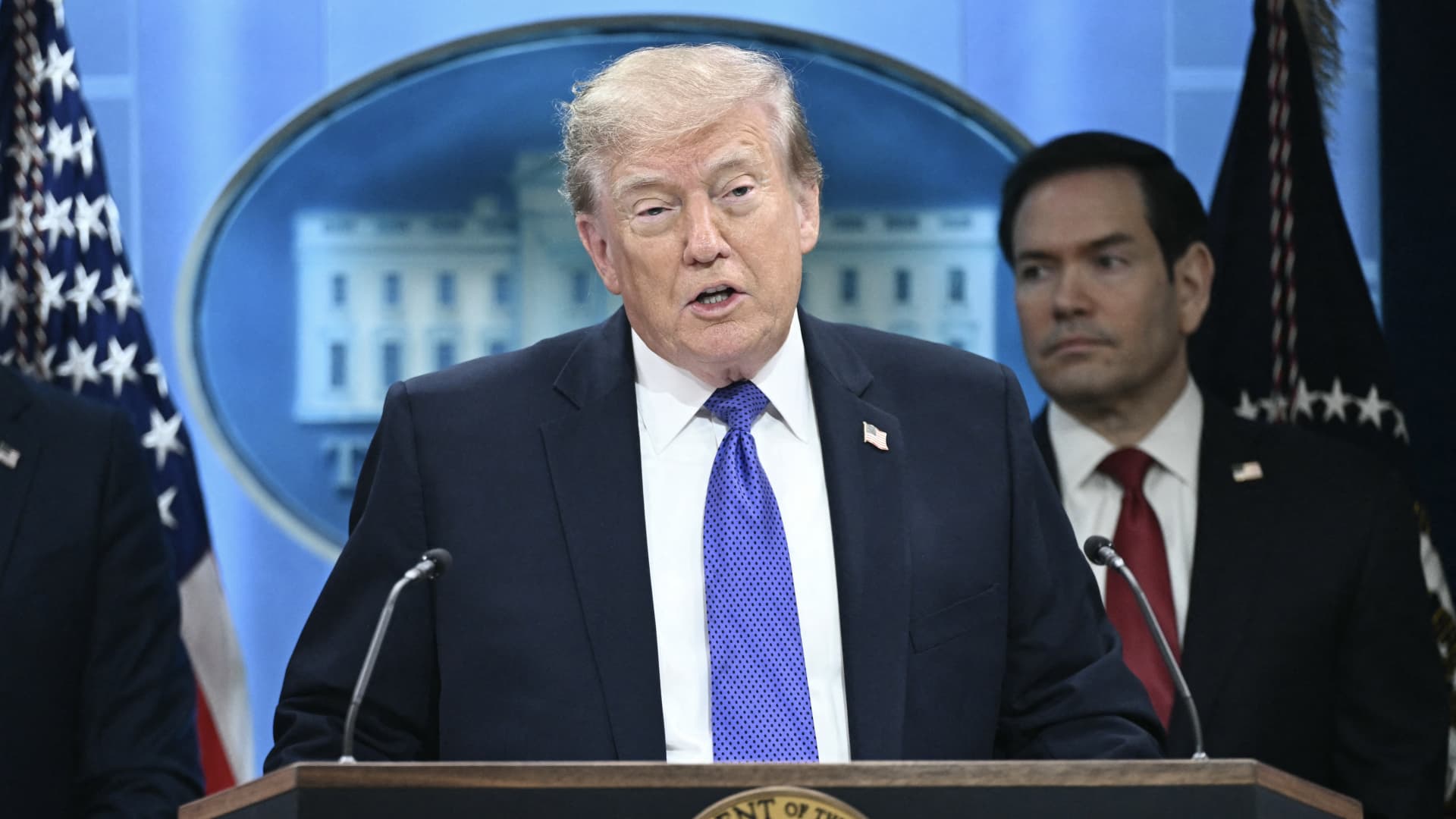
Speaking at the White House, Donald Trump pledged to stop American companies from constructing data centers abroad, threatening a tremendous tax on foreign…
According to a report by CNBC, Donald Trump has pledged to block American corporations from constructing data centers overseas, warning that firms pursuing foreign facilities would face what he termed a tremendous tax. Speaking from the White House, Trump addressed corporate infrastructure investments following a trilateral summit in China with Chinese President Xi Jinping and Russian President Vladimir Putin. The remarks mark a renewed focus on keeping strategic digital assets within domestic borders.
The remarks came on the heels of the high-profile diplomatic gathering abroad, where discussions touched on broader global relations. Upon returning to Washington, Trump framed the preservation of domestic computing capacity as a direct matter of economic policy and national interest. Details regarding specific legislative mechanisms or executive authorities intended to enact the threatened levies were not immediately detailed in initial reporting by CNBC.
Data centers have emerged as the foundational backbone for modern technology, supporting cloud services, artificial intelligence workloads, and enterprise digital operations. Over recent years, major technology firms have increasingly expanded their physical computing footprints internationally to minimize latency, access varied energy grids, and comply with localized data residency mandates. Trump’s proposal directly targets that cross-border trajectory by signaling punitive financial measures against foreign development.
The administration's stance reflects an ongoing effort to compel multinational corporations to concentrate capital investments, hardware, and engineering operations inside the United States. Advocates of keeping digital infrastructure domestic argue that local facilities enhance supply chain resilience and retain high-value technological ecosystems at home. Conversely, industry observers frequently point out that global expansion often responds to overseas client demand and the localized availability of power and cooling resources.
The threat of a substantial tax introduces potential friction for technology enterprises planning long-term capital expenditures across international jurisdictions. Imposing specialized tariffs or tax penalties on foreign physical infrastructure would represent a significant shift in corporate taxation and trade governance. Corporate tax specialists and policy analysts have previously noted that novel tax structures targeting specific asset classes typically face rigorous legal review and procedural scrutiny before implementation.
The geopolitical backdrop of Trump's comments, following his engagements with leaders in Beijing and Moscow, underscores the growing link between foreign diplomacy and technological competition. Global powers increasingly treat advanced digital facilities and computational power as strategic sovereign assets rather than routine commercial ventures. Trump’s stated objective suggests an intent to limit the dispersion of advanced American computational power into foreign markets.
Technology executives and corporate leadership have yet to see formal guidance detailing how such taxes would be calculated or enforced against overseas subsidiaries. Many multinational firms operate through global partnerships and localized cloud regions designed to serve customers worldwide. Until concrete policy frameworks or formal proposals emerge from the administration, businesses remain uncertain about the exact scope of activities that could trigger financial penalties.
Looking ahead, the feasibility of curbing foreign data center construction will depend on whether the administration pursues direct executive actions or seeks broader congressional tax legislation. Industry trade groups, corporate stakeholders, and trade partners are expected to monitor subsequent announcements closely as federal agencies clarify regulatory intentions. For now, the public warning establishes a clear policy intent by the White House to challenge cross-border corporate tech investments.
Primary source: CNBC Top News. Newzly rewrites and structures source reporting for clarity; verify critical details at the original.