Trump, Xi, and Putin Hold Historic Trilateral Summit in Shenzhen
U.S. President Donald Trump, Chinese President Xi Jinping, and Russian President Vladimir Putin met in Shenzhen for a rare trilateral summit, tackling five major global issues including the Iran conflict and Ukraine war.
In this piece
The leaders of the United States, China, and Russia held an unprecedented trilateral meeting during the APEC summit in Shenzhen. Marking the first such joint…
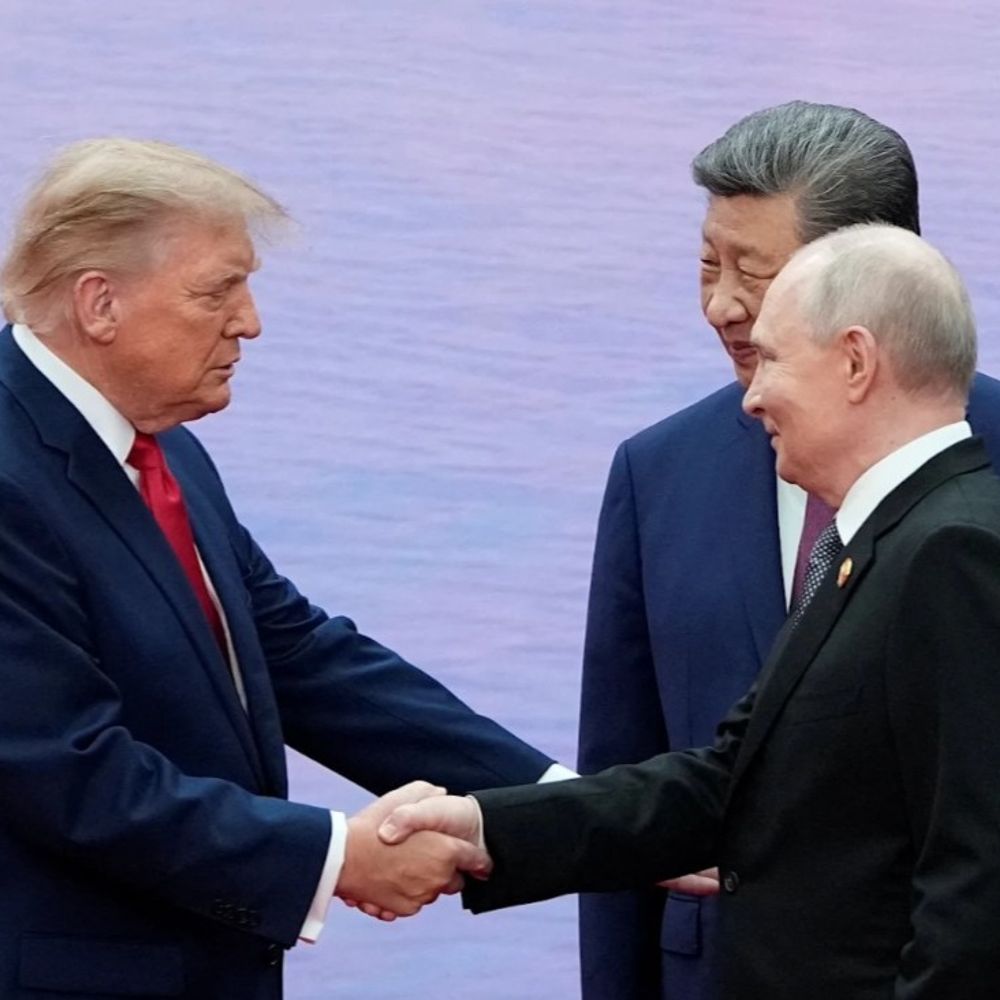
U.S. President Donald Trump, Chinese President Xi Jinping, and Russian President Vladimir Putin convened for a historic trilateral meeting on the sidelines of the Asia-Pacific Economic Cooperation summit in Shenzhen, China. The summit marked an extraordinary diplomatic milestone, bringing together the leaders of the world's three preeminent military and economic superpowers around a single table for the first time in roughly eighty years.
The high-stakes dialogue took place at the secluded Kylin Villa complex within Shenzhen, China's prominent southern technology hub. The meeting occurred against a backdrop of complex global alignments, positioning the direct talks as a significant moment of multilateral engagement among Washington, Beijing, and Moscow.
According to summit proceedings, the three leaders focused their discussions on five pivotal international matters, with the escalating crisis in the Middle East and the conflict surrounding Iran positioned prominently on the agenda. The talks also addressed the protracted war in Ukraine, with participants examining potential pathways toward strategic de-escalation and regional stabilization.
Beyond immediate territorial wars, the agenda incorporated long-term strategic threats confronting all three nations. Leaders reviewed pressing issues surrounding international nuclear arms control treaties, the stability of global trade and supply chains, and the rapidly accelerating risks associated with weaponized artificial intelligence.
A direct trilateral meeting among the heads of state of the United States, Russia, and China has not occurred since the landmark Allied summits of 1945. Throughout the Cold War and subsequent decades, interaction between the three capitals remained confined to bilateral dialogues or crowded multilateral forums, making this joint trilateral format a notable structural shift in international diplomacy.
Analysts noted that the summit carries immense weight given the deeply strained relations that have characterized the global geopolitical landscape. While Washington and Beijing continue to navigate fierce economic rivalries and technological competition, relations between the United States and Russia have faced severe disruption over ongoing conflicts and comprehensive sanctions.
By serving as the host nation in Shenzhen, China sought to emphasize its growing diplomatic influence and capacity to convene rival leaders at a single venue. Chinese officials coordinated tight security protocols and managed media access around Kylin Villa, highlighting the sensitive nature of the closed-door deliberations.
Initial assessments following the talks suggested a cordial tone despite entrenched strategic disagreements among the participants. President Trump signaled positive sentiment regarding the exchange, noting that direct engagement among the three superpowers creates vital opportunities to reduce friction and foster constructive diplomatic solutions.
The eventual significance of the Shenzhen summit will hinge on whether diplomatic working groups can convert broad commitments into actionable agreements in the coming months. Foreign ministries and defense establishments worldwide are watching closely to see if this trilateral channel will establish ongoing communication mechanisms or remain a symbolic diplomatic overture.
Primary source: Divya Bhaskar International. Newzly rewrites and structures source reporting for clarity; verify critical details at the original.