Twelve Major Hindu Festivals and Fasts Scheduled Through Dec. 23
A multi-week schedule of twelve prominent Hindu fasts and festivals, including Gita Jayanti, Vivah Panchami, and Utpanna Ekadashi, is set to guide religious observances across India through December 23.
In this piece
Devotees across India are observing a series of twelve significant Hindu fasts and festivals running through December 23. The lineup features major occasions…
A major cycle of Hindu religious observances is set to unfold across India through December 23, featuring twelve key fasts and devotional festivals. According to devotional calendars compiled by regional publications including Divya Bhaskar, the schedule includes prominent holy days such as Utpanna Ekadashi, Vivah Panchami, and Gita Jayanti. The sequence offers devotees a continuous period of spiritual reflection and ritual activities as the year approaches its end.
The festive schedule corresponds primarily with the sacred lunar month of Margashirsha, often considered one of the most auspicious periods in the Hindu calendar. Dedicated largely to Lord Vishnu and Lord Krishna, this month is traditionally associated with intensified worship, scriptural reading, and charitable giving. Across northern and western regions, households and temple communities observe specialized austerities and daily prayers to mark the month's spiritual sanctity.
Among the earliest major observances in this sequence is Utpanna Ekadashi, which signifies the symbolic birth or emergence of the Ekadashi fast. Traditional religious accounts hold that on this day, the protective feminine energy of Lord Vishnu manifested to defeat demonic influences, establishing the sanctity of eleventh-lunar-day fasts. Devotees who wish to begin observing the bi-monthly Ekadashi fast traditionally choose this day to take their initial vows.
The calendar also highlights Vivah Panchami, an auspicious festival observed on the fifth day of the waxing moon fortnight. The day commemorates the celestial wedding of Lord Rama and Goddess Sita as described in the epic Ramayana. Temples in cultural hubs and local shrines mark the day with ceremonial wedding re-enactments, kirtan performances, and special prayers seeking familial peace and marital harmony.
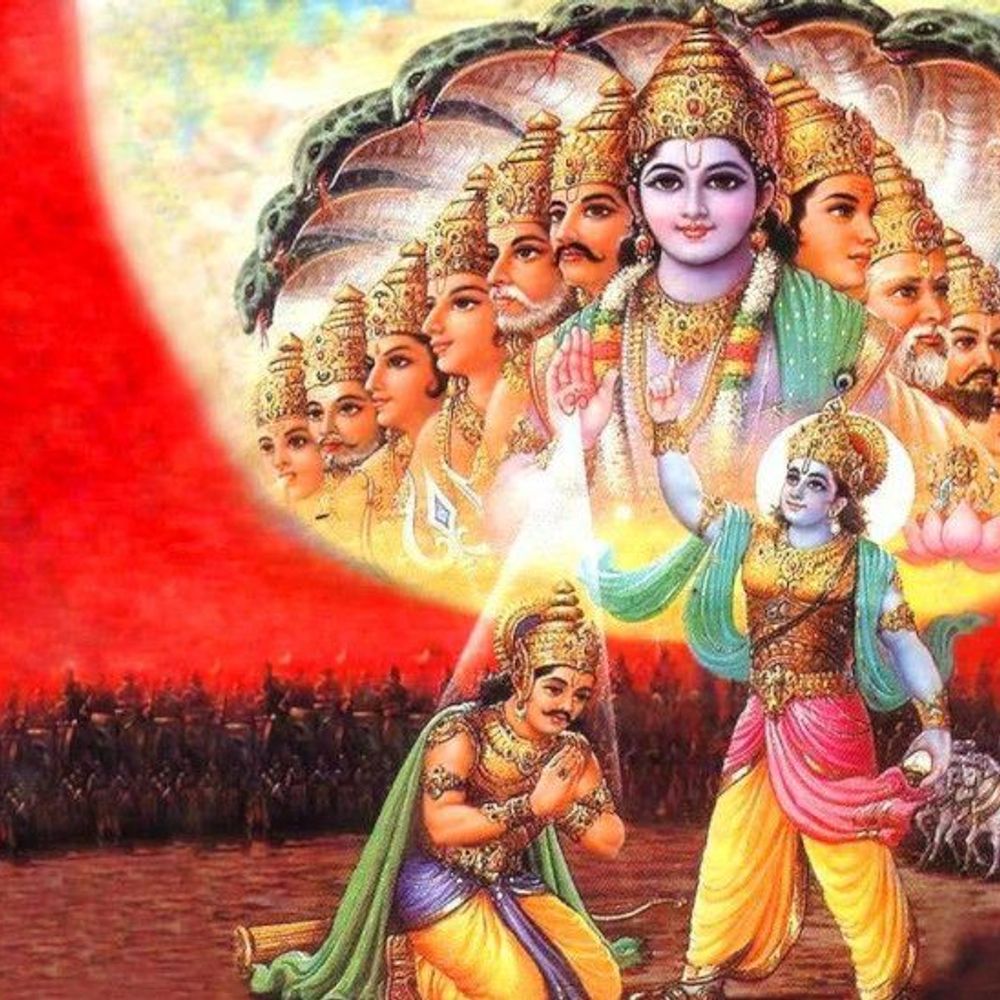
Another major milestone during this window is Gita Jayanti, which coincides with the observance of Mokshada Ekadashi. Celebrated as the anniversary of the dialogue between Lord Krishna and Arjuna on the battlefield of Kurukshetra, the day centers on the teachings of the Bhagavad Gita. Cultural institutions and spiritual centers organize continuous recitations of all eighteen chapters, encouraging philosophical discussions and the distribution of spiritual texts.
Alongside these signature festivals, the liturgical calendar incorporates several intermittent fasting days, including Sankashti Chaturthi dedicated to Lord Ganesha and regular Pradosh Vrats dedicated to Lord Shiva. These observances require day-long dietary discipline, evening meditation, and standard ritual offerings of water, flowers, and incense. Devotees often visit neighborhood temples during twilight hours to conclude the fast with communal aarti prayers.
Prescribed puja rituals across these twelve observances highlight specific cleansing practices, prayer mantras, and traditional fasting protocols. Observers are generally advised to take ritual morning baths, light ghee lamps before home deities, and observe dietary guidelines strictly. Most fasting rules stipulate abstinence from grains, lentils, and common salt, with meals restricted to designated fasting foods such as buckwheat, fruits, and dairy.
Beyond individual domestic rituals, the concentrated festive period generates substantial social and commercial vitality within religious goods sectors. Local bazaars witness a steady rise in the demand for puja materials, ritual offerings, brass lamps, and seasonal produce. Religious organizations also mobilize community service projects, organizing free meals and food distribution drives to align with the season's emphasis on daan, or charitable giving.
As the schedule of holy days extends toward December 23, religious scholars emphasize the importance of tracking local astronomical timings for accurate ritual performance. Because lunar tithis vary by geographical coordinates, devotees are encouraged to consult local panchang calculations to determine the precise hours for sunrise, fasting commencement, and ritual conclusion. Temple trusts across the country have begun finalizing program schedules to accommodate congregational gatherings in the coming weeks.
Primary source: Divya Bhaskar Dharm Darshan. Newzly rewrites and structures source reporting for clarity; verify critical details at the original.