Two Decades Later, The Sopranos PS2 Game Offers a Glimpse Into the Evolution Leading to GTA 6
Two decades after the release of The Sopranos: Road to Respect on the PlayStation 2, gaming retrospectives are examining how mid-2000s licensed crime adaptations paved the way for modern cinematic juggernauts like Grand Theft Auto 6.
In this piece
A retrospective look at the 2006 video game The Sopranos: Road to Respect highlights the evolution of open-world crime gaming over the past two decades. While…
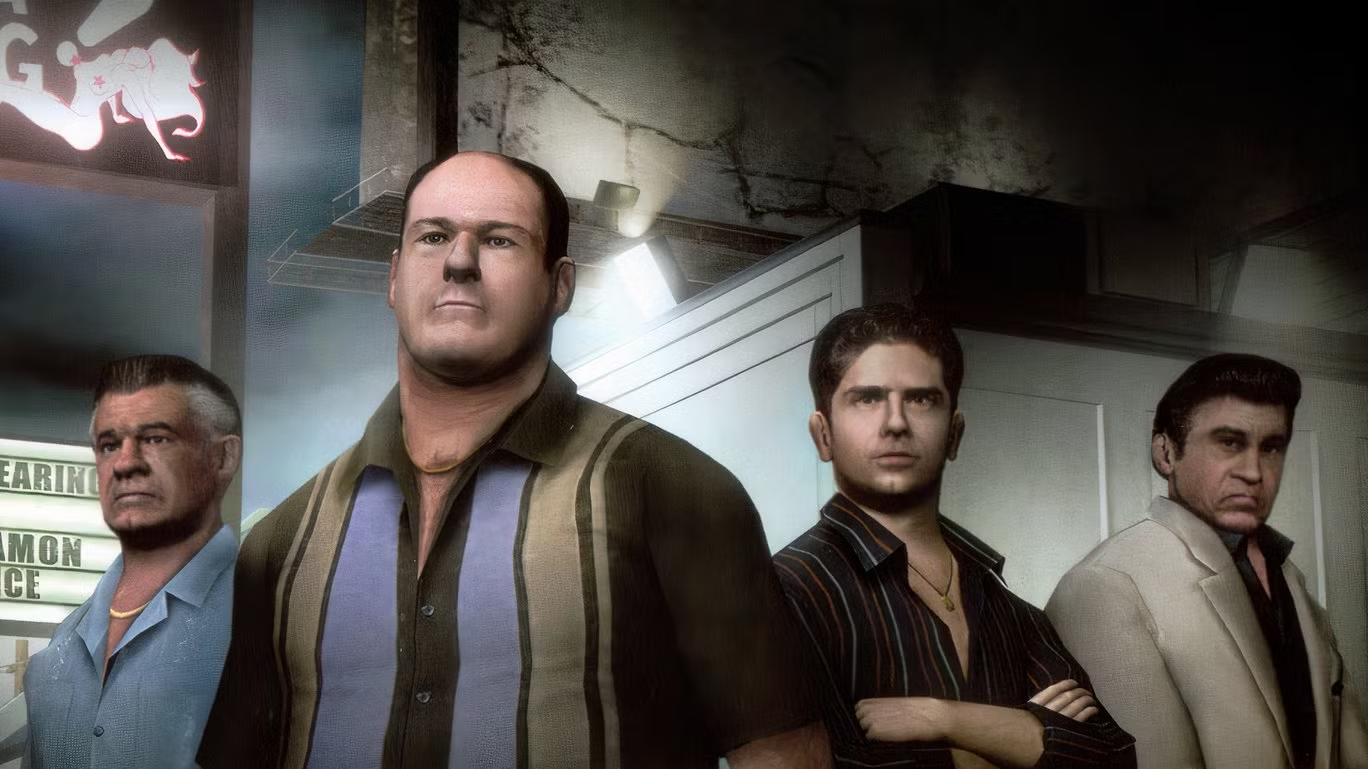
Two decades after its debut on the PlayStation 2, the licensed crime adaptation The Sopranos: Road to Respect is re-entering contemporary gaming discourse. A retrospective examination published by Polygon reflects on the title's anniversary, playfully noting that while Rockstar Games' upcoming Grand Theft Auto 6 would likely exist independently of the project, the contrast between the two releases illuminates decades of genre development. The analysis brings renewed attention to how prestige television once attempted to translate complex mafia narratives into interactive console experiences.
Released during the peak cultural prominence of the HBO flagship series, Road to Respect placed players into the criminal underworld of New Jersey with narrative ambitions tied directly to the television property. Rather than delivering a wide-open urban simulation, the game opted for a focused, story-heavy brawler structure that restricted player agency compared to the burgeoning sandbox titles of that hardware generation. The divergence in mechanical philosophy became a defining characteristic of mid-2000s licensed productions facing mounting technical constraints.
At the time of its mid-2000s launch, the gaming landscape was undergoing rapid transformation driven by the monumental rise of early three-dimensional crime titles. Industry developers frequently attempted to capture the cinematic gravitas of organized crime sagas, yet licensed games often struggled with short development cycles and strict creative boundaries. Road to Respect became emblematic of an era where major entertainment intellectual properties sought console shelf presence without the mechanical depth needed to achieve enduring critical acclaim.
The comparison between Road to Respect and Grand Theft Auto 6 underscores how dramatically player expectations and production scales have shifted across successive console generations. Modern crime epics demand vast open environments, sophisticated artificial intelligence, and thousands of bespoke animations to maintain immersive realism. Looking back at early licensed attempts highlights the steep technological hurdles developers faced when attempting to render grounded, character-driven mob dramas within limited memory architectures.
Despite its commercial and critical shortcomings, the game remains a fascinating historical artifact of the transition between linear licensed tie-ins and expansive open-world design. Polygon's retrospective underscores how early experiments in licensed interactive fiction navigated the tension between narrative fidelity and emergent gameplay mechanics. The historical missteps of that era offered quiet lessons for the broader industry, showing that authentic worldbuilding requires substantial structural freedom rather than rigid cinematic corridors.
The cultural resonance of the television series itself has endured, fostering a nostalgic curiosity around its few digital spin-offs among enthusiasts and preservationists. While the game did not achieve the commercial staying power of its peers, it captured a unique moment when television networks believed every major cultural phenomenon required a dedicated home console adaptation. That philosophy has since evolved into mobile releases, transmedia partnerships, and guest appearances across live-service platforms.
In contrast, the Grand Theft Auto franchise evolved along a divergent trajectory, steadily perfecting the very sandbox mechanics that licensed titles once avoided due to budgetary or technical scope. The progression from sixth-generation console simulations to the photorealistic ambition expected in Grand Theft Auto 6 represents a multi-decade journey of expanding world scale and interactive detail. Analysts frequently cite this divergence as the primary reason open-world sandbox games came to dominate mainstream commercial attention.
As the video game industry prepares for the arrival of Grand Theft Auto 6, anniversary reflections like Polygon's provide vital perspective on the medium's creative trajectory. Retrospective analyses continue to offer historical clarity, reminding audiences how early design limitations ultimately shaped the boundless open-world experiences players enjoy today. The memory of Road to Respect endures not as a direct technological progenitor, but as a memorable milestone in gaming's ongoing quest to master interactive storytelling.
Primary source: Polygon. Newzly rewrites and structures source reporting for clarity; verify critical details at the original.