Two people with reported Pakistan links arrested in Punjab over Rajasthan train-track blast
NDTV reported that two people described as having Pakistan links were arrested in Punjab in connection with a blast on a train track in Rajasthan. The available report did not name the suspects or give further case details.
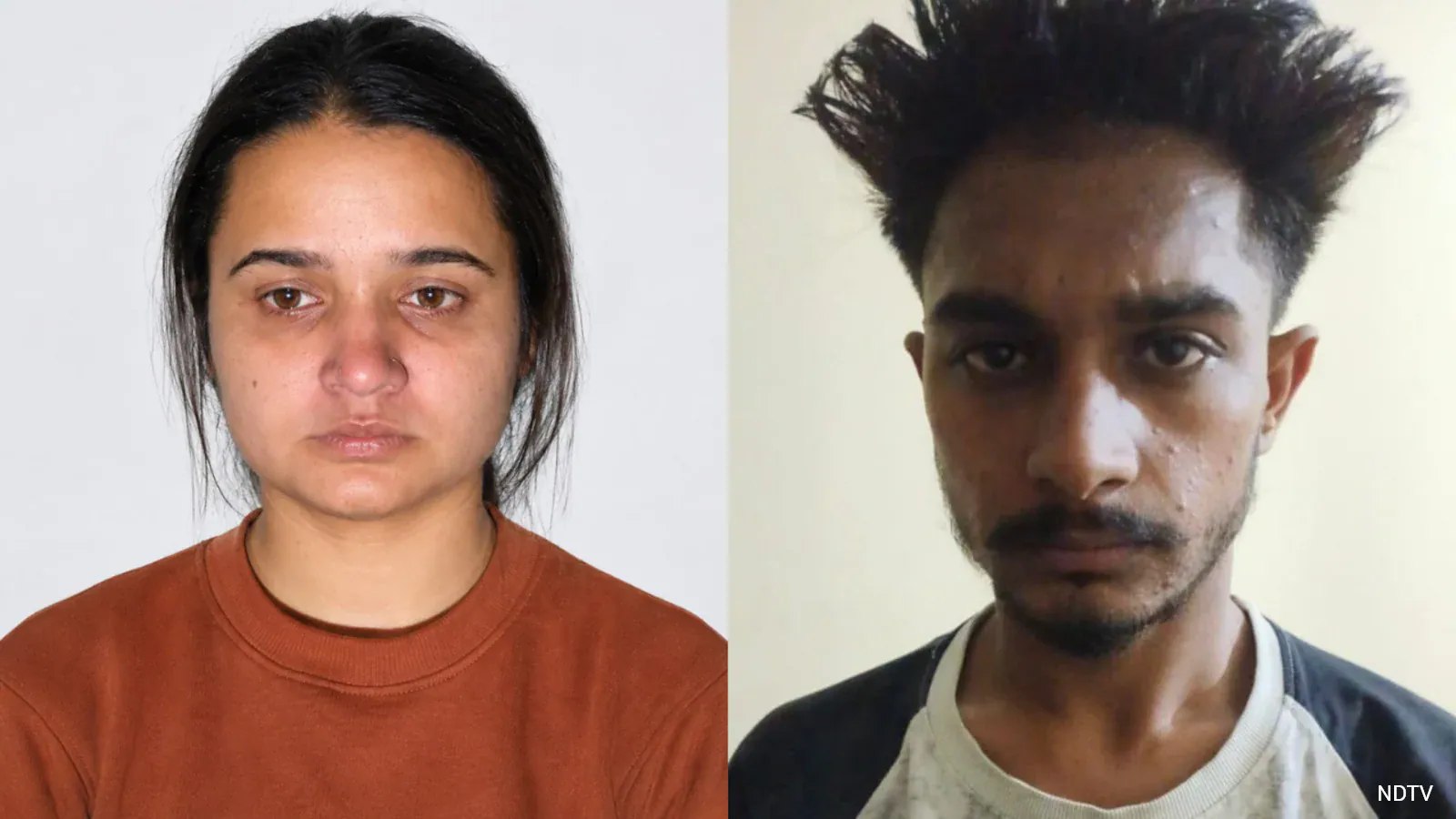
In this piece
Two people described as having links to Pakistan have been arrested in Punjab in connection with a train-track blast in Rajasthan, according to an NDTV report…
Two people described as having links to Pakistan were arrested in Punjab in connection with a blast on a train track in Rajasthan, NDTV reported. The account, distributed through Google News under a Punjab news heading, was limited to that headline-level information.
The report did not name the two people, say where in Punjab they were held, or identify the police unit or other agency that made the arrests. It also did not state when the blast occurred, where along the track in Rajasthan it took place, or whether anyone was injured.
No charges, court appearances, or official statements were included in the item available from that feed. References to Pakistan links come from the wording of the NDTV headline. The short report did not explain what those links were said to consist of, or how investigators reached that description.
The case, as publicly summarized, joins two Indian states: the arrests are reported in Punjab, while the blast is reported on a railway track in Rajasthan. No district, city, or railway section was named, so the precise local jurisdictions involved were not clear from the source.
Train-track blasts are treated as serious security incidents in India because rail lines carry large numbers of passengers and freight and because damage to track can disrupt movement across a wide network. A reported blast does not, by itself, establish who placed a device, what it was made of, or whether a particular arrest will be sustained in court. Those questions depend on evidence that was not set out in this report.
Cross-border allegations in cases of this kind draw particular official and public attention because they can widen an inquiry beyond the state where an incident occurred. Here, the only published claim on that point is the headline’s description of the two people as having Pakistan links. Independent detail supporting or qualifying that description was not included.
Rail and police agencies in India routinely examine blast scenes for remnants, review station and trackside records, and trace phone, travel, and financial links when suspects are detained. None of those steps was described for this case. It is not known from the source whether forensic results, witness accounts, or recovered material have been cited by investigators.
Punjab and Rajasthan are neighboring states in northern and northwestern India, and rail corridors connect both to the wider network. That geography explains why an arrest in one state can be tied, in a police account, to damage reported in another. It does not identify a route, a train, or a border crossing in this incident. No such specifics appeared in the report.
Because the public item is thin, several basic facts remain unconfirmed in this account: the condition of the track after the blast, whether train services were halted or diverted, and whether more people are being sought. Readers should treat the absence of those details as a limit of the available report.
What happens next will depend on material that has not yet been set out in this source. If the arrests lead to a formal case, investigators would be expected to place allegations, including any claim of foreign links, before a court, where the two people can answer them. NDTV’s report, as carried in the feed, did not say whether that stage had been reached or what officials planned to disclose.
Primary source: Google News Punjab. Newzly rewrites and structures source reporting for clarity; verify critical details at the original.