U.S. Measles Deaths Reach 14 as National Infections Approach 6,000
A string of back-to-back fatalities has pushed the U.S. measles death toll to 14, while national infections approach 6,000, underscoring growing public health alarms over preventable viral transmission across the country.
In this piece
The United States has recorded 14 measles fatalities following a series of consecutive deaths, according to reports from Ars Technica. With nationwide cases…
Consecutive fatalities from measles have elevated the nationwide death toll in the United States to 14, marking an alarming threshold in the ongoing resurgence of the preventable disease. According to coverage from Ars Technica, the latest fatalities reflect a disturbing pattern of back-to-back losses as total confirmed cases approach 6,000 across the country. The rapid pace of recent fatalities highlights the compounding danger as community transmission accelerates nationwide.
The approach toward the 6,000-case threshold represents one of the largest sustained escalations in measles transmission documented in recent American history. While federal health agencies have historically documented only sporadic, isolated clusters tied to international travel, the current surge reflects deeper vulnerabilities in domestic immunity. The sheer volume of reported infections has substantially increased the statistical likelihood of severe complications and fatal outcomes.
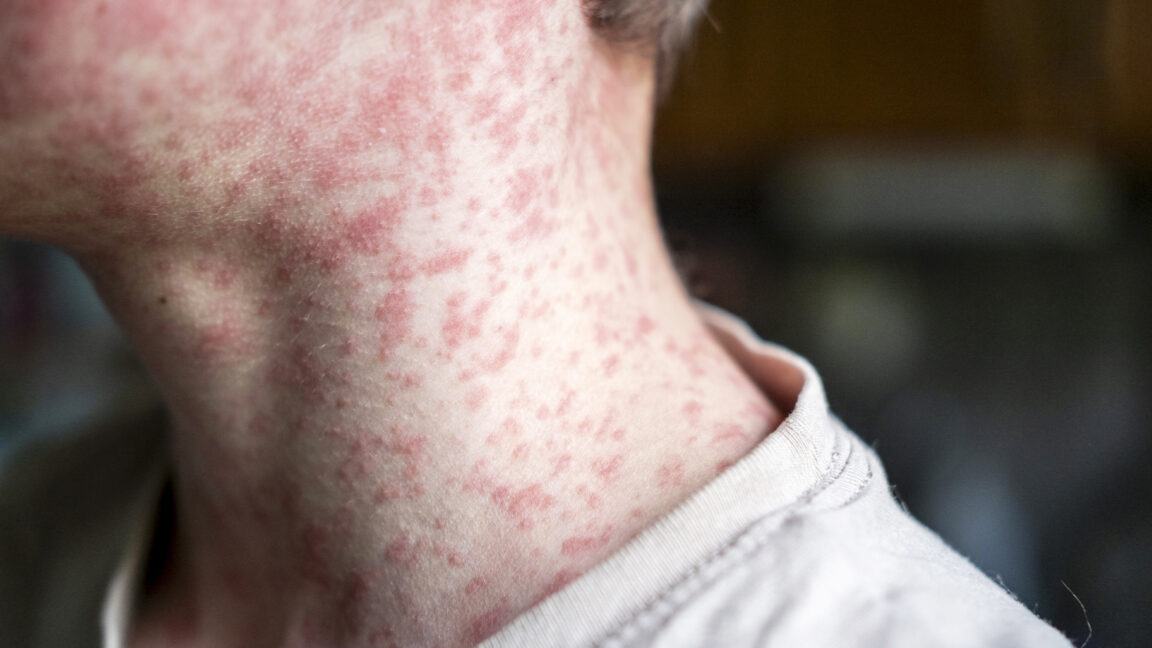
Measles is among the most contagious infectious pathogens known to medical science, capable of lingering in the air for up to two hours after an infected individual leaves a room. While often perceived primarily as a childhood rash, the virus attacks the respiratory tract and immune system, frequently leading to pneumonia, encephalitis, and hospitalization. For high-risk individuals, including infants too young for vaccination and immunocompromised individuals, exposure carries elevated risks of grave or fatal complications.
Epidemiologists have long emphasized that preventing widespread measles outbreaks requires maintaining community vaccination thresholds of roughly 95 percent. When immunization coverage slips below that level, the protective buffer known as herd immunity begins to erode, permitting the virus to establish chains of transmission within vulnerable networks. In recent years, declining routine childhood vaccination rates and growing vaccine skepticism have created wider pockets of non-immune populations.
The rise in cases nearing the 6,000 mark places severe operational demands on local and regional health departments. Disease surveillance, contact tracing, and administering post-exposure prophylaxis require intensive public health resources that are often strained during large-scale outbreaks. Hospital infection control units must also implement rigorous isolation protocols to prevent the virus from spreading inside clinical facilities to other vulnerable patients.
Specific demographic details surrounding the latest fatalities, including patient ages, locations, and underlying medical conditions, were not immediately detailed in initial reporting. However, public health specialists note that deaths from measles overwhelmingly occur in unimmunized individuals who suffer respiratory failure or neurological damage. As local investigations proceed, health agencies typically work to identify the specific exposure settings that enabled fatal infections.
The persistence of back-to-back fatalities challenges previous assumptions regarding the rarity of severe measles outcomes in well-resourced health systems. Beyond acute illness, measles infection can cause long-term immune amnesia, wiping out previously acquired antibodies to other pathogens and leaving survivors susceptible to secondary infections for months. The broader societal impact includes school exclusions, quarantine measures, and growing economic costs associated with outbreak containment.
The continuous transmission and mounting casualty count have also intensified scrutiny over national infectious disease management. Prolonged, uninterrupted spread over twelve months can jeopardize a country's internationally recognized measles elimination status, a benchmark the United States achieved in 2000. Maintaining that status relies entirely on rapid containment and high population-level immunization rates, both of which are tested by ongoing outbreaks.
Moving forward, public health officials are expected to intensify outreach campaigns aimed at raising immunization rates in communities experiencing active spread. Pediatricians and clinical providers continue to urge parents to ensure children receive the recommended two-dose measles, mumps, and rubella vaccine regimen on schedule. Whether the national trajectory stabilizes will depend heavily on the speed of containment efforts and public adherence to preventive immunization.
Primary source: Ars Technica. Newzly rewrites and structures source reporting for clarity; verify critical details at the original.