UK ‘dangerously’ reliant on China for critical minerals, MPs warn
A parliamentary investigation warns that dependence on China threatens supplies needed for defence, renewable energy and AI, prompting calls for coordinated policy and a dedicated minerals financing facility.
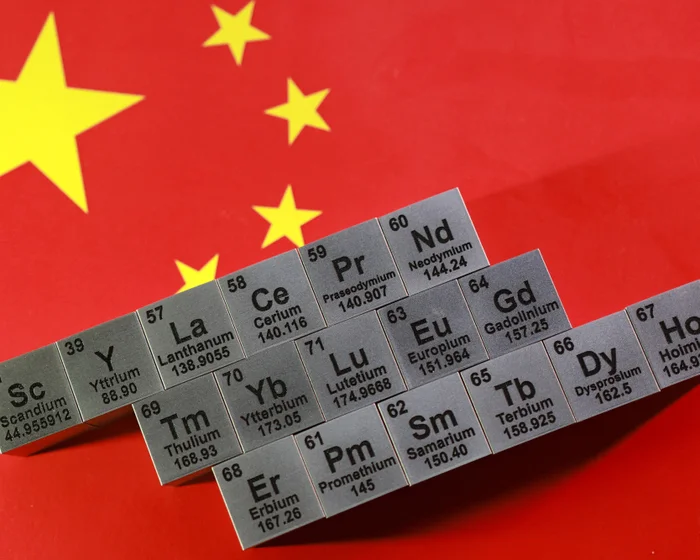
The UK is “dangerously” dependent on China for critical raw materials needed for defence, renewable energy infrastructure and artificial intelligence, a parliamentary investigation has found. MPs on the business select committee called for urgent action to diversify supplies, warning that the country’s ability to deliver net zero is also at risk.
The committee wants a centralised policy alongside a proposed “critical minerals finance facility”, according to The Guardian’s report on the findings. The facility would help finance rare earth and other critical mineral mines, using grants, equity and debt to accelerate diversification.
The warning brings together several areas of national policy that depend on access to these materials. Rather than presenting mineral supplies solely as an industrial concern, the investigation identifies dependence on China as a problem with implications for military capabilities, energy infrastructure and AI.
For defence, the central issue raised is access to the raw materials needed by the military. The supplied account does not identify particular weapons systems or minerals, or describe an existing interruption to supplies. Its warning concerns the risks associated with dependence, rather than a reported shortage affecting a named programme.
Renewable energy infrastructure is another area highlighted by the committee, linking mineral supply security to the UK’s net-zero ambitions. The MPs’ findings suggest that securing materials must be considered alongside the deployment of that infrastructure, rather than treated as a separate supply-chain question.
The inclusion of AI extends the concern beyond defence and the energy transition. However, the available account does not specify which materials or parts of AI infrastructure are most exposed. It therefore provides no basis for ranking the relative risks across the three sectors identified.
The proposed finance facility is the committee’s clearest practical recommendation in the supplied report. By calling for grants, equity and debt, MPs envisage several forms of financial support for mining projects, rather than relying on a single funding mechanism to help broaden supply options.
That financing proposal sits alongside the demand for a centralised policy. Together, the recommendations frame diversification as a task requiring both coordination and investment: a policy to guide the effort and financial tools to help support the mines intended to contribute to it.
The supplied account does not give a proposed budget for the facility, identify potential mining projects or set out a timetable for reducing dependence on China. It also does not quantify the UK’s reliance. Those omissions leave the scale, cost and likely pace of the proposed programme unresolved.
The next question is whether the committee’s recommendations will translate into government policy and funding commitments. No government response or implementation decision is included in the supplied report. For now, the MPs’ message is that diversifying critical mineral supplies requires urgent, coordinated attention across defence, energy and technology policy.
Primary source: The Guardian Business. Newzly rewrites and structures source reporting for clarity; verify critical details at the original.