UK inflation rises to 3.6% as higher fuel prices add pressure
UK inflation reached its highest level in a year as petrol and diesel prices rose, even as food price inflation eased to its lowest level in nearly five years.
In this piece
UK inflation edged up to 3.6%, driven by higher petrol and diesel prices, with diesel costs reaching a record high, according to The Guardian. Food price…
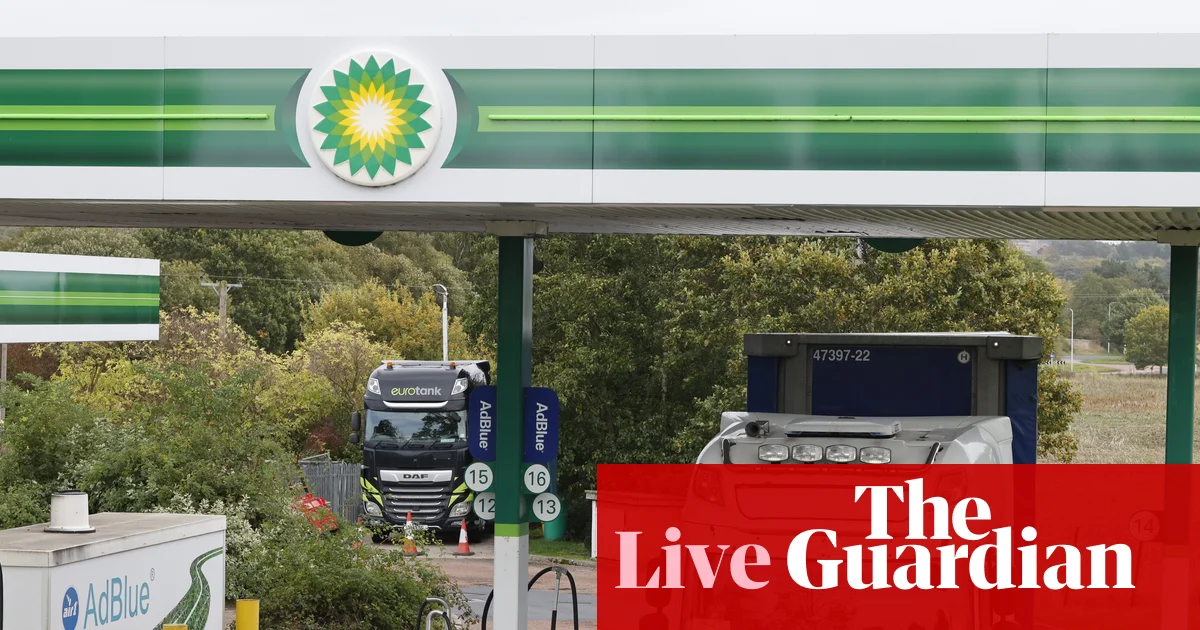
UK inflation edged up to 3.6%, its highest level in a year, as rising petrol and diesel prices increased pressure on household costs, according to The Guardian’s business live report. Diesel prices reached a record high, underscoring the role of fuel in the latest increase in the overall inflation rate.
Food prices offered a contrasting signal, with food price inflation falling to its lowest level in nearly five years as chocolate and butter prices declined. The divergence shows that easing pressure in some supermarket categories was not enough to prevent inflation from rising across the broader basket of goods and services.
The report linked the recent rise in energy prices and inflation to the conflict in the Middle East. That leaves the inflation outlook exposed to energy costs, even as some food prices provide relief, and highlights why an improvement in one area of household spending does not necessarily translate into lower overall inflation.
Inflation is expected to rise further by the middle of next year because of cost pressures already in the pipeline, according to the monetary policy assessment carried in the report. That outlook suggests the latest increase may not mark the end of the pressure, although the supplied material does not give a forecast for how high inflation could climb.
The Bank of England’s Monetary Policy Committee raised Bank Rate two weeks earlier to limit the extent to which higher energy costs feed through into other prices. Its stated objective remains to return inflation to the 2% target and keep it there, placing the wider effects of the energy shock at the centre of its response.
For households, the figures point to an uneven picture rather than a broad easing in living costs. Lower chocolate and butter prices offer specific examples of relief, but the slowdown in food inflation should not be read as evidence that food prices generally are falling or that higher transport costs have been offset.
Separately, the live report highlighted a warning from the Climate Change Committee that weakening Britain’s electric car sales rules would probably lead to missed legally binding climate targets. Its analysis suggested that relaxing the policy would undermine the plan for reaching net zero carbon emissions by 2050, prompting concerns about the future of the country’s carbon budgets.
The inflation outlook now rests partly on how far energy-related pressures spread through the economy, with the monetary policy assessment signalling further increases ahead. The committee said it would continue setting interest rates to ensure inflation returns sustainably to target, while the climate advisers’ warning raises a separate question about the consequences of changing electric vehicle policy.
Primary source: The Guardian Business. Newzly rewrites and structures source reporting for clarity; verify critical details at the original.