US 401(k) Proposal Leaves Door Open for Altcoins, but Significant Hurdles Remain
A pending U.S. proposal would allow altcoins into workplace retirement plans, but legal liabilities, liquidity concerns, and strict fiduciary rules present steep hurdles for actual adoption, experts warn.
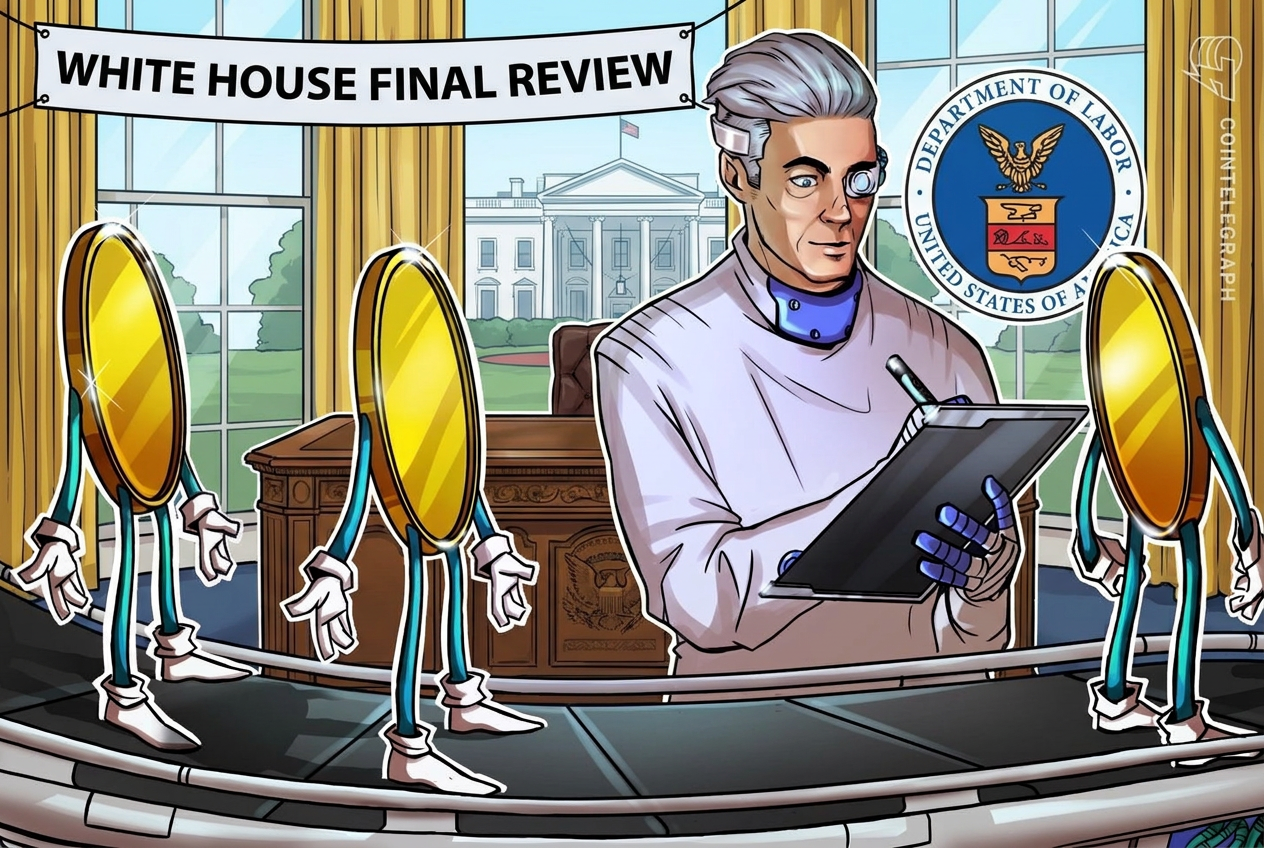
A new regulatory proposal concerning retirement accounts in the United States could allow altcoins and smaller digital assets into workplace 401(k) plans, though industry analysts warn that steep practical hurdles remain. While the draft framework does not explicitly bar non-major tokens, market observers emphasize that gaining actual inclusion on retirement plan menus will likely prove difficult. The development highlights an evolving debate over how digital asset choices should be integrated into long-term savings vehicles.
According to reporting from CoinTelegraph, the proposal does not exclude smaller cryptocurrencies from potential consideration by retirement platforms. However, financial and legal specialists caution that the absence of a direct ban does not guarantee widespread adoption by institutional providers. Significant friction points between digital asset volatility and conventional pension management remain unresolved.
In traditional workplace retirement arrangements, employers and plan sponsors operate under strict fiduciary obligations designed to protect participant savings. These responsibilities require administrators to evaluate investment risks, management fees, and the overall stability of offered funds before making them available to employees. Adding alternative digital tokens alongside conventional equities and bonds introduces complex compliance questions for company plan administrators.
While prominent cryptocurrencies have gradually attracted interest from select institutional platforms, smaller altcoins present distinct structural considerations. These secondary digital assets typically exhibit higher price volatility, thinner trading liquidity, and shorter track records than their larger peers. As a result, conservative investment committees are often reluctant to approve niche tokens that may suffer sudden and severe valuation swings.
Beyond general price swings, operational infrastructure poses another significant barrier for retirement plan administrators exploring alternative digital currencies. Plan recordkeepers and custody providers must maintain reliable systems to securely hold, price, and report participant balances on a daily basis. Many existing retirement platforms lack the turnkey technical integrations required to manage custody and reporting across hundreds of diverse token ecosystems.
Fee transparency and cost structures also play a critical role in employer retirement decisions under prevailing regulatory standards. Digital asset trading often involves specialized network fees, custodian expenses, and liquidity spreads that differ markedly from standard index funds. Plan sponsors face potential legal exposure if participating savers incur excessive administrative or execution expenses within their accounts.
Workplace retirement programs have traditionally prioritized capital preservation and steady compounding over speculative growth opportunities. Although younger savers and retail crypto enthusiasts have expressed interest in digital asset options, employers generally balance this demand against the legal risks of exposing retirement balances to major market downturns. Offering high-volatility alternative tokens could expose sponsors to participant complaints or litigation following broad market sell-offs.
The current environment surrounding digital assets in retirement planning remains defined by regulatory scrutiny and policy ambiguity. Financial regulators and oversight agencies have repeatedly emphasized the need for caution when introducing volatile investment products to retail retirement accounts. Industry observers note that without clear, affirmative guidance addressing smaller tokens specifically, institutional plan sponsors are unlikely to take aggressive steps forward.
For altcoins to secure a realistic foothold in 401(k) programs, industry analysts expect that custodial solutions, liquidity profiles, and regulatory clarity must mature substantially. For now, even if the door technically remains open in initial proposal language, actual implementation across mainstream employee benefit plans is expected to be gradual and cautious. Market participants will be watching for further administrative clarification and employer sentiment as the proposal moves through subsequent review stages.
Primary source: CoinTelegraph. Newzly rewrites and structures source reporting for clarity; verify critical details at the original.