US-Based Gujarati Couple Adopts Two Abandoned Children From Surat Shelter
A US-based Gujarati couple has adopted two young children who were found abandoned in Surat, completing official legal clearances to bring them to New York.
In this piece
Two children aged four and five, previously living at the Katargam Shishu Gruh in Surat after being found on the street, have been adopted by an Indian-American…
Two young children found abandoned on the streets of Surat are set to begin a new life in the United States after being legally adopted by an Indian-American couple. The minors, aged four and five, had previously been under institutional protection at the Katargam Shishu Gruh shelter home in the city. Their formal placement marks the culmination of a comprehensive inter-country adoption procedure coordinated by local authorities.
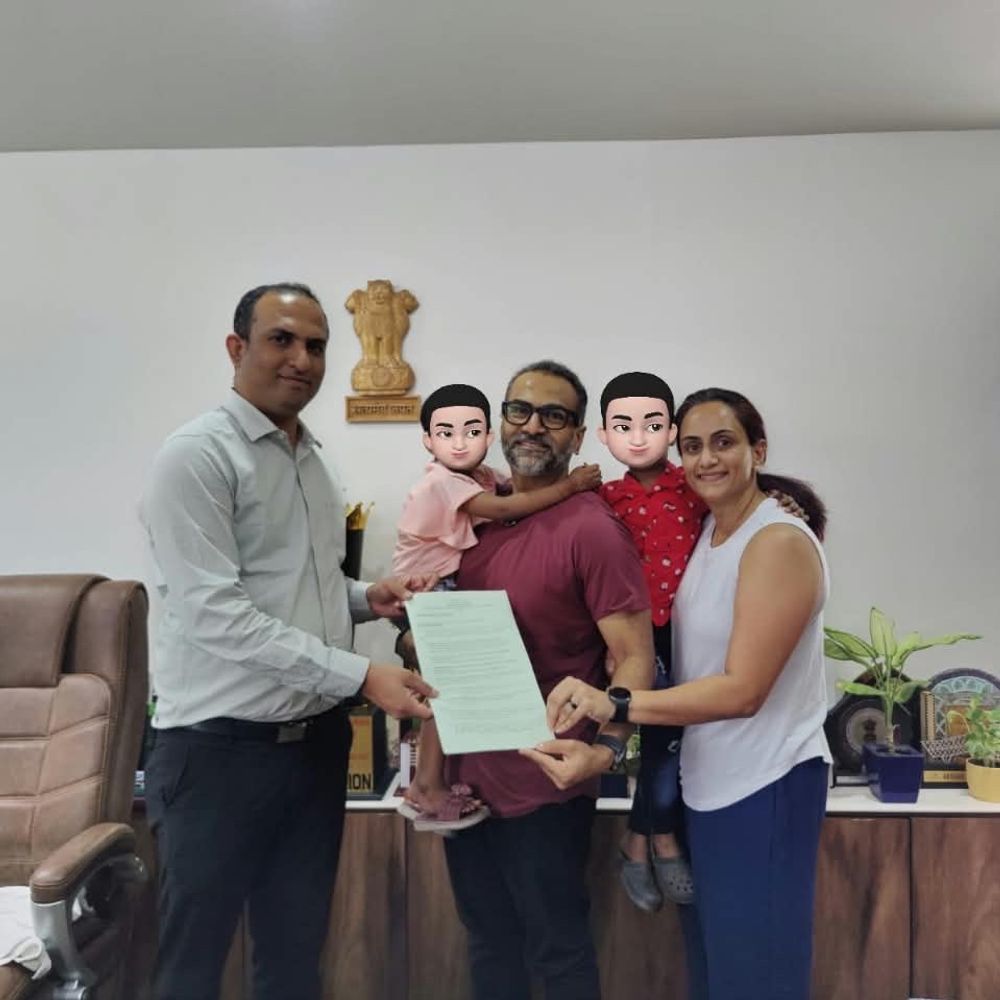
The handover ceremony was conducted in Surat in the presence of district administration representatives and child welfare officials. Authorities reviewed all statutory documentation before granting formal custody and handing over pre-adoption clearances to the adoptive parents. The emotional transition marked an important milestone for both the children and the welfare workers who oversaw their care.
The adoptive parents, an Indian-origin couple originally from Gujarat and currently established in New York, completed months of scrutiny under international adoption protocols. They underwent extensive home study evaluations, financial verifications, and background checks to meet the rigorous eligibility standards set by cross-border adoption authorities.
Prior to the adoption, the two children had been placed in the Katargam Shishu Gruh, an established shelter facility that cares for orphaned, abandoned, and surrendered children across Surat district. Welfare personnel and caregivers at the home provided basic medical attention, educational activities, and daily support while legal efforts to trace biological relatives or secure an adoptive home proceeded.
Inter-country adoptions in India operate under the legal oversight of the Central Adoption Resource Authority alongside specialized child protection units at the district level. The system is designed to ensure transparency and prioritize the fundamental welfare of the child through judicial and administrative clearance. Rigorous safeguards are maintained at every stage to prevent child trafficking and unauthorized placements.
Child welfare advocates emphasize that institutional shelters, while critical during immediate crises, are designed to serve as transitional safety nets rather than long-term environments. Reintegrating vulnerable children into permanent, supportive family structures is widely recognized as the most effective path toward emotional development and personal stability. The transition from public shelter care to a stable family reflects the core objective of modern child protection frameworks.
Adoptions by members of the non-resident Indian community frequently offer an additional layer of cultural and social continuity for young children moving abroad. Community observers note that many families within the diaspora maintain strong cultural connections to their home states and seek to adopt through established legal channels in India. This dynamic helps children acclimate to life overseas while retaining ties to their heritage and linguistic roots.
Surat administrative officials used the occasion to reiterate the critical importance of adhering strictly to institutional adoption mechanisms. They warned members of the public against engaging in private, informal, or unregistered custody arrangements, which lack legal validity and can expose children to risk. Authorities emphasized that following established statutory procedures ensures that the rights of both children and parents remain legally protected.
The family is currently completing remaining travel documentation and consular formalities before departing for New York. Following their relocation, post-placement monitoring will continue through designated social welfare bodies in the United States in coordination with Indian authorities. These regular follow-up reports will track the children's health, education, and social adjustment as they settle into their new home.
Primary source: Divya Bhaskar NRG. Newzly rewrites and structures source reporting for clarity; verify critical details at the original.