US-Based Gujarati Couple Adopts Two Children Rescued from Streets in Surat
A Gujarati couple residing in the United States has adopted two young children from a child care facility in Surat, Gujarat, concluding an extensive legal process under national adoption guidelines.
In this piece
Two young children sheltered at a specialized adoption home in Surat, Gujarat, are set to begin a new life in the United States after being adopted by a…
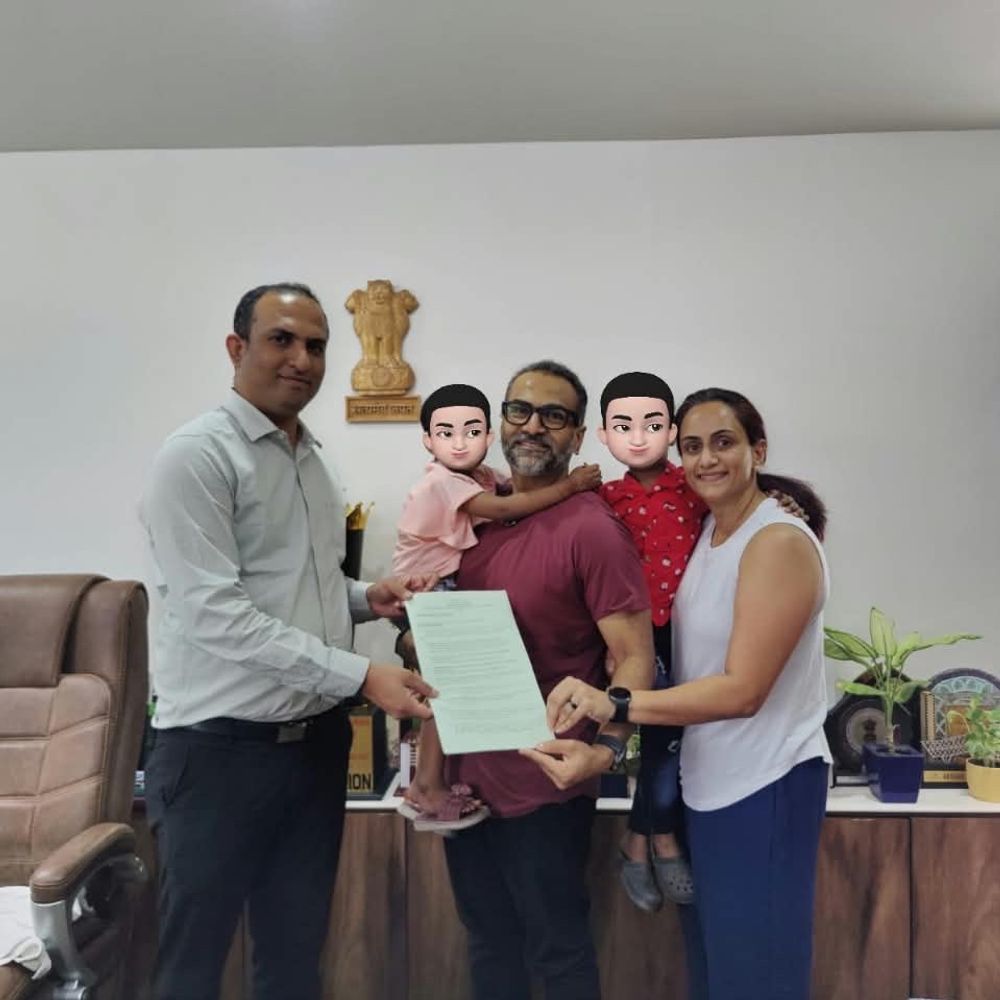
A Gujarati couple living in the United States has legally adopted two young children who were previously found wandering on the streets and sheltered at a specialized adoption home in Surat, Gujarat. The formal handover concluded following comprehensive administrative clearances at the district level, marking the culmination of an extensive inter-country adoption process.
The two young siblings had originally experienced severe hardship before entering institutional care. After being found vulnerable and without adequate support, local child welfare authorities and social workers intervened to bring them to the Katargam Shishu Gruh, an authorized specialized adoption agency operating in Surat.
During their stay at the Katargam facility, caregivers and the District Child Protection Unit provided the children with medical attention, emotional support, and routine care. Officials monitored their developmental progress while documenting their legal status to determine their eligibility for long-term domestic or inter-country placement under statutory welfare rules.
The adoptive parents, an Indian-origin couple originally from Gujarat who work in the financial sector in the United States, had sought to welcome children into their home through legal adoption channels. Unable to have biological children of their own, they registered their request through the official framework governing inter-country adoptions.
The adoption was facilitated through India's Central Adoption Resource Authority, widely known as CARA, which oversees all formal child adoption procedures across the country. The couple underwent rigorous background evaluations, financial vetting, and international home-study reviews spanning nearly three years before matching with the young siblings.
After mutual matching and initial virtual interactions arranged in coordination with authorities, the couple traveled from the United States to Gujarat to meet the children in person. Social workers reported that the transition period allowed the children and their prospective parents to establish familiarity and emotional comfort before formalizing legal custody.
The legal formalities concluded with final approval from the Surat District Collectorate, which verified documentation under statutory guidelines empowering district magistrates to issue final adoption orders. Administrative officials signed the official papers, formalizing the legal transfer of guardianship to the adoptive parents.
Welfare authorities highlighted the case as an example of structured child protection systems working to secure stable futures for vulnerable and destitute children. Strict statutory procedures under CARA ensure that every inter-country placement adheres to international conventions, safeguarding the child's identity, rights, and long-term well-being.
With the district orders finalized, officials have initiated the standard administrative steps required for the children's relocation abroad. These procedures include issuing revised birth certificates reflecting the adoptive parents' names, securing Indian passports, and completing foreign travel documentation and visa requirements.
Once international travel documentation is completed, the children will depart with their new parents to begin their lives in the United States. Child welfare officials and post-adoption monitoring agencies will continue to track the children's integration and development periodically through formal reporting protocols to ensure a safe transition.
Primary source: Divya Bhaskar NRG. Newzly rewrites and structures source reporting for clarity; verify critical details at the original.