Why the US Midterms Sparked an AI Stock Selloff
Artificial intelligence stocks dropped sharply following the U.S. midterm elections amid fears of tighter regulatory scrutiny, compounding long-standing investor anxieties over high valuations and commercial monetization timelines.
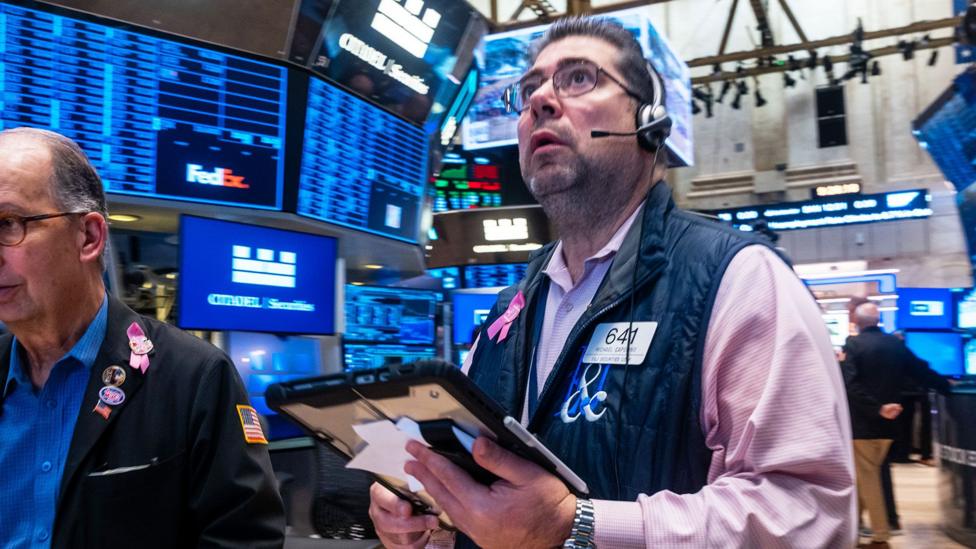
Technology shares tied to artificial intelligence have faced renewed selling pressure following the recent United States midterm elections. The downturn comes as investors reassess political dynamics and the potential for heightened regulatory oversight targeting the rapidly expanding sector. While election outcomes often inject volatility into financial markets, analysts indicate that market sentiment around artificial intelligence had already been showing signs of vulnerability.
At the core of the market reaction are mounting expectations that lawmakers could pursue stricter rules governing artificial intelligence deployment, data privacy, and algorithmic accountability. Shifts in legislative control and committee leadership frequently alter the regulatory trajectory for emerging technologies. For technology firms heavily reliant on sustained capital expenditure, the prospect of heightened compliance requirements poses a fresh operational headwind.
Concerns surrounding the artificial intelligence sector, however, extend well beyond immediate post-election policy shifts. Market observers note that skepticism regarding the industry has been accumulating over an extended period. Questions about monetization timelines, massive capital outlays, and when corporate buyers will see meaningful returns on investment have persistently hovered over tech sector valuations.
Artificial intelligence equities had previously experienced substantial valuation expansion, leaving little margin for broader macroeconomic or political uncertainty. When expectations become exceptionally elevated, even incremental changes in regulatory sentiment can prompt institutional funds to reduce risk exposure. The midterm results appear to have provided an immediate catalyst for funds looking to lock in profits or reposition portfolios.
Legislative oversight of artificial intelligence spans multiple complex domains, ranging from national security considerations to copyright protections and consumer safeguards. Lawmakers in Washington have debated how best to balance domestic technological innovation against potential systemic risks posed by automated systems. As political balances change, tech executives and investors must navigate the possibility of competing legislative proposals and regulatory scrutiny.
Beyond new federal legislation, existing regulatory agencies may also alter their enforcement posture following major electoral transitions. Scrutiny regarding market concentration among leading cloud infrastructure and chip providers remains a focal point for regulators and industry observers alike. Increased compliance costs and legal uncertainty often create disproportionate friction for fast-moving technology companies attempting to commercialize new tools.
For businesses that have directed significant portions of their capital budgets toward AI infrastructure, policy headwinds could influence future corporate spending. Enterprise customers may adopt a more measured pace when integrating generative tools if governance guidelines remain unresolved. Consequently, any shift in corporate IT spending patterns can quickly ripple across software providers, semiconductor designers, and data center operators.
The market reaction highlights a broader transition toward greater fundamental discipline among technology investors. While speculative enthusiasm initially propelled valuations across the artificial intelligence ecosystem, current market participants are demanding clearer visibility into sustainable earnings and legal defensibility. The post-election selloff underscores that macroeconomic and political realities are increasingly factoring into tech evaluations.
Looking ahead, the market will closely monitor the formation of congressional committees and early legislative agendas to gauge the seriousness of incoming regulatory efforts. Tech trade associations and industry leaders are expected to intensify engagement with lawmakers to help shape policy frameworks. Until concrete legislative priorities emerge, volatility in artificial intelligence equities is likely to remain elevated as investors balance long-term technological promise against short-term regulatory risks.
Primary source: BBC Technology. Newzly rewrites and structures source reporting for clarity; verify critical details at the original.