US Moves to Blacklist Asian AI Firm Megaspeed After Nvidia Scandal
The United States is moving to blacklist Asian firm Megaspeed over allegations of diverting artificial intelligence chips to China following public disclosures regarding a former executive's affair with Nvidia chief Jensen Huang.
In this piece
U.S. officials are preparing to blacklist Asian AI firm Megaspeed following accusations that the company funneled advanced semiconductors to China. The…
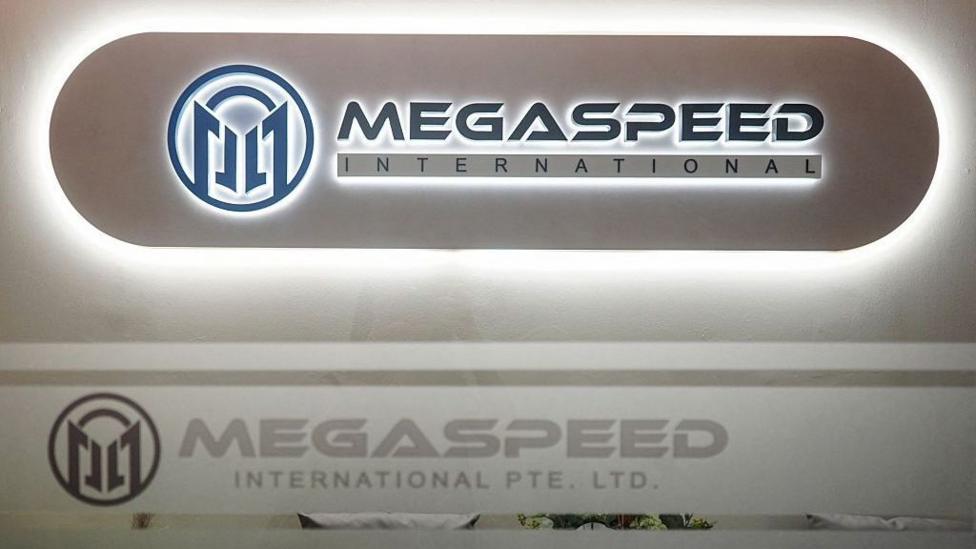
The United States is preparing to blacklist Asian artificial intelligence company Megaspeed following allegations that the firm funneled advanced AI chips to China, according to reporting from BBC World. The move marks a significant escalation in Washington's ongoing scrutiny of global semiconductor distribution networks. The punitive action comes in the wake of public revelations regarding an affair between a former company executive and Nvidia chief executive Jensen Huang.
According to the report, Megaspeed faces accusations of routing restricted artificial intelligence hardware into Chinese markets, circumventing international trade barriers. The controversy intensified after personal ties between the former Megaspeed executive and Huang surfaced publicly, drawing immediate regulatory and political attention. Officials are now weighing trade penalties that would effectively sever Megaspeed from American technology and commercial ecosystems.
Nvidia, led by Huang, stands at the center of the global artificial intelligence boom as the dominant supplier of the advanced microprocessors required to train and run modern models. Because Nvidia hardware is widely considered vital strategic infrastructure, both the company and its executive leadership operate under intense governmental scrutiny. The emergence of personal relationships connecting high-level corporate figures to regional distributors has introduced a volatile new dimension to ongoing compliance debates.
Washington has steadily tightened export controls aimed at restricting the flow of high-performance artificial intelligence semiconductors to China, citing national security priorities. U.S. authorities have established rigorous compliance frameworks designed to prevent unauthorized intermediaries and third-party vendors from diverting high-end technology to prohibited destinations. These evolving regulatory measures have placed Asian technology distributors and server vendors under rigorous examination by trade enforcement bodies.
A formal blacklisting by U.S. authorities typically restricts foreign commercial entities from purchasing American goods, software, or specialized manufacturing services without explicit government licenses. If added to federal trade restriction lists, Megaspeed would face severe operational bottlenecks that could impair its ability to procure critical components or maintain international partnerships. Similar enforcement actions have historically disrupted global distribution channels by forcing business partners to immediately terminate commercial engagements.
The allegations against Megaspeed underscore the complex challenges regulators face when monitoring multinational technology supply chains. While semiconductor manufacturers are required to adhere to strict export protocols, third-party logistics firms and regional distributors can create opacity across secondary markets. Industry analysts have long cautioned that intermediaries operating in Asia remain a primary focal point for illicit technology transfers and diversion schemes.
The situation highlights the persistent geopolitical friction surrounding advanced computing capabilities between the United States and China. American policymakers have consistently warned that foreign access to frontier computing infrastructure could accelerate technological development, prompting aggressive efforts to close regulatory loopholes. Allegations that intermediate firms may facilitate unauthorized access continue to drive calls for harsher oversight and sweeping institutional penalties.
Beyond geopolitical ramifications, the scandal raises significant corporate governance questions regarding executive relationships and conflict-of-interest disclosures within key industry sectors. While specific details regarding the volume and mechanism of the alleged chip transfers remain tightly held, the public nature of the executive relationship has complicated corporate narratives. Technology companies are facing growing pressure to demonstrate that personal connections do not compromise legal compliance obligations.
Looking ahead, international trade observers expect federal regulators to finalize documentation regarding Megaspeed's operational status and formal trade designations. The broader semiconductor industry will be monitoring whether additional entities linked to the procurement network face secondary sanctions or legal inquiries. As Washington continues to enforce its technological guardrails, the case serves as a high-profile test of how aggressively authorities will penalize foreign entities suspected of breaching trade controls.
Primary source: BBC World. Newzly rewrites and structures source reporting for clarity; verify critical details at the original.