US stock futures fall as Democratic midterm wins raise policy questions
U.S. stock futures fell as Democrats scored key midterm election wins, with Wall Street weighing uncertainty over how congressional control could affect taxes, government spending and regulation.
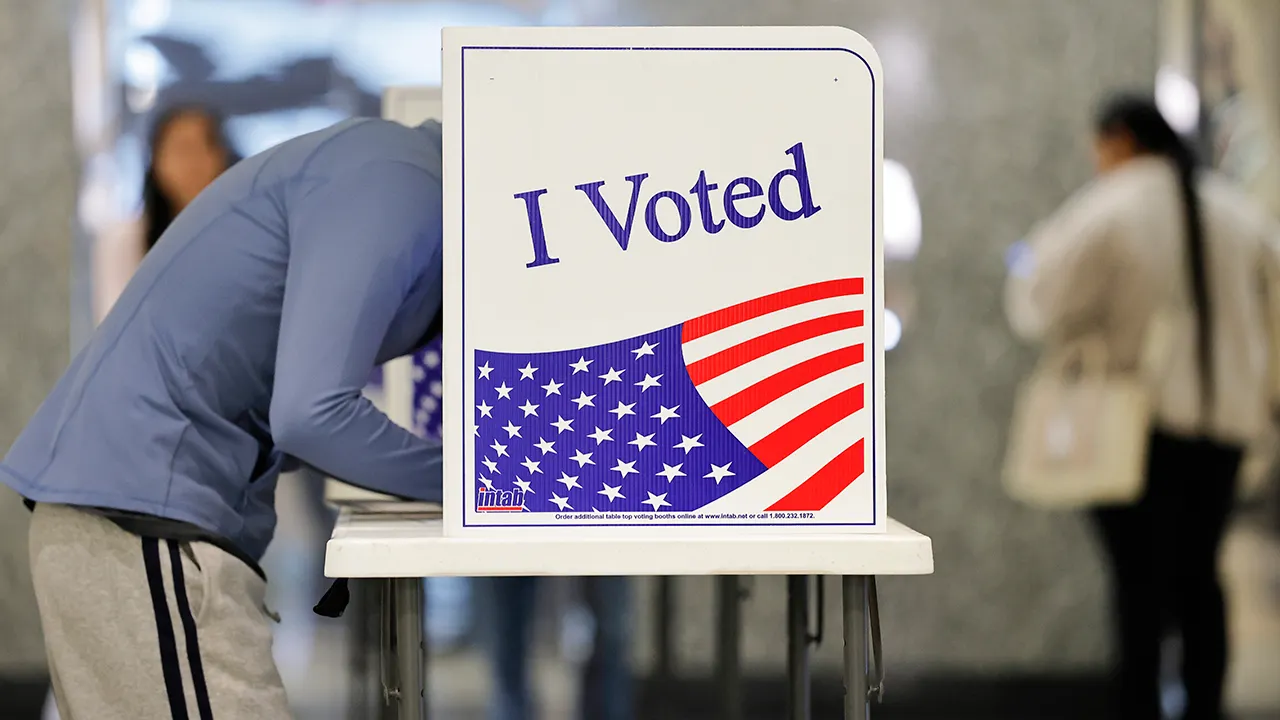
U.S. stock futures fell as Democrats scored key midterm election wins, according to a markets report, bringing uncertainty over congressional control into focus for Wall Street. The report identified taxes, government spending and regulation as areas investors were weighing, without specifying the size of the decline or which futures contracts were affected.
The election developments raised questions about the direction of federal economic policy rather than establishing a particular legislative outcome. The supplied account referred to the potential implications of Democratic control of Congress, but did not provide a seat tally, identify individual races or establish the final balance of power.
For investors, the distinction between election gains and an actionable policy agenda is important. A change in congressional control can alter which proposals receive attention, but election results alone do not determine what becomes law. The account did not identify any specific tax, spending or regulatory proposal behind the reported market reaction.
Taxes were one of the concerns highlighted in the report. Changes in tax policy can affect corporate earnings and investment decisions, making the outlook relevant to stock valuations. However, the available material did not describe proposed changes, identify businesses that might be affected or establish whether any measure had sufficient support to advance.
Government spending was another area of uncertainty. Federal spending decisions can influence economic activity and business demand, although their effects depend on the measures adopted and how they are implemented. The report did not specify whether investors were anticipating higher spending, lower spending or a shift in priorities following the election results.
Regulation also featured in the account's explanation of Wall Street's concerns. Different industries can face different consequences from changes in federal rules, so a broad reference to regulatory uncertainty does not establish a uniform effect across the market. No particular sector, company or regulatory initiative was identified in the supplied material.
The reported futures decline offered an indication of market sentiment, not a confirmed outcome for the subsequent cash trading session. Futures prices can change as additional information becomes available. Without contract levels, percentage moves or a reporting timestamp, the account provides limited grounds for assessing the scale or persistence of the selloff.
The next questions are how the congressional results resolve and which policy priorities emerge from them. A clearer assessment of the market implications would require those details, alongside evidence of proposals capable of advancing. For now, the report frames the decline as a response to election-related uncertainty rather than to an enacted change in economic policy.
Primary source: Yahoo Finance Markets. Newzly rewrites and structures source reporting for clarity; verify critical details at the original.