world·District of Columbia·District of Columbia
USS District of Columbia Back on Track for 2028 Delivery After Shipyard Ramp-Up
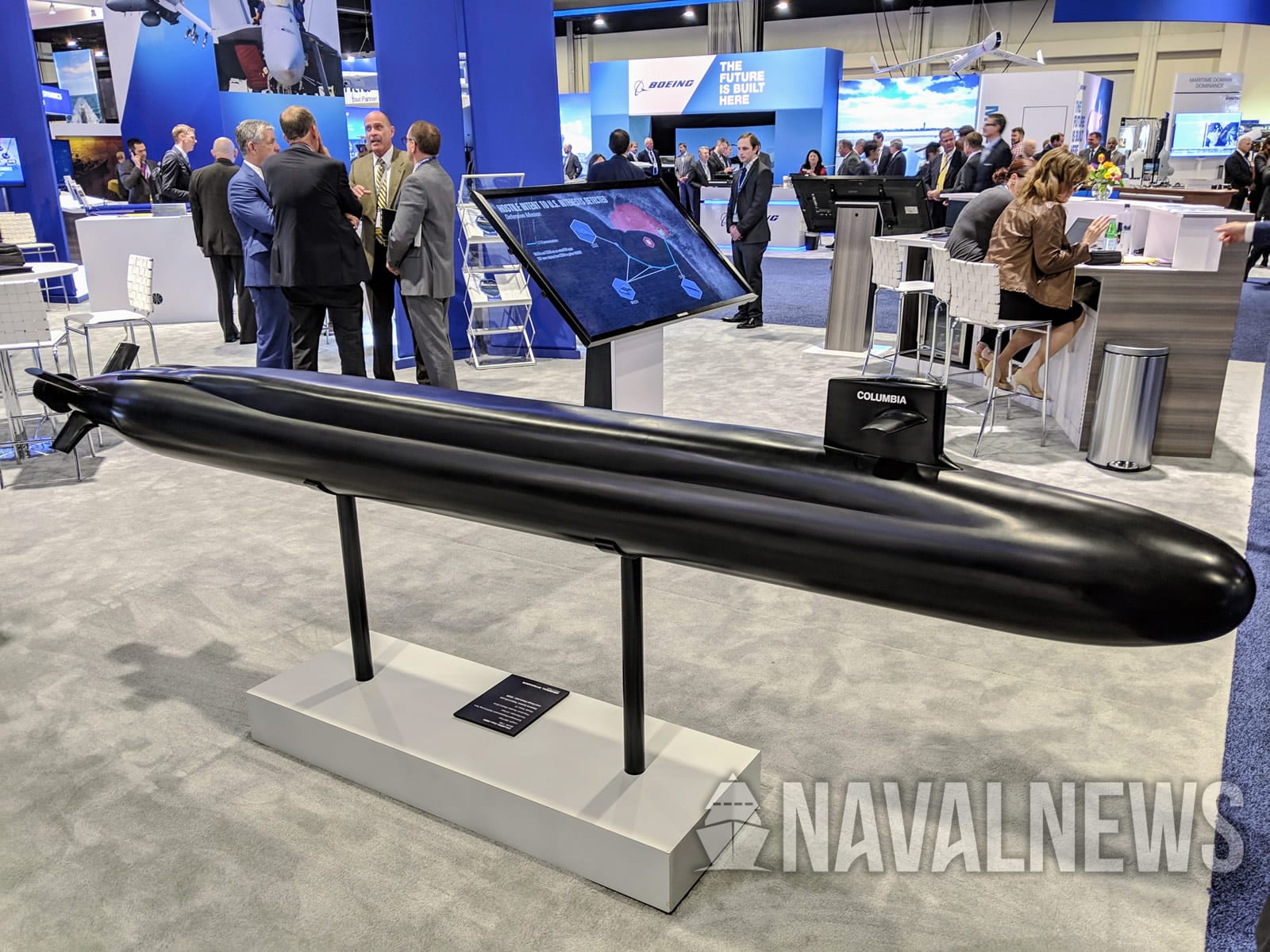
The U.S. Navy's lead Columbia-class submarine is back on schedule for late 2028 delivery after intensified manufacturing and shipyard interventions reversed compounding production delays.
In this piece
Construction of the USS District of Columbia (SSBN-826) has stabilized, keeping the lead ballistic missile submarine on course for delivery in late 2028.…
The U.S. Navy's next-generation ballistic missile submarine program has stabilized construction schedules for its lead boat, keeping the future USS District of Columbia (SSBN-826) on course for delivery in late 2028. Naval leadership and defense acquisition officials confirmed that aggressive industrial interventions have prevented further timeline slippages that previously threatened the sea-based leg of the nation's nuclear deterrent.
Prime contractor General Dynamics Electric Boat, working alongside key supplier Newport News Shipbuilding, has significantly expanded weekly work hours to accelerate final assembly. The workforce ramp-up successfully increased production velocity from earlier depressed rates to more than double the weekly construction volume, stabilizing operations across specialized manufacturing facilities.
The Columbia-class program had encountered persistent headwinds over recent years, including post-pandemic supply chain disruptions, skilled labor shortages, and late deliveries of critical structural components such as the bow and stern modules. Those compounding bottlenecks pushed the projected handover from an ambitious contractual target in 2027 into late 2028, sparking concerns of a broader postponement past the decade's end.
Prior government assessments and naval reviews had warned that without rapid corrective measures, delivery risks could cascade across the entire twelve-boat acquisition program. Analysts cautioned that unresolved supplier backlogs risked pushing the vessel's arrival further back, dangerously compressing the margins required for exhaustive pre-deployment sea trials.
Maintaining the 2028 timeline remains vital for the Pentagon as Cold War-era Ohio-class ballistic missile submarines approach mandatory retirement. The Navy operates 14 Ohio-class deterrent submarines, which must begin phasing out in the early 2030s without compromising continuous-at-sea strategic deterrence patrols.
Designed to serve as the technological backbone of maritime deterrence through the 2080s, the Columbia class incorporates an electric-drive propulsion system and a life-of-ship nuclear reactor core that eliminates mid-life refueling overhauls. Although displacing more water than their predecessors, the new submarines carry 16 missile tubes compared to 24 on Ohio-class boats, optimized for higher operational availability and reduced lifecycle costs.
The push to keep SSBN-826 on schedule has required intense prioritization across the domestic shipbuilding industrial base, which is concurrently manufacturing Virginia-class attack submarines. Defense planners have prioritized the Columbia program above all other naval construction accounts, directing substantial capital investments and advanced tooling directly into shipyard infrastructure.
With major hull cylinders consolidated and advanced outfitting advancing at manufacturing yards in Quonset Point and Groton, the program faces demanding fabrication milestones ahead of system testing and final pressure hull closure. Shipbuilders and naval supervisors must now sustain elevated productivity rates through integration, launch, and subsequent contractor trials.
Following its planned handover to the Navy in 2028, the District of Columbia is scheduled to undergo rigorous acceptance testing and weapons certifications before departing on its maiden strategic patrol around 2031. Defense officials emphasize that while tight scheduling margins remain, stabilized shipyard throughput has restored confidence in delivering the flagship deterrent on time.
Primary source: Google News District of Columbia. Newzly rewrites and structures source reporting for clarity; verify critical details at the original.