Utah canyon with petroglyphs could lie in path of ‘hydrocarbon highway’
A potential route through a Utah canyon containing petroglyphs raises questions about energy infrastructure and cultural preservation, according to a Grist headline. The supplied excerpt does not identify the canyon or explain the proposal’s status.
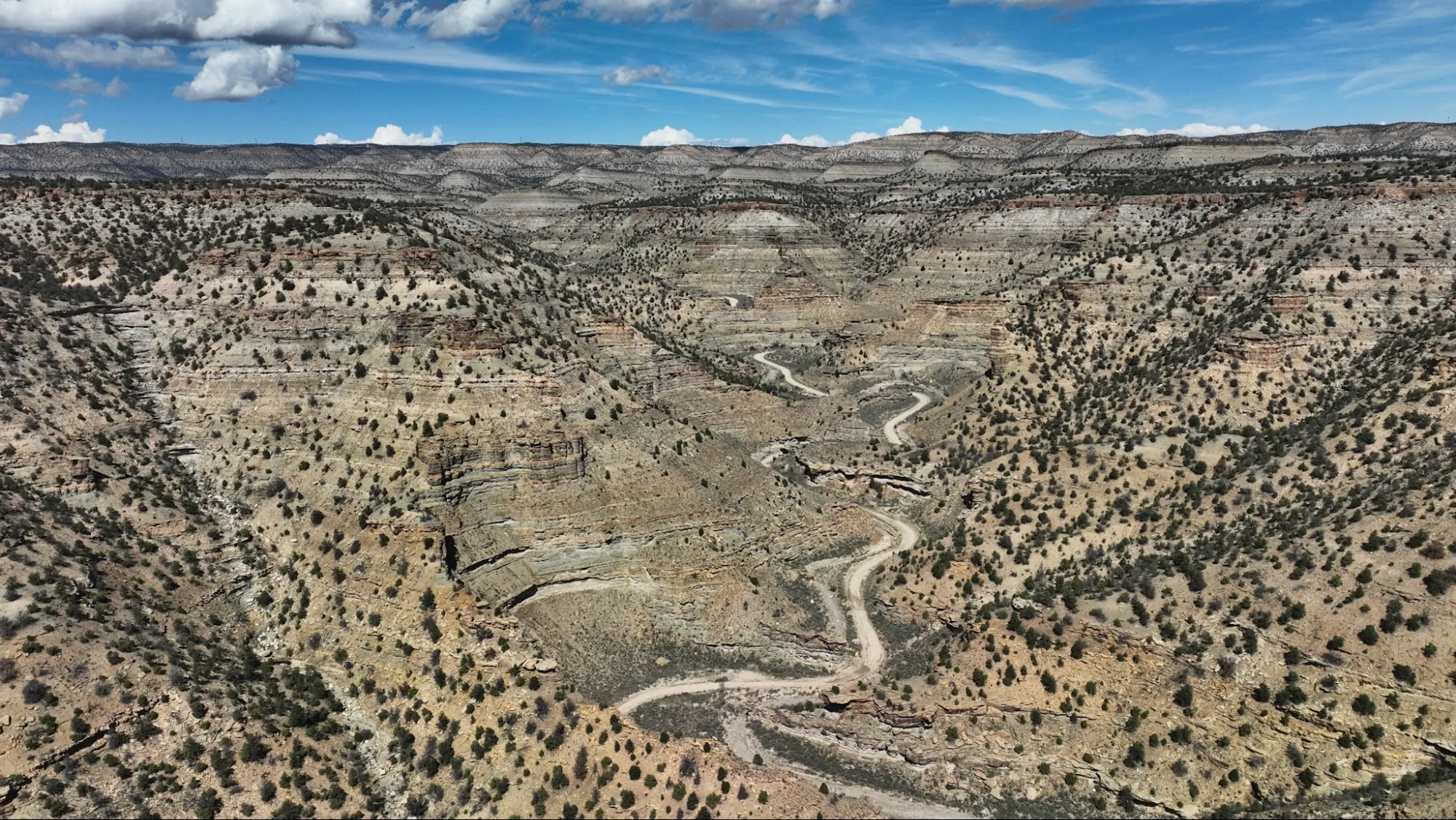
In this piece
Grist reports that a potential “hydrocarbon highway” could pass through a Utah canyon containing petroglyphs. The available material provides only the headline,…
A Utah canyon containing petroglyphs could lie in the path of what Grist describes in a headline as a “hydrocarbon highway.” The wording points to a potential intersection between energy-related transportation and cultural preservation, but the supplied material does not establish whether a route has been selected or authorized.
The item, distributed through Google News, links to Grist’s reporting but includes no substantive article text. Its headline is repeated in both the summary and content fields, providing no additional information about the canyon, the infrastructure involved or the people and organizations associated with it.
That distinction limits what can be reported about the development. The headline says a route “could” run through the canyon, indicating a possibility rather than a confirmed outcome. It does not establish that construction is imminent, that work has begun or that any petroglyphs have been damaged.
The phrase “hydrocarbon highway” suggests a transportation connection associated with fossil fuels, but the excerpt does not explain its precise meaning in this case. It would therefore be premature to characterize the proposal’s design, cargo, capacity or intended users, or to identify specific energy resources that it might serve.
The presence of petroglyphs puts cultural preservation at the center of the issue described by the headline. Evaluating any potential effects would require more information about where the markings are located relative to the route and what activities are contemplated. Neither that relationship nor any assessment of possible damage appears in the supplied text.
The story also raises a broader question about how infrastructure proposals are evaluated when they intersect with places containing cultural features. In this instance, however, the excerpt provides no basis for describing the applicable review process, land ownership or protective measures. It likewise contains no statements from project supporters, preservation advocates, public agencies or Indigenous communities.
The location is identified only as Utah, so a more specific geographic designation cannot be established from the available material. No county, canyon name, project sponsor, cost estimate or timetable is supplied. Those omissions matter because they prevent readers from determining the proposal’s scope or distinguishing an early possibility from a project approaching a decision.
The immediate outlook remains uncertain on the evidence provided. Establishing what happens next would require the full reporting or relevant project records, including information about the route and its decision-making status. For now, the supported conclusion is limited: Grist has highlighted a potential energy-related route through a petroglyph-containing Utah canyon, not a confirmed construction outcome.
Primary source: Google News Utah. Newzly rewrites and structures source reporting for clarity; verify critical details at the original.