world·Uttar Pradesh·Lucknow District
Uttar Pradesh Khadi Mahotsav Opens in Lucknow to Promote Rural Artisans
The 10-day Uttar Pradesh Khadi Mahotsav commenced in Lucknow, featuring stalls from across the state and offering special discounts to encourage public support for traditional handloom and village industry artisans.
In this piece
The annual Uttar Pradesh Khadi Mahotsav has opened in Lucknow, showcasing indigenous handloom garments and rural craft products from across the state.…
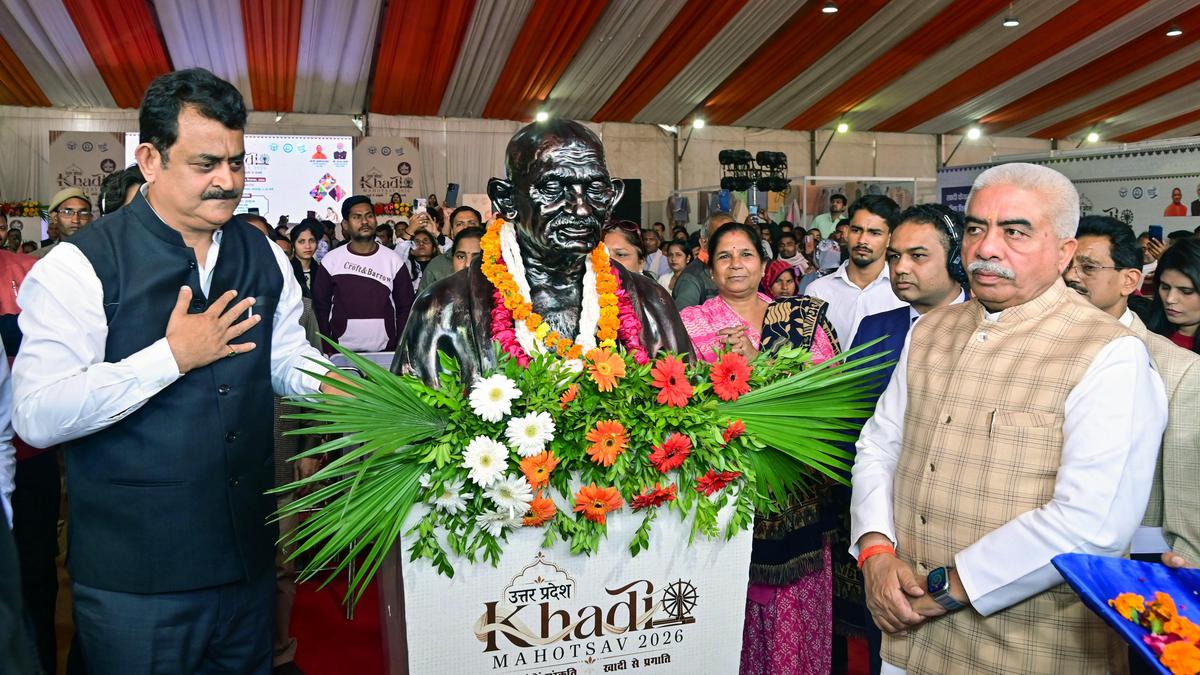
The 10-day state-level Uttar Pradesh Khadi Mahotsav commenced in Lucknow on Thursday, drawing artisans, weavers, and visitors from across the region to celebrate traditional handloom textiles and rural enterprise. Inaugurated by Uttar Pradesh Minister for Khadi and Village Industries Rakesh Sachan, the annual exhibition highlights the craftsmanship of local producers while providing them direct access to urban consumers.
The event is being hosted at the Central Sanskrit University campus in Lucknow's Gomti Nagar area and is scheduled to run through December 6. Organized by the Uttar Pradesh Khadi and Village Industries Board, the festival has brought together dozens of stalls that feature hand-spun cotton and silk garments, herbal remedies, and diverse cottage industry goods.
To incentivize public attendance and drive commercial sales for participating artisans, organizers have announced a special 30 percent discount on Khadi apparel throughout the duration of the fair. Officials highlighted that such price incentives make indigenous clothing competitive with mass-produced alternatives while directly putting revenue into the hands of grassroots creators.
Addressing the opening gathering, Sachan emphasized the state government's ongoing push to revitalize rural livelihoods by supporting decentralized textile production and small-scale manufacturing. The exhibition aligns with broader economic initiatives, including the national Vocal for Local campaign and Atmanirbhar Bharat self-reliance objectives, which prioritize regional heritage crafts over imported consumer goods.
Craftspeople representing multiple districts of Uttar Pradesh have set up shop at the campus ground, presenting products that reflect centuries of regional weaving traditions. From fine cotton kurtas and silk sarees to woollen accessories and khadi-based home furnishings, the displays showcase both traditional styling and updated designs aimed at contemporary urban buyers.
Beyond woven apparel, the Mahotsav features dedicated spaces for village industry units specializing in organic honey, handmade soaps, artisanal pottery, and processed indigenous foods. Board representatives noted that these non-textile rural sectors form a vital secondary income stream for agrarian households and benefit significantly from sustained retail exposure in major cities.
The Khadi and village industries sector plays a critical developmental role across Uttar Pradesh by generating low-capital employment opportunities in rural communities, particularly for women and marginal farmers. Policy analysts and industry observers note that organized exhibitions reduce reliance on middlemen, allowing independent producers to retain a larger share of the retail margin and test consumer preferences firsthand.
Early turnout on the opening day saw steady foot traffic from local residents, students, and textile enthusiasts browsing the open-air pavilions. The growing consumer interest reflects an expanding domestic appetite for eco-friendly, breathable, and sustainably produced handspun fabrics, which have gained renewed traction among younger urban demographics.
Over the coming days, the Khadi Mahotsav is slated to host interactive sessions, live demonstrations of spinning and weaving, and cultural showcases to engage attendees alongside commercial activities. Organizers anticipate that strong visitor engagement through early December will provide vital financial momentum to rural craft clusters heading into the winter retail season.
Primary source: Google News Uttar Pradesh. Newzly rewrites and structures source reporting for clarity; verify critical details at the original.