Uttarakhand’s women farmers work to revive endangered medicinal plants
Women farmers in Uttarakhand are helping revive endangered Himalayan medicinal plants, Mongabay reports, highlighting a connection between farming and conservation in the Indian mountain state.
In this piece
A Mongabay report highlights women farmers’ efforts to revive endangered Himalayan medicinal plants in Uttarakhand. The supplied excerpt identifies the central…
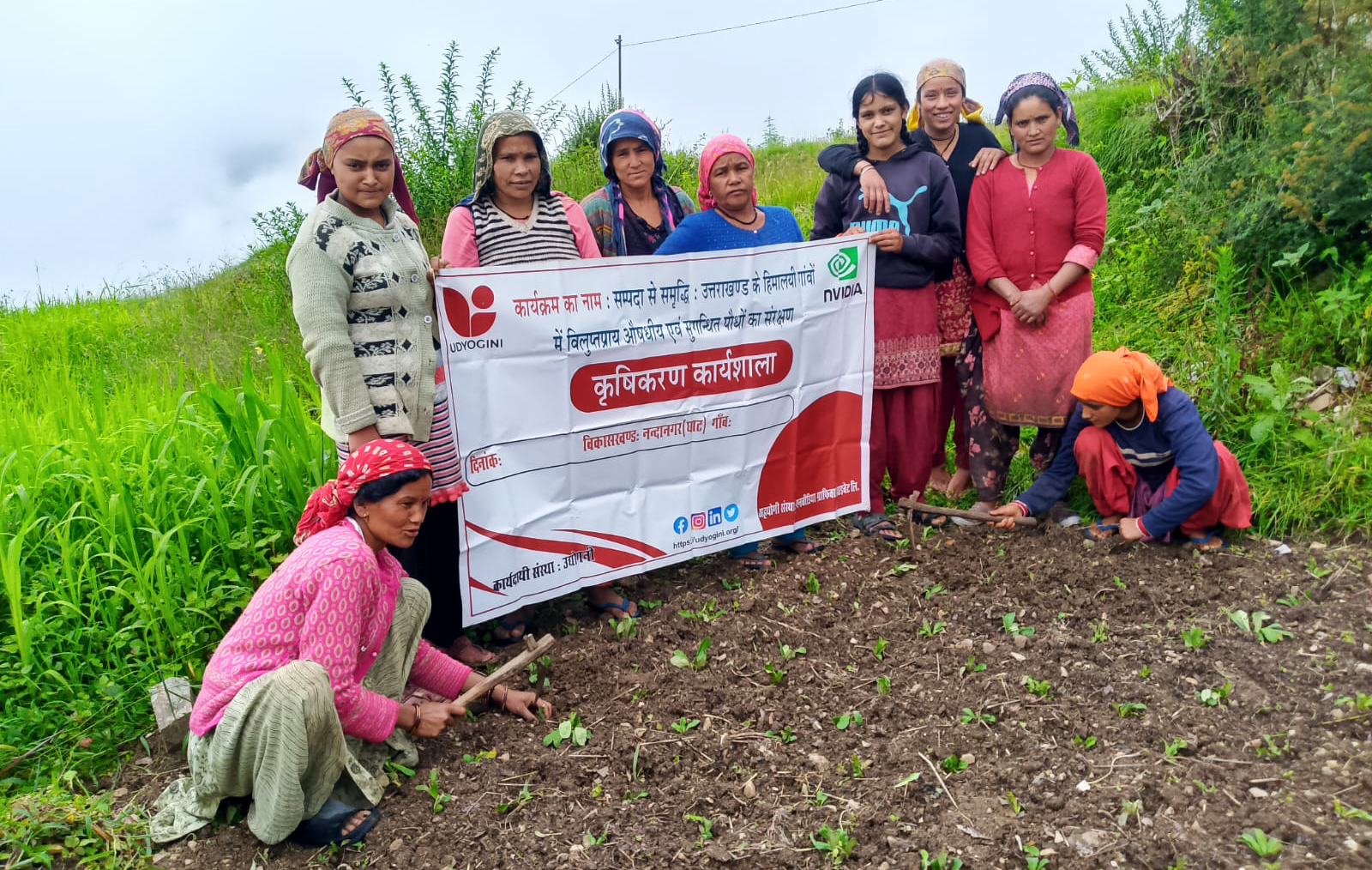
Women farmers in Uttarakhand are working to revive endangered Himalayan medicinal plants, according to a Mongabay report. The story places farmers at the centre of an effort to protect threatened plants in the Indian Himalayan state, although the supplied excerpt does not describe the scale of that work.
The report’s headline identifies both the women’s involvement and the plants’ conservation significance. However, the material provided consists only of that headline and a link, rather than the full article, leaving the specific activities and their results unavailable for independent assessment here.
The central issue is the relationship between agriculture and plant conservation. Growing threatened medicinal plants could offer a way to maintain them beyond their wild habitats, but the excerpt does not establish whether these farmers are cultivating crops, maintaining nurseries, restoring habitats or using a combination of approaches. Those distinctions matter when evaluating what “reviving” means in practice.
The women’s role is the clearest human dimension of the report. Its framing recognises farmers as participants in conservation rather than treating the protection of medicinal plants solely as a scientific or institutional task. The supplied material does not identify individual farmers, their organisations or the villages where they work.
The description of the plants as endangered also requires species-level context. Without their names or conservation assessments, it is not possible to establish which plants are involved, how threatened they are or whether the report uses “endangered” as a formal classification or a broader description. No population figures or evidence of recovery appear in the excerpt.
Medicinal plant farming can raise questions about both conservation and livelihoods. Whether cultivation provides an economic incentive to protect a species depends on circumstances such as growing requirements, access to buyers and the costs farmers face. The available material offers no income figures, market information or evidence that these particular efforts have reduced collection from the wild.
Assessing the initiative would therefore require more than evidence that plants are being grown. Relevant questions include whether they survive and reproduce, whether the work can continue over time and whether wild populations benefit. These are considerations for evaluating the reported effort, not outcomes established by the supplied source material.
The report’s central message is that women farmers in Uttarakhand are contributing to efforts to revive threatened Himalayan medicinal plants. The next questions concern the species involved, the methods being used and the durability of any gains. The full reporting would be needed to describe those details and establish what progress has been documented.
Primary source: Google News Uttarakhand. Newzly rewrites and structures source reporting for clarity; verify critical details at the original.