culture·Uttar Pradesh·Varanasi District
Vaikunth Chaturdashi: Devotees Observe Rare Confluence of Vishnu and Shiva Worship
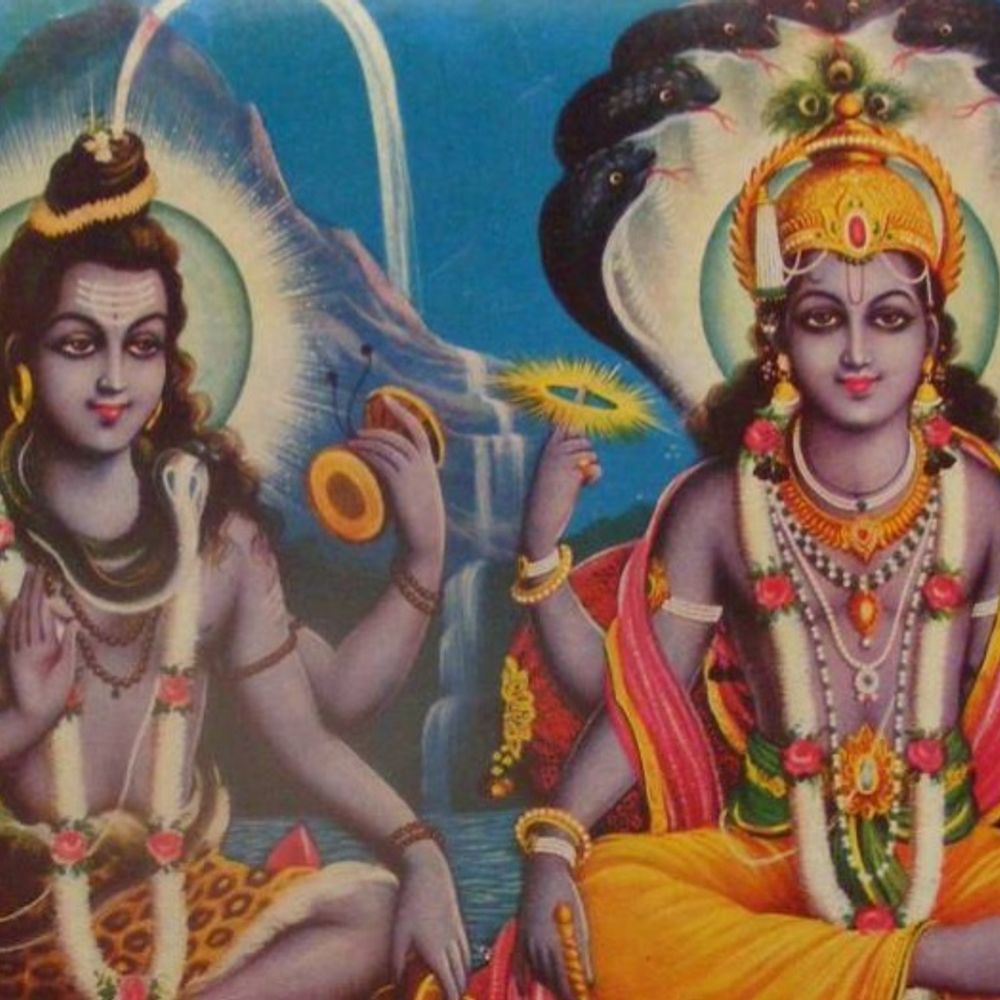
Devotees across India observe Vaikunth Chaturdashi on Monday, celebrating a rare sacred union of Vaishnava and Shaiva traditions where Lord Vishnu and Lord Shiva are revered together through traditional fasts and midnight rituals.
In this piece
Vaikunth Chaturdashi falls on the fourteenth day of the waxing moon in the sacred month of Kartik, uniting the worship of Lord Vishnu and Lord Shiva. Devotees…
Devotees across India are observing Vaikunth Chaturdashi on Monday, marking a sacred occasion in the Hindu calendar dedicated to the joint worship of Lord Vishnu and Lord Shiva. Occurring on the fourteenth lunar day of the waxing fortnight in the month of Kartik, the festival commemorates a theological harmony traditionally celebrated as the Hari-Hara union.
Unlike most ritual days that emphasize either Vaishnava or Shaiva traditions exclusively, Vaikunth Chaturdashi deliberately bridges both pathways of faith. According to religious guidance published by Divya Bhaskar, the annual observance provides an uncommon spiritual occasion where householders and temple priests honor the preserver and transformer deities on a single ceremonial platform.
Traditional lore traces the roots of the festival to an ancient mythological account centered in the sacred city of Varanasi. In the legend, Lord Vishnu journeyed to Manikarnika Ghat along the Ganges to worship Lord Shiva, resolving to offer one thousand lotus blossoms in an expression of supreme devotion.
As the solemn ritual unfolded, Shiva discreetly removed a single lotus flower to test Vishnu's devotion and concentration. Realizing an offering was missing and determined not to leave the sacred recitation incomplete, Vishnu prepared to excise one of his own lotus-like eyes to fulfill the ceremonial tally.
Deeply moved by the gesture, Shiva manifested before him, stayed his hand, and praised his unwavering faith. Scriptural traditions relate that Shiva bestowed the celestial Sudarshan Chakra upon Vishnu during this encounter and declared that devotees worshipping both deities on this date would secure entry into Vaikuntha.
Observance of Vaikunth Chaturdashi entails rigorous liturgical practices that span from dawn through the midnight hours, known as Nishita Kaal. Worshippers initiate the day with ceremonial ablutions, often blending sacred water from the Ganges into their bath, before formalizing a vow of fasting for the duration of the lunar day.
The ceremonial altar features reciprocal offerings that highlight mutual reverence between the two deities. Devotees present Vishnu with sacred basil leaves, yellow garments, and fresh lotus blooms, while offering Shiva bilva leaves, white blossoms, sacred ash, and traditional sweets.
Midnight holds paramount devotional significance, with families and temple congregations conducting elaborate aarti rituals and recitation of ancient hymns. The night concludes with Deepdan, a symbolic offering of lighted earthen lamps set afloat across riverbanks or placed along household entryways to dispel spiritual darkness.
Beyond ritual mechanics, spiritual scholars underscore the festival's cultural message of sectarian harmony and philosophical cohesion. By venerating Vishnu and Shiva in unison, the festival reinforces mutual respect across divergent philosophical traditions within Hindu thought.
As observances conclude through Monday night into Tuesday morning, religious commentators note that faithful observance is held to grant liberation from past transgressions. Riverfront temples across sacred pilgrimage towns anticipate steady streams of pilgrims completing their vows through early morning prayers and charitable offerings.
Primary source: Divya Bhaskar Dharm Darshan. Newzly rewrites and structures source reporting for clarity; verify critical details at the original.