Venezuela to Repeal Law Banning Opposition Figures From Public Office
Venezuela is moving to repeal legislation that bars opposition figures from holding public office, a development unfolding weeks after opposition leader Maria Corina Machado returned to the country.
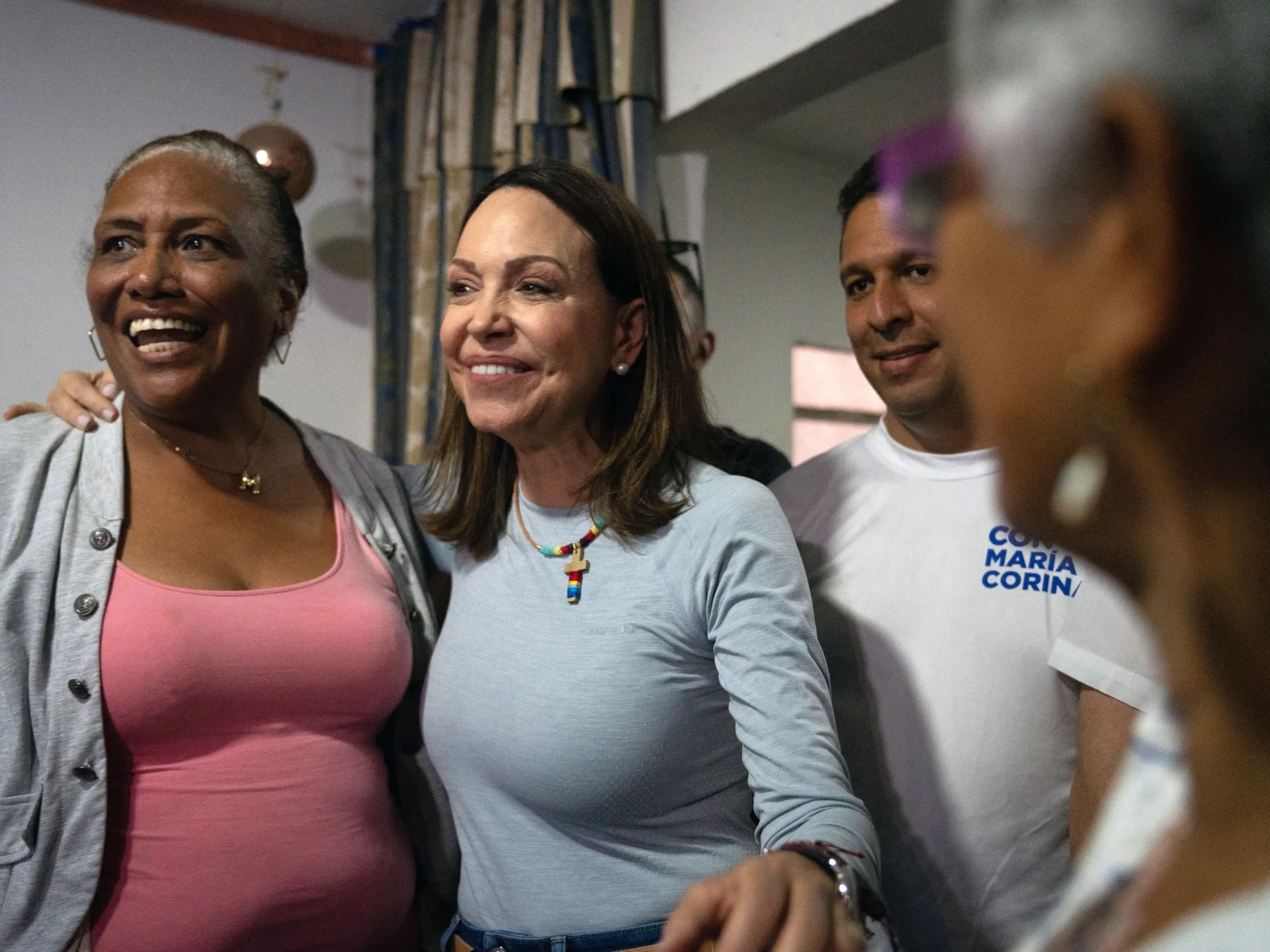
In this piece
Venezuela has announced plans to repeal a law barring opposition figures from holding elected office. The legislative move follows the return of opposition…
Venezuela has moved to repeal legislation that prohibits opposition political figures from holding public office, signaling a potential shift in the nation's political landscape. The legislative development comes approximately one month after opposition leader Maria Corina Machado returned to Venezuela, drawing renewed attention to longstanding political restrictions.
Under existing legal frameworks, several prominent opposition leaders have faced administrative and political bans preventing them from registering for or serving in elected positions. The proposed repeal addresses measures that have long been a focal point of domestic dispute and international diplomatic discussions regarding political rights in the South American country.
The timing of the move has drawn significant focus following the recent return of Machado, who remains one of the country's most visible opposition figures. Her presence inside the country has added renewed momentum to debates over electoral participation and the legal status of political adversaries.
Legal disqualifications have historically served as a central mechanism limiting opposition challenges in Venezuelan elections. Critics and human rights monitors have repeatedly characterized these bans as administrative instruments intended to sideline political rivals, while authorities have previously maintained they were lawful administrative penalties.
The planned rollback of the disqualification law comes amid ongoing scrutiny from regional and international observers concerning democratic institutions and governance. Diplomatic efforts, international negotiations, and past accords have frequently highlighted the restoration of political rights as a fundamental benchmark for resolving the country's protracted political crisis.
While official details on the precise timeline and implementation mechanics of the repeal remain subject to official confirmation, the announcement marks an uncommon legislative opening. Observers are closely examining whether the repeal will apply broadly across all currently disqualified figures or include procedural stipulations.
For Venezuela's broader opposition coalition, the removal of legal bans could significantly reshape electoral strategies and leadership dynamics. Restoring the eligibility of disqualified leaders could provide new options for political organizing and unified participation in upcoming civic processes.
Economic and diplomatic implications may also follow any verifiable loosening of restrictions on political figures. International sanctions and diplomatic relations have frequently been tied to demonstrable progress on political freedoms, civil liberties, and the conduct of competitive electoral contests.
Regional analysts note that the announcement will likely be met with measured anticipation until the formal legislative process is finalized and enacted into law. Past announcements concerning political accords have often faced implementation hurdles, leaving civil society organizations and political parties watchful for concrete legal steps.
Moving forward, the focus remains on the formal debate and passage of the repeal measure within the legislature and its practical enforcement on the ground. Observers, opposition groups, and international partners continue to monitor whether the repeal translates into immediate, tangible participation for Maria Corina Machado and other political figures across Venezuela.
Primary source: Al Jazeera. Newzly rewrites and structures source reporting for clarity; verify critical details at the original.