world·Himachal Pradesh·Kangra District
Vijai Singh Mankotia’s Legacy: A Decorated Soldier and Fierce Himachal Politician
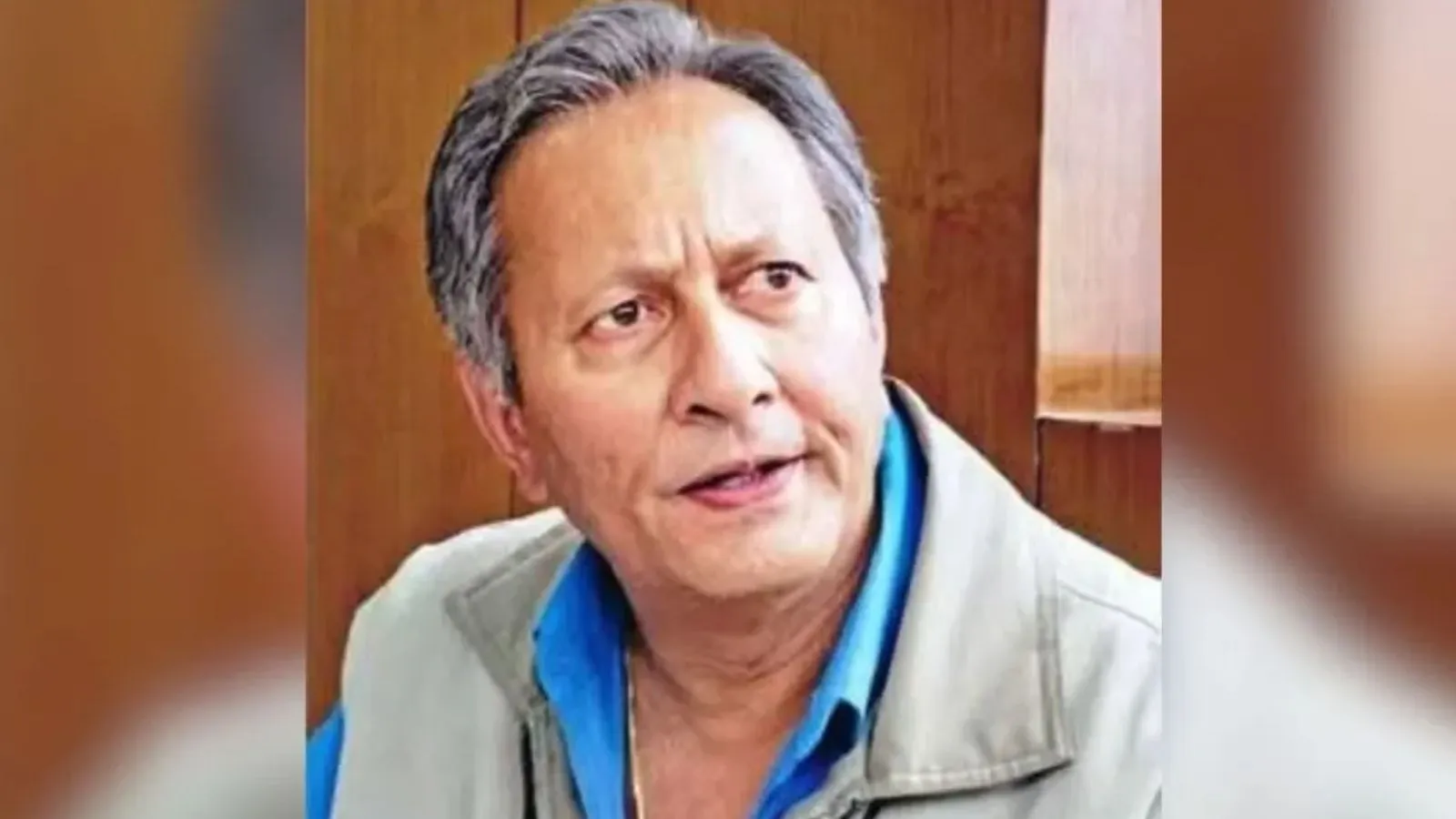
Major Vijai Singh Mankotia, a decorated veteran of three wars and a five-time Himachal Pradesh legislator known for his fierce independence, has died at 87 in Kangra district.
In this piece
Decorated Army veteran and veteran Himachal Pradesh politician Major Vijai Singh Mankotia has passed away at age 87 in his native Kangra district. A veteran of…
Major Vijai Singh Mankotia, a decorated Indian Army veteran and prominent five-time Himachal Pradesh legislator, has passed away at the age of 87 at his ancestral residence in Kangra district. His demise draws the curtain on a four-decade public career defined by military service in three major conflicts and an uncompromising, independent voice in state politics. Political leaders across party lines paid tribute to his lifelong commitment to public welfare.
Before entering politics, Mankotia built an exemplary record in the Indian armed forces after training at the Indian Military Academy in Dehradun. During his academy tenure, he earned the prestigious Sword of Honour and Gold Medal for outstanding all-around merit. He was subsequently commissioned into the esteemed 1/1 Gorkha Rifles as a combat officer.
Mankotia served on active frontlines during three defining conflicts of post-independence India: the 1962 Sino-Indian War, the 1965 Indo-Pakistani War, and the 1971 Bangladesh Liberation War. His battlefield experiences forged a disciplined and forthright persona that would come to characterize his subsequent public career. He chose premature retirement from military service in 1976 with the rank of Major.
His transition to civilian leadership began in earnest in 1982, when he contested and won a seat in the Himachal Pradesh Legislative Assembly as an Independent candidate from the Shahpur constituency. The electoral victory cemented his reputation as a grassroots mobilizer capable of challenging established party machines. Over subsequent decades, he would represent Shahpur five times.
During his legislative career, Mankotia served twice as a cabinet minister in Himachal Pradesh, holding high-profile portfolios including Tourism, Civil Aviation, and Law. He also headed the Himachal Pradesh Tourism Development Corporation, driving initiatives to expand tourism infrastructure across the hill state. Colleagues noted his administrative focus and insistence on procedural discipline.
Mankotia was known for an independent and often restless political journey that traversed multiple party banners. Over his forty years in politics, he worked alongside the Indian National Congress, helped establish the Janata Dal in the hill state, and later engaged with the Bahujan Samaj Party and the Bharatiya Janata Party. His shifts reflected his reluctance to remain subservient to central party high commands.
His outspoken approach frequently brought him into direct confrontation with the state's most powerful political figures, most notably longtime Chief Minister Virbhadra Singh. Their high-profile rivalry became a defining feature of Himachal politics for decades, marked by public clashes over governance and regional influence. Even during periods of formal alignment, Mankotia rarely hesitated to voice dissent.
Throughout his post-military life, Mankotia remained deeply invested in the welfare of former servicemen and their families. He led the state chapter of the Ex-Services League for years, lobbying state and national authorities for better pensions, healthcare access, and administrative support for veterans. Kangra district, a major recruitment belt for the armed forces, formed his core constituency.
Beyond the assembly and battlefield, Mankotia turned to writing to document the political and social shifts in Himachal Pradesh and northern India. He authored several volumes, including The Pattern of Destiny, Turmoil, and Upheaval, sharing candid insider observations of regional leadership and bureaucratic struggles. His commentaries reflected a veteran’s critical perspective on civilian governance.
Mankotia was cremated with full military honors in his native village of Tiara, surrounded by veterans, community members, and political leaders. Observers in Himachal Pradesh note that his legacy remains uniquely multifaceted, bridging soldiering, administrative governance, and fiery regional politics. His life stands as a testament to an officer who remained, by all accounts, a soldier at heart.
Primary source: The Indian Express. Newzly rewrites and structures source reporting for clarity; verify critical details at the original.