world·Delhi·New Delhi District
Violence Erupts in Bangladesh Over Blocked Return of Ousted Leader Sheikh Hasina
Demonstrations by supporters of ousted Prime Minister Sheikh Hasina have triggered fresh violence across Bangladesh after authorities rejected her planned return from self-imposed exile in India.
In this piece
Protests erupted in Bangladesh as supporters of ousted Prime Minister Sheikh Hasina pushed back against the rejection of her proposed return from exile in…
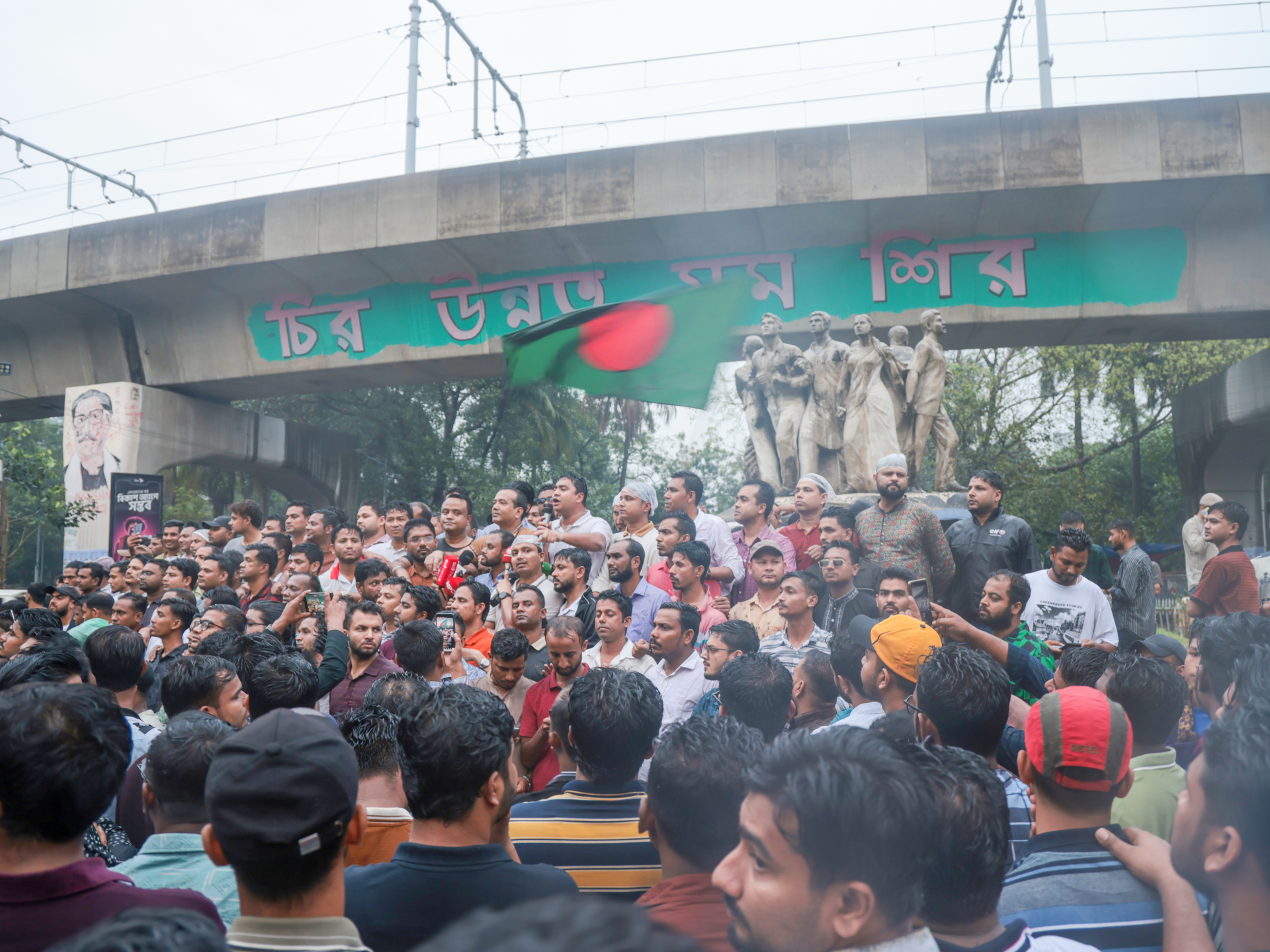
Fresh waves of unrest and street violence have erupted across Bangladesh after supporters of ousted Prime Minister Sheikh Hasina staged demonstrations to protest the rejection of her planned return to the country. According to reporting from Al Jazeera, the unrest marks a volatile escalation in political tensions that have gripped the South Asian nation following her removal from office and departure abroad.
Hasina, who has been residing in self-imposed exile in neighbouring India since her abrupt exit from power, remains an intensely polarising figure across Bangladesh's domestic political landscape. Demonstrators loyal to her political movement mobilized to challenge official resistance against her proposed re-entry, triggering confrontations that quickly descended into disorder.
The decision to block or strongly reject her return reflects the deep-seated grievances and sustained volatility that accompanied the collapse of her administration. Following months of massive public uprisings that forced her ouster, governing authorities and opposition groups have remained adamant that her return would severely destabilize an already fragile national transition.
For authorities tasked with maintaining internal order, the resurgence of loyalist street demonstrations represents a severe operational test. Confrontations between pro-Hasina factions and rival political groups or security personnel have repeatedly tested civil order, raising fears of sustained disruption in major urban centers.
At the center of the dispute are unresolved legal questions and intense domestic demands for accountability concerning actions taken during her prolonged tenure in office. While her supporters argue that political figures retain a fundamental right to return home and engage in civic activity, critics and current leaders maintain that facing judicial processes must take precedence over political rallies.
The standoff also carries significant regional diplomatic ramifications, particularly for relations between Dhaka and New Delhi. Given that Hasina has been sheltered in India under self-imposed exile, questions surrounding her status and political activity have introduced delicate diplomatic friction between the two neighboring governments.
The renewed unrest threatens to complicate ongoing efforts to restore economic stability and reassure international partners after extended periods of civil turmoil. Continued street disruptions, transport stoppages, and general unrest place immediate pressure on domestic commerce, daily wage earners, and export supply chains.
Civil society observers note that managing such demonstrations without provoking wider unrest remains a difficult balancing act for the country's transitional leadership. Upholding public order while preventing heavy-handed clashes is critical for stability, yet unaddressed rallies risk provoking retaliatory counter-mobilizations from opposing political coalitions.
Details regarding the precise legal mechanisms cited to formally block her entry remain fluid as authorities evaluate the ground situation. In the absence of a comprehensive political settlement, analysts caution that spontaneous protests by loyalist cadres could continue to flare whenever discussions surrounding her return gain traction.
Moving forward, regional monitors and international observers are closely watching how authorities manage subsequent assemblies and whether political dialogue can de-escalate confrontation on the streets. Until clear consensus and legal frameworks are established regarding the former leader's status, Bangladesh faces an uncertain road toward civil calm.
Primary source: Al Jazeera. Newzly rewrites and structures source reporting for clarity; verify critical details at the original.