Volvo Cars Plunges 24% as Leadership Warns China Slump Accelerated Faster Than Expected
Volvo Cars shares plunged 24% following warnings of deteriorating market conditions in China and the U.S., with executive leadership acknowledging that a severe regional downturn struck faster than expected.
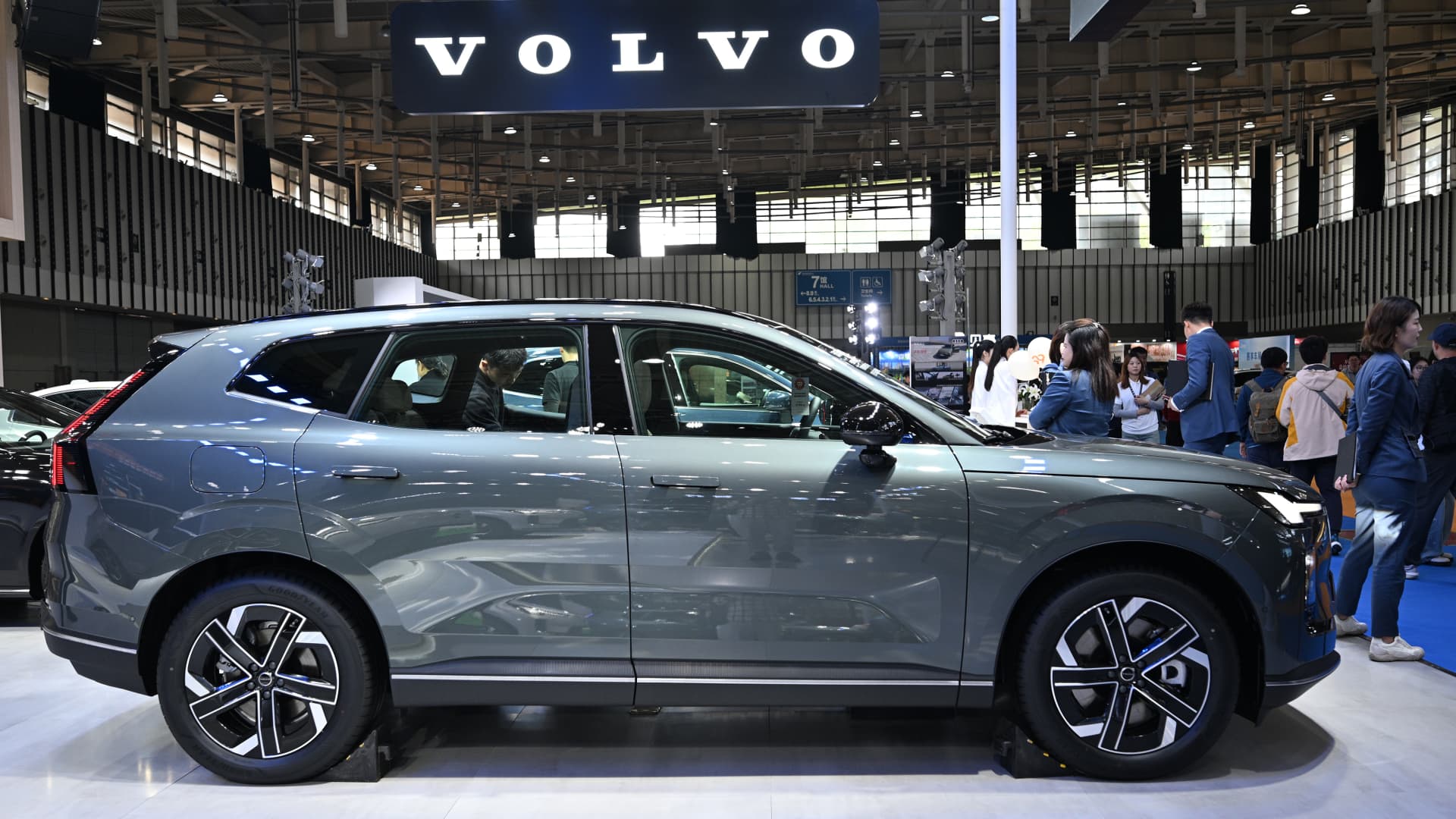
Shares of Volvo Cars dropped sharply on Thursday, plummeting roughly 24 percent as the Swedish automaker confronted worsening sales trends in key overseas markets. The dramatic sell-off followed corporate warnings that conditions in China and the United States have deteriorated significantly, severely denting investor confidence in the brand's near-term trajectory.
Speaking to CNBC, the company's executive leadership acknowledged that the downturn in the Chinese market materialized far faster than anticipated. Management observed that established Western automakers are facing unprecedented competitive realities across the region, where historical sales strategies no longer deliver the volume or margins seen in previous cycles.
The Swedish carmaker pointed directly to the shifting environment across both China and the U.S. as a primary driver of weakened financial results. Company leadership noted that these tougher market conditions have negatively affected free cash flow, tightening operational flexibility at a moment when heavy structural investments remain vital.
The turbulence in China reflects a broader structural change sweeping through the world's largest automotive market. Domestic manufacturers in China have expanded aggressive price competition and accelerated domestic electric vehicle rollouts, eroding market share previously held by traditional international brands.
Concurrently, the carmaker has had to navigate compounding headwinds in the United States, where policy adjustments and changing consumer demand have created fresh friction. Shifting electric vehicle incentives alongside international trade uncertainties have complicated pricing and inventory management across North American dealerships.
The rapid margin compression at Volvo underscores the growing vulnerability of Western automotive brands reliant on international scale. For years, premium manufacturers counted on robust Chinese demand to generate steady profitability and finance capital-intensive product transitions.
With those reliable revenue streams receding, automakers are being forced to choose between discounting vehicles to defend volume or accepting smaller footprints to protect margins. Volvo leadership indicated that chasing market share at the expense of profitability has become untenable in such an intensely competitive pricing environment.
To stabilize its balance sheet against ongoing cash pressures, the automaker is pursuing wider operational realignments and cost-control initiatives. The company had previously warned of restructuring requirements aimed at curbing expenditures and adjusting overhead to match lower projected sales volumes.
Looking ahead, industry analysts anticipate continued volatility across global auto markets as legacy brands recalibrate regional production and model lineups. Automakers will increasingly depend on regionalized manufacturing and localized software ecosystems to compete against nimble domestic competitors.
For Volvo, restoring investor trust will hinge on executing structural cost adjustments while protecting its core brand identity. As international markets remain fragmented and unpredictable, the company faces a demanding path toward rebuilding positive free cash flow and securing sustainable long-term profitability.
Primary source: CNBC Markets. Newzly rewrites and structures source reporting for clarity; verify critical details at the original.