Warren Buffett's Berkshire Compounded at Over 19% Annually for Six Decades
Berkshire Hathaway's 19 percent annualized return over sixty years nearly doubled the S&P 500, reigniting debate over whether investors can still replicate the compounding playbook today.
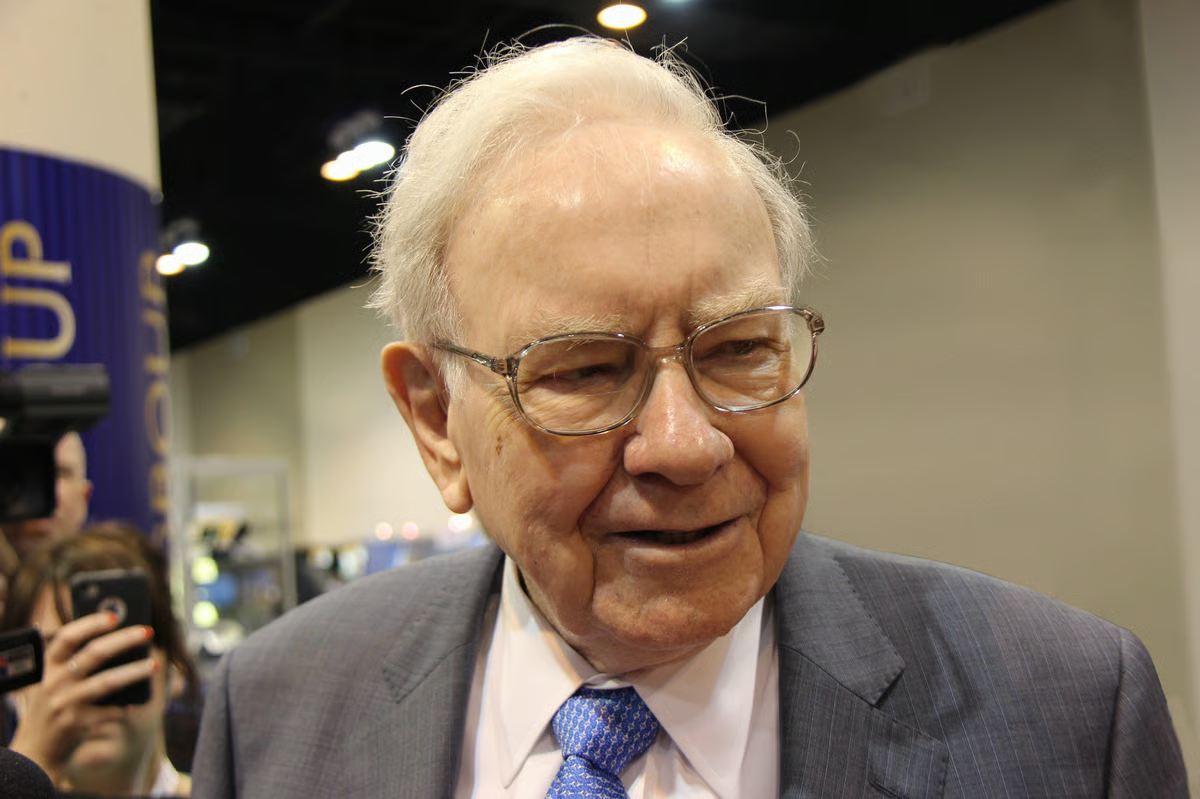
Warren Buffett's Berkshire Hathaway has delivered an annualized compound return exceeding 19 percent over the past six decades, roughly doubling the broader market's benchmark return. The performance stands in stark contrast to the standard benchmark, the S&P 500, which posted annualized gains of approximately 10 percent across the same sixty-year timeframe. The dramatic divergence highlights how sustained compound interest can amplify wealth across prolonged investment horizons.
A hypothetical stake of five thousand dollars committed to Berkshire shares six decades ago would now represent a massive personal fortune. That arithmetic demonstrates the compounding mechanism that transformed a struggling textile operation into one of the most closely watched conglomerates in modern financial history. The sustained outperformance has served as a central case study for institutional fund managers and retail participants alike.
The disparity between an annualized 19 percent gain and the market's 10 percent average reflects more than just strong stock selection. Over decades, compounding at nearly twice the rate of the broader index produces exponential divergence rather than linear advantages. Market observers frequently point to this multi-decade record as an empirical demonstration of patient, disciplined capital allocation.
The historic performance has renewed debate across Wall Street over whether everyday investors can still replicate that traditional playbook in contemporary markets. Market structures and information flow have evolved significantly since Berkshire began its six-decade compounding trajectory. Financial analysts increasingly examine whether the underlying principles remain viable given modern market conditions and elevated competition.
A primary challenge confronting capital allocators today involves market efficiency and access to actionable value opportunities. Six decades ago, financial markets were less saturated with quantitative funds, automated trading systems, and instant digital dissemination of corporate filings. Today, discovering mispriced securities that can deliver nearly 20 percent annual returns over decades has become an undeniably steeper hurdle.
Scale also plays an influential role in whether multi-decade outperformance can be maintained over time. Enormous pools of capital face inherent mathematical friction, as finding deals substantial enough to move the needle becomes progressively difficult. While individual investors manage smaller portfolios that are nimble enough to target niche opportunities, finding assets capable of outcompeting broader benchmarks remains demanding.
Despite structural shifts in global finance, core tenets of the multi-decade compounding philosophy continue to guide long-term portfolio construction. Principles emphasizing fundamental business quality, durable competitive advantages, and long-term ownership remain standard benchmarks for disciplined investors. Financial planners often note that avoiding severe drawdowns and maintaining consistent capital deployment remain foundational elements of steady compounding.
The six-decade historical comparison reinforces why index benchmarks like the S&P 500 serve as the default standard for long-term wealth creation. Generating a 10 percent annualized return over extended spans has historically provided substantial financial security for disciplined savers. Surpassing that benchmark on a sustained basis demands an exceptional degree of patience, rigor, and strategic capital allocation.
As market participants evaluate strategies for the decades ahead, the historical lesson of Berkshire's returns offers both ambition and practical perspective. Whether investors choose passive tracking of broad indexes or seek superior active returns, compounding remains the primary engine driving long-term portfolio growth. The overarching challenge remains whether modern market participants have the discipline to commit capital across multi-decade horizons.
Primary source: Yahoo Finance Markets. Newzly rewrites and structures source reporting for clarity; verify critical details at the original.