'We Have No Interest in Hearing From Huw Edwards,' Downing Street Says
Downing Street has firmly rejected an upcoming television documentary featuring Huw Edwards, stating the government has no interest in hearing from the convicted former BBC presenter while prioritizing support for abuse victims.
In this piece
The British government has condemned an upcoming Channel 4 documentary featuring disgraced former BBC news anchor Huw Edwards. A Downing Street spokesperson…
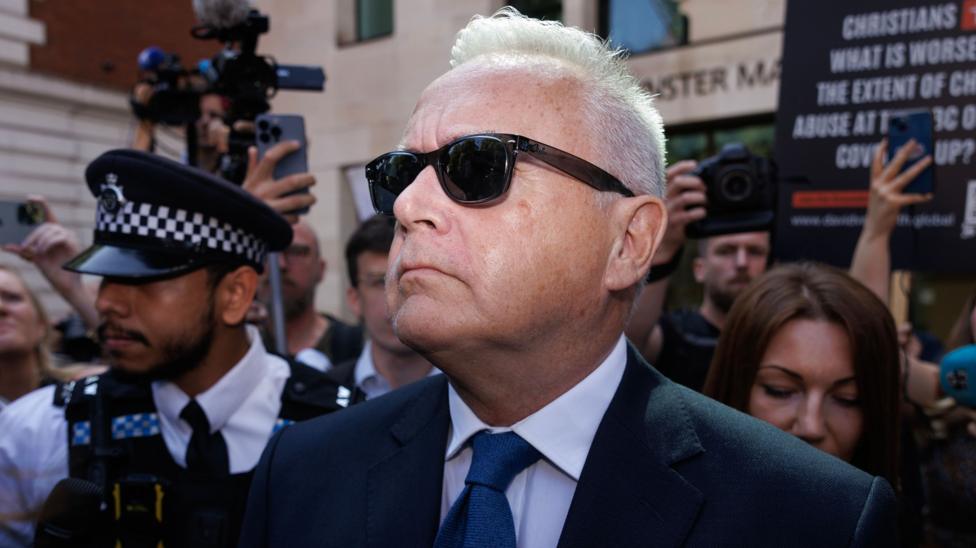
Downing Street has strongly rebuked an upcoming television documentary featuring disgraced former BBC news anchor Huw Edwards, stating that the British government has no interest in hearing what he has to say. The Prime Minister's official spokesperson delivered the blunt assessment following mounting public and political anger over the broadcaster's return to the screen. Officials emphasized that public attention should remain firmly focused on the victims of child abuse and exploitation rather than on Edwards' personal reflections.
The spokesperson affirmed that Edwards was convicted of serious criminal offences and stressed that anyone responsible for such acts must face full accountability. While acknowledging that television networks operate with editorial independence, Downing Street reminded broadcasters of their civic responsibilities. The government stated that media organizations are expected to act responsibly and show appropriate sensitivity toward audiences when choosing whether to give convicted offenders a national platform.
The political intervention follows intense controversy surrounding "Huw Edwards – Guilty," a documentary produced by Oxford Films for Channel 4. The program features the first public interviews with the former newsreader since his criminal conviction and subsequent withdrawal from public life. Filmed over nearly a year at his home in rural Wales, the production captures Edwards answering questions about his actions and his sudden fall from grace.
For two decades, Edwards stood as one of the most recognizable and trusted voices on British television, leading coverage of major national events and fronting the BBC's flagship evening news bulletins. That prominent career ended after he was charged and subsequently pleaded guilty in 2024 to three counts of making indecent images of children. He received a suspended prison sentence, alongside requirements to register as a sex offender and complete rehabilitation programs.
News of the documentary has triggered widespread criticism from victim advocacy groups, politicians, and viewers across the United Kingdom. Campaigners argued that broadcasting interviews with Edwards risks retraumatizing victims of sexual abuse and provides an unnecessary platform for personal rationalization. Multiple members of Parliament from across the political spectrum joined the criticism, questioning the timing, ethical rationale, and public value of the broadcast.
Channel 4 defended its decision to proceed with the program, arguing that the documentary serves a clear public interest by examining power, prestige, and accountability in contemporary media. The broadcaster stated that the film rigorously interrogates Edwards rather than offering him a sympathetic spotlight or a vehicle for rehabilitation. Representatives maintain that exploring how an influential figure abused their position remains an important subject of journalistic inquiry.
The controversy has reignited wider debates within the British media industry over the boundaries of investigative journalism involving convicted public figures. Media ethics specialists note that documentarians often face difficult choices when balancing rigorous accountability against concerns about providing undue publicity. For critics, however, the gravity of the offences and the vulnerability of victims should supersede any editorial desire for exclusive interviews.
As the scheduled broadcast date approaches, Channel 4 continues to face pressure from viewers and campaigners urging the network to reconsider its programming. The episode underscores the enduring scrutiny surrounding legacy institutions, celebrity influence, and the lasting consequences of criminal convictions on public trust. While the documentary is poised to air, the sharp rebuke from Downing Street highlights how deeply Edwards' actions continue to reverberate across British public life.
Primary source: BBC Entertainment & Arts. Newzly rewrites and structures source reporting for clarity; verify critical details at the original.