world·West Bengal·Kolkata District
West Bengal to name coordinators for all 209 Kolkata wards, Sukanta Majumdar says
Union Minister Sukanta Majumdar says the West Bengal government will appoint a coordinator in each of Kolkata’s 209 wards, The Hindu reported. The public account does not yet spell out duties or timing.
In this piece
The West Bengal government plans to appoint coordinators for all 209 wards in Kolkata, Union Minister Sukanta Majumdar said, according to The Hindu. The report…
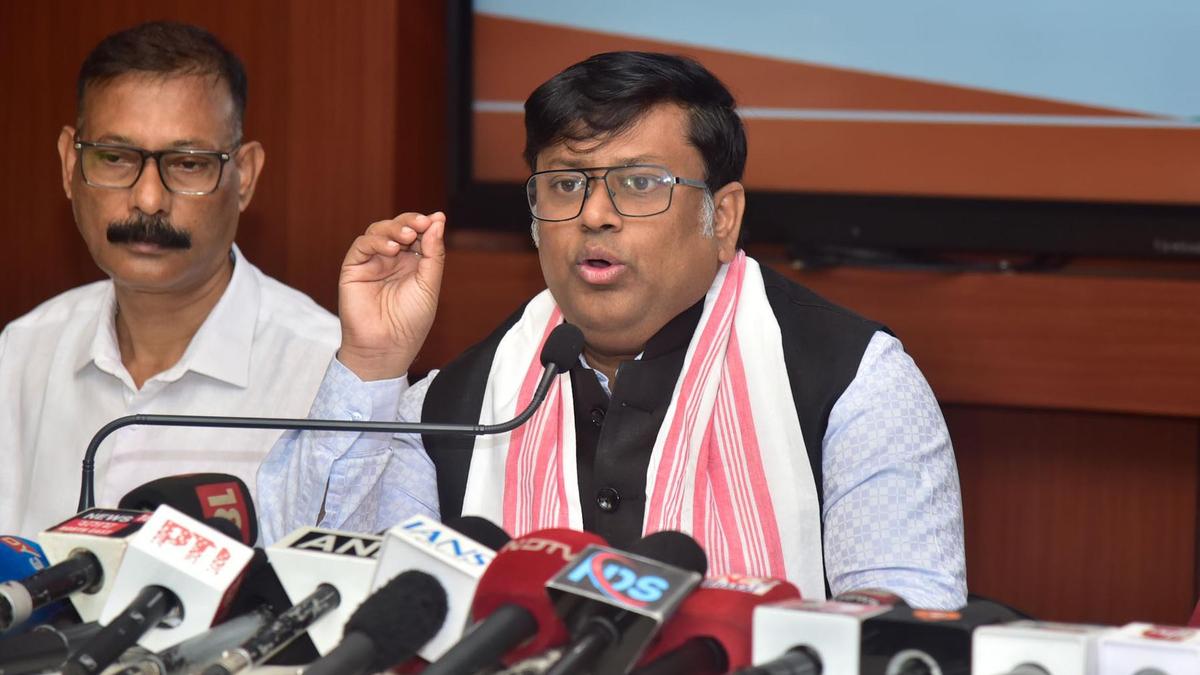
The West Bengal government intends to appoint coordinators for all 209 wards in Kolkata, Union Minister Sukanta Majumdar has said, The Hindu reported. The statement, as headlined, presents the plan as covering every ward in the city rather than a limited set of neighbourhoods.
The account available from that report identifies Majumdar as the person conveying the government’s intention and fixes the scale at 209 wards. It does not, in the summary at hand, reproduce a lengthy quotation, a government order, or a timetable.
Kolkata is the capital of West Bengal and the state’s largest city. Day-to-day civic administration in the city is organised in part through wards, the local units through which municipal representation and many neighbourhood services are arranged.
A scheme spanning all 209 wards would, if put into effect, reach across the city. The ward total is taken from the report of Majumdar’s statement. This article does not independently confirm that count or any ward map attached to the proposal.
Ward-level coordinators are often discussed in Indian cities as a local point of contact for residents dealing with departments that handle roads, water, waste, health outreach, and complaints. The Hindu report, as reflected in the material here, does not say which of those tasks the Kolkata posts would carry, or whether their role would be narrower.
It is also unclear from the available account whether the coordinators would be regular government staff, people named for a fixed period, or another kind of appointee, and how they would sit alongside elected municipal representatives. Those questions shape accountability and how residents would be expected to use the posts.
Majumdar is identified in the report as a Union minister. The summary does not describe a formal notification from the state government, a budget, eligibility rules, or a date when appointments would begin. Until those documents appear, the move remains a stated intention rather than a fully specified programme.
State governments sometimes turn to ward-level coordination when they want a single local contact during sanitation drives, welfare enrolment, or public-health work. Whether the Kolkata proposal follows any of those patterns is not stated in the account summarized here.
For residents, the practical meaning of the plan depends on who chooses the coordinators, what authority they hold, and whether the arrangement supports the existing municipal structure. None of those points is answered in the material drawn from The Hindu’s report.
Further clarity rests on a fuller official account and on reporting beyond the headline. What is established so far is the government’s stated plan, attributed to Sukanta Majumdar, to place a coordinator in each of Kolkata’s 209 wards. Selection, duties, funding, and timing remain undescribed in the source available here and should be treated as not yet set out.
Primary source: Google News West Bengal. Newzly rewrites and structures source reporting for clarity; verify critical details at the original.