West Bengal to Survey Transit Routes Ahead of 435-Vehicle WBTC Fleet Expansion
The West Bengal transport department is surveying commuter demand and route infrastructure across Kolkata and nearby suburbs before inducting 435 new electric, CNG, and diesel buses into the WBTC fleet.
In this piece
West Bengal is conducting a comprehensive route survey before adding 435 new vehicles to the West Bengal Transport Corporation fleet. The expansion includes 152…
The West Bengal transport department has initiated a comprehensive survey of bus routes across the state before inducting 435 new vehicles into the West Bengal Transport Corporation fleet. The assessment is designed to map passenger movement, peak-hour rush, and road infrastructure constraints to ensure efficient fleet deployment. State officials aim to deploy the new buses based on data-driven commuter patterns rather than arbitrary allocations.
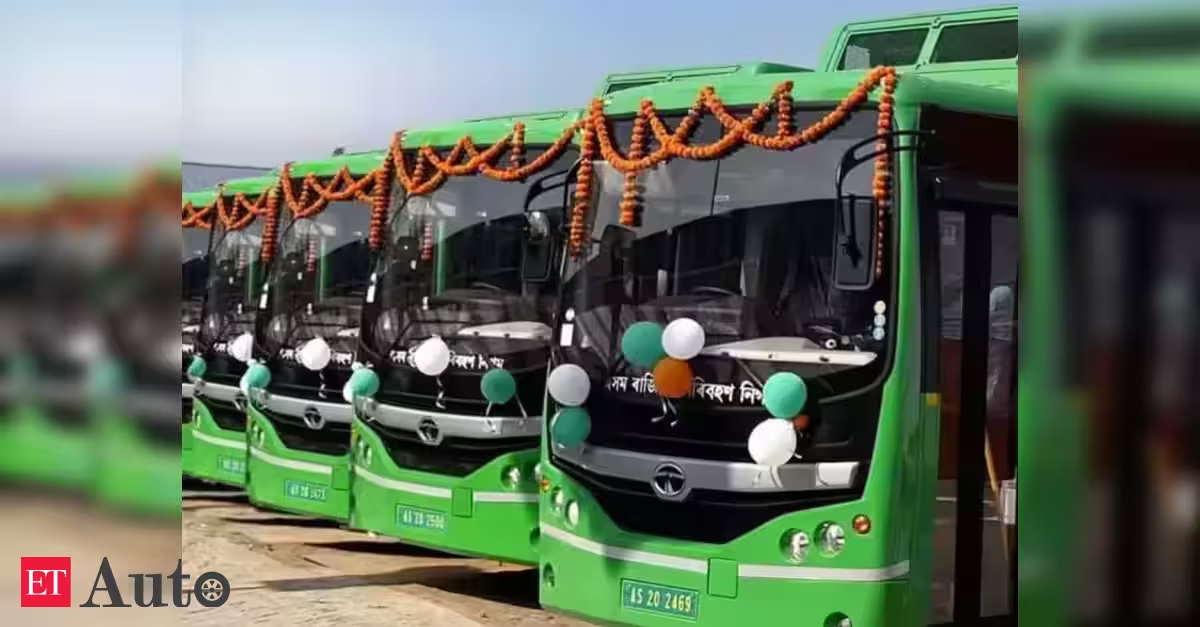
According to transport department plans, the incoming fleet will feature a substantial shift toward cleaner mobility options. The order includes 152 air-conditioned electric buses, led by 40-seater models intended for dense urban routes, alongside 206 non-air-conditioned compressed natural gas vehicles. The induction also incorporates 40 non-AC diesel midi buses suited for narrow thoroughfares, as well as 37 luxury Volvo coaches, including four sleeper buses for long-distance travel.
The ongoing route survey focuses heavily on the Kolkata metropolitan area and adjacent suburban networks, including Howrah, Salt Lake, and New Town. Field teams are analyzing passenger loads across major transit corridors to determine ideal vehicle sizes and service frequencies for each route. The study also evaluates physical constraints such as turning radiuses, congestion bottlenecks, and road widths that could impede larger standard buses.
The fleet expansion comes at a critical juncture for state-run public transport in West Bengal. WBTC has grappled with reduced operational strength in recent years following the mandatory phasing out of commercial vehicles older than 15 years and frequent maintenance breakdowns among aging stock. These fleet contractions have left commuters grappling with extended wait times and overcrowded services during peak commuting hours.
A major objective of the survey is identifying suburban and arterial routes that were either curtailed or completely withdrawn due to vehicle shortages. Authorities are reviewing whether the incoming midi buses and CNG fleet can effectively revive connectivity between peripheral residential neighborhoods and commercial centers.
The transport department is also aligning route deployment with Kolkata's evolving rapid transit map. Several corridors, including major IT hubs and developing suburbs, still lack seamless direct connectivity to operational Metro stations. By positioning the new buses as reliable feeders and trunk services, planners hope to bridge these last-mile and intermediate public transit gaps.
The heavy emphasis on electric and CNG models reflects broader efforts to curtail vehicular emissions and manage escalating fuel expenditures. Operating conventional diesel buses in dense urban settings has imposed heavy financial costs on state transport undertakings while worsening air pollution. Transitioning a significant share of the urban fleet to electric and alternative fuel platforms is expected to yield both environmental and operational efficiencies over time.
Deploying such a diverse fleet requires targeted infrastructural readiness, particularly for the incoming battery-powered buses. Transport authorities are examining depot capacities to support overnight charging and maintenance routines for the 152 electric vehicles. Similar logistical arrangements are being assessed to secure adequate CNG refueling access along assigned routes.
Officials indicate that the final allocation of the 435 buses will be determined once survey findings are compiled and reviewed by senior department leadership. Phased inductions are expected to commence following the completion of route assessments and delivery schedules. The initiative represents one of the largest single-phase additions to state-run transport in recent years, aiming to restore passenger trust in public bus services.
Primary source: Google News West Bengal. Newzly rewrites and structures source reporting for clarity; verify critical details at the original.