world·West Virginia·Kanawha County
West Virginia Legislature Investigates Cyber Incident After Systems Taken Offline
A suspected ransomware incident forced the West Virginia Legislature to shut down its website and internal computer networks, prompting a multi-agency forensic investigation as officials work to restore operations.
In this piece
The West Virginia Legislature took internal IT networks and its public website offline following a suspected ransomware cyber incident. Outside forensic…
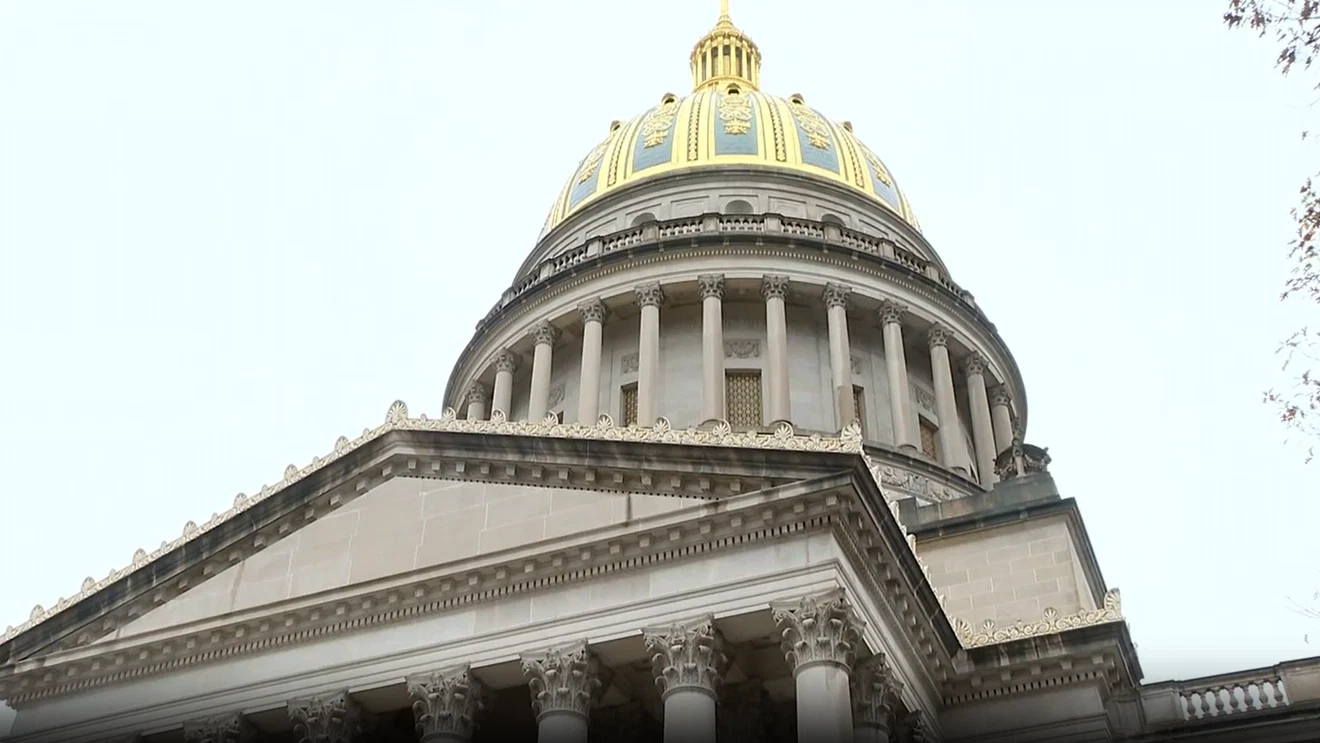
The West Virginia Legislature experienced a significant cybersecurity disruption that forced officials to take internal information technology networks and public digital services offline. Legislative IT personnel identified anomalous network traffic and suspicious behavior pointing toward a potential ransomware incident, prompting an immediate containment lockdown of core digital infrastructure. The incident interrupted several routine technical operations across the legislative branch at the State Capitol in Charleston.
The emergency protective shutdown temporarily disabled the official legislative portal, wvlegislature.gov, leaving lawmakers, staff, and citizens temporarily unable to review bill texts or committee calendars. Technical administrators also disabled shared digital workstations, remote access portals, and selected internal communications tools to halt any lateral movement of the intrusion across government networks. Staff members were advised to refrain from accessing internal shared drives while initial threat assessments were carried out.
Ann Ali, deputy chief of staff and communications director for the West Virginia House of Delegates, confirmed the incident and emphasized that the disruption appeared isolated strictly to legislative systems. She noted that monitoring data showed no evidence indicating that executive branch departments, constitutional state offices, or other independent agencies were affected by the cyber event. Officials stressed that internal isolation measures were taken out of an abundance of caution to shield adjacent state infrastructure.
To accelerate incident containment and technical recovery, legislative leadership contracted multiple external cybersecurity and legal specialists. The state enlisted digital forensics experts from Charles River Associates and remediation specialists from Alvaka to analyze the intrusion and rebuild impacted network segments. In addition, attorneys from Clark Hill Law were retained to guide incident response compliance and forensic data handling.
Despite the severe network restrictions, legislative personnel and administrative teams continued conducting government operations through offline workflows and alternative communication channels. Essential legislative business and preparations for future committee meetings proceeded without full operational halts inside the State Capitol complex. Technicians spent the immediate aftermath auditing endpoint devices and inspecting digital access logs across every legislative department.
State legislative assemblies and municipal governments nationwide have increasingly become focal points for opportunistic cybercriminals deploying ransomware and extortion tactics. Public administrative bodies often manage large volumes of public records alongside sensitive bill drafting documents, research materials, and confidential personnel information. The West Virginia incident underscores the persistent vulnerabilities that public institutions face against evolving digital threat actors.
Investigators have not yet disclosed whether unauthorized actors managed to exfiltrate proprietary data, constituent records, or sensitive legislative communications during the initial penetration. Forensic analysts must typically review gigabytes of system telemetry and disk images before reaching definitive conclusions regarding data loss or identity exposure. State authorities maintained that thorough forensic verification is necessary before any conclusions regarding stolen records can be confirmed.
Technical recovery specialists are following a phased remediation roadmap designed to clean, test, and reintroduce isolated servers into the production network. Digital workstations and server nodes are being individually scrubbed and verified to ensure no persistent backdoors or malicious binaries remain embedded in legislative systems. Leaders indicated that network connections will only be reactivated once cybersecurity consultants issue complete clearance.
State officials have pledged to provide regular updates to lawmakers and the public as forensics teams conclude their analysis and restoration milestones are reached. The disruption is expected to spur renewed discussions regarding legislative IT budgets and infrastructure resilience ahead of the upcoming legislative calendar. For now, cybersecurity teams remain focused on safeguarding core state data assets and returning all public services safely online.
Primary source: Google News West Virginia. Newzly rewrites and structures source reporting for clarity; verify critical details at the original.