What Investors Should Weigh Following Boeing's Latest Financial Report
Boeing investors are weighing operational recovery against balance sheet pressures following the aerospace giant's latest financial report, as market analysts assess delivery schedules, cash flow generation, and long-term valuation prospects.
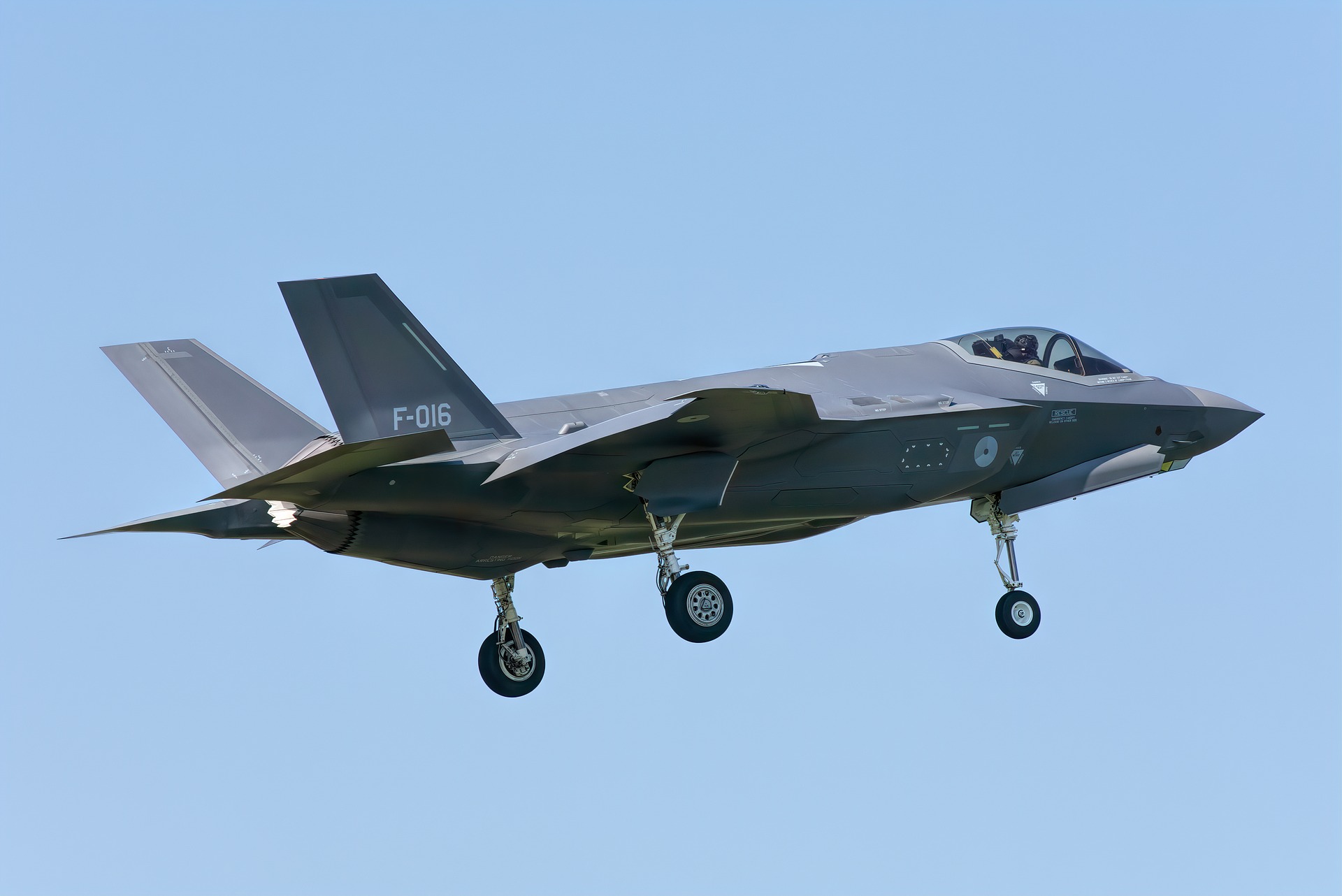
Boeing shareholders are evaluating the aerospace manufacturer's strategic trajectory following the release of its latest performance report, as Wall Street analysts assess operational recovery and long-term valuation prospects. The publication of updated corporate filings has prompted market observers to re-examine the company's financial footing amid ongoing industrial and regulatory scrutiny. For investors tracking the aerospace giant, the primary focus centers on manufacturing cadence, balance sheet resilience, and commercial delivery timelines.
The aerospace heavyweight has spent recent quarters navigating persistent supply chain friction and rigorous oversight across its commercial aviation and defense segments. Financial analysts monitoring commercial aircraft production consistently point to delivery volumes and free cash flow as critical indicators of operational health. A fresh corporate filing offers institutional and retail shareholders an updated benchmark to measure progress against longstanding production targets.
Equity markets typically scrutinize Boeing's filings for updates on delivery schedules, inventory backlogs, and margin trends across key manufacturing programs. With commercial aviation demand remaining structurally resilient, investors are weighing how efficiently aircraft assemblies can translate into sustained cash generation. Shareholder sentiment often hinges on whether reported milestones demonstrate steady stabilization or highlight ongoing factory floor bottlenecks.
The interplay between Boeing's commercial airplanes unit and its defense, space, and security operations represents another vital consideration for market participants. While commercial operations grapple with regulatory audits and supplier pacing, defense contracts often face firm-fixed-price cost pressures in inflationary environments. Analysts reviewing broad operational reports emphasize that execution across both divisions remains essential for overall balance sheet restoration.
Capital structure management remains a central pillar of any thorough assessment of Boeing's long-term investment profile. Prolonged production halts and operational adjustments in past cycles required substantial borrowing, leaving leverage ratios elevated relative to historical averages. Investors reading through financial disclosures closely examine debt maturities, liquidity reserves, and management's commitment to returning capital versus paying down liabilities.
The broader debate among market researchers centers on the fair valuation multiple that should be applied to Boeing during a multi-year turnaround phase. Independent research firms and market desks regularly evaluate whether current equity prices fully discount execution risks or undervalue long-term order books. Variations in analytical models frequently reflect diverging expectations regarding delivery ramp rates and operating profit margins over the coming years.
Global airline demand for new, fuel-efficient jetliners continues to provide an expansive order backlog for the global aerospace duopoly. However, turning that backlog into profitability requires seamless coordination with engine makers, avionics suppliers, and structural component fabricators. Market observers note that any disruption within tier-one suppliers can ripple into delayed customer handovers, influencing investor sentiment across the sector.
Moving forward, Boeing shareholders will be monitoring subsequent delivery logs, regulatory certifications, and corporate commentary to verify whether operational benchmarks are being achieved. Financial advisory firms and market analysts advise investors to focus on underlying operational metrics rather than short-term headline volatility. The ultimate trajectory of the stock will depend on sustained factory stability, predictable delivery schedules, and disciplined cash management in the quarters ahead.
Primary source: Yahoo Finance Markets. Newzly rewrites and structures source reporting for clarity; verify critical details at the original.