Why Direct-to-Consumer Beef From Wyoming Ranchers Carries a Premium Price Tag
Consumers seeking to bypass supermarket meat counters by purchasing directly from Wyoming ranchers frequently encounter higher retail prices, driven by processing bottlenecks, smaller production volumes, and rising operating costs across the Mountain West.
In this piece
Purchasing beef directly from Wyoming ranchers often costs more than shopping at conventional grocery stores, despite eliminating traditional middlemen.…
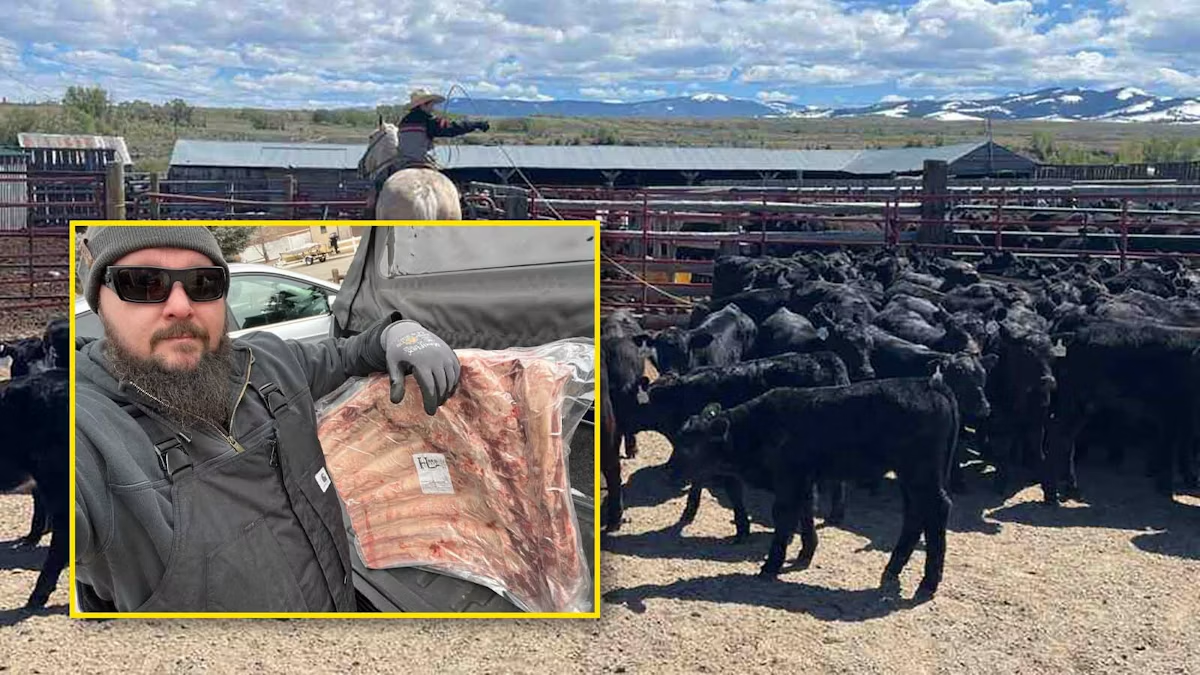
Shoppers looking to purchase beef directly from local ranchers in Wyoming often expect significant savings by cutting out commercial distributors, but they frequently encounter price tags higher than those found in grocery store meat aisles. While buying meat straight from the pasture is increasingly popular among consumers seeking fresh, traceable food, economic realities across the regional supply chain keep local beef priced at a premium.
Conventional supermarket chains benefit from vast commercial economies of scale that independent agricultural producers simply cannot match. Major grocery retailers purchase and distribute beef in staggering nationwide volumes, enabling them to negotiate lower wholesale rates and absorb thin margins on individual cuts of meat. In contrast, family-owned ranches operate on comparatively modest production schedules, spreading fixed overhead costs across a far smaller volume of cattle.
A primary driver behind the higher price of direct-to-consumer beef is the severe bottleneck in regional meat processing. Under federal guidelines, ranchers selling packaged meat directly to retail buyers must utilize processing facilities inspected by the United States Department of Agriculture. Throughout Wyoming and much of the rural West, small-scale USDA-inspected slaughterhouses and meat lockers remain scarce, leaving local cattle producers with limited options.
Because these regional processing facilities handle smaller volumes, their per-animal operational costs are considerably higher than industrial packing plants in major meatpacking hubs. High inspection compliance expenses, specialized labor demands, and limited throughput force independent processors to charge substantial slaughtering, cutting, and packaging fees. Ranchers must absorb these expenditures before bringing their meat to market, inevitably passing the added expense on to retail customers.
Elevated on-ranch expenses have added further upward pressure to direct retail beef pricing. Cattle producers face steep ongoing expenditures for supplemental winter feed, veterinary care, pasture leases, and diesel fuel required to maintain daily operations. As broader inflationary pressures increase the cost of ranch inputs across the state, agricultural producers must set retail prices that cover both basic maintenance and the financial risk of raising livestock over multiple seasons.
Consumer purchasing habits also shape the financial equation of direct ranch sales. When customers purchase beef in bulk, such as by the quarter, half, or whole carcass, they pay a uniform hanging weight price that covers all cuts from prime steaks to ground beef. Supermarkets, by contrast, can adjust retail margins dynamically across individual cuts, subsidizing cheaper everyday cuts by marking up premium items like ribeyes and tenderloins.
Direct ranch sales also require specialized packaging and prolonged cold storage that typical live-cattle sales do not entail. Vacuum sealing, flash freezing, and commercial freezer maintenance represent persistent overhead costs for ranchers managing their own inventory. These logistical demands ensure that selling beef directly to households functions more like operating an artisanal retail boutique than running a traditional livestock trade.
For Wyoming consumers, the decision to buy direct often centers on food provenance, product quality, and local economic support rather than immediate cost savings. Direct purchases keep agricultural revenue circulating within rural communities and offer buyers transparency regarding how cattle were raised and finished. However, the premium cost keeps direct ranch meat positioned as a specialty product rather than an accessible budget alternative for everyday household budgets.
Industry observers note that meaningful price reductions for direct-to-consumer beef are unlikely without broader structural investments in regional processing infrastructure. Expanding local meatpacking capacity and supporting independent processors could eventually reduce per-head butchering fees across the state. Until those supply chain constraints ease, buying directly from Wyoming pastures will remain a value proposition defined by supporting local agriculture rather than beating grocery store prices.
Primary source: Google News Wyoming. Newzly rewrites and structures source reporting for clarity; verify critical details at the original.