Why Drivers Are Calling for Cheap, Low-Tech Cars Again
Mounting frustration over soaring vehicle prices, digital subscriptions, and distracting touchscreen interfaces has spurred renewed consumer demand for simpler, more affordable automobiles built without excessive digital bloat.
In this piece
A growing segment of car buyers is pushing back against software-heavy cockpits, complicated automated features, and record-high sticker prices. Instead,…
A growing backlash against modern vehicle complexity is prompting drivers to reconsider the appeal of simpler, low-tech automobiles. As automakers pack new models with massive touchscreens, automated driver assistance systems, and recurring software subscriptions, a vocal segment of motorists is actively seeking basic, reliable transportation that eschews excessive digital features.
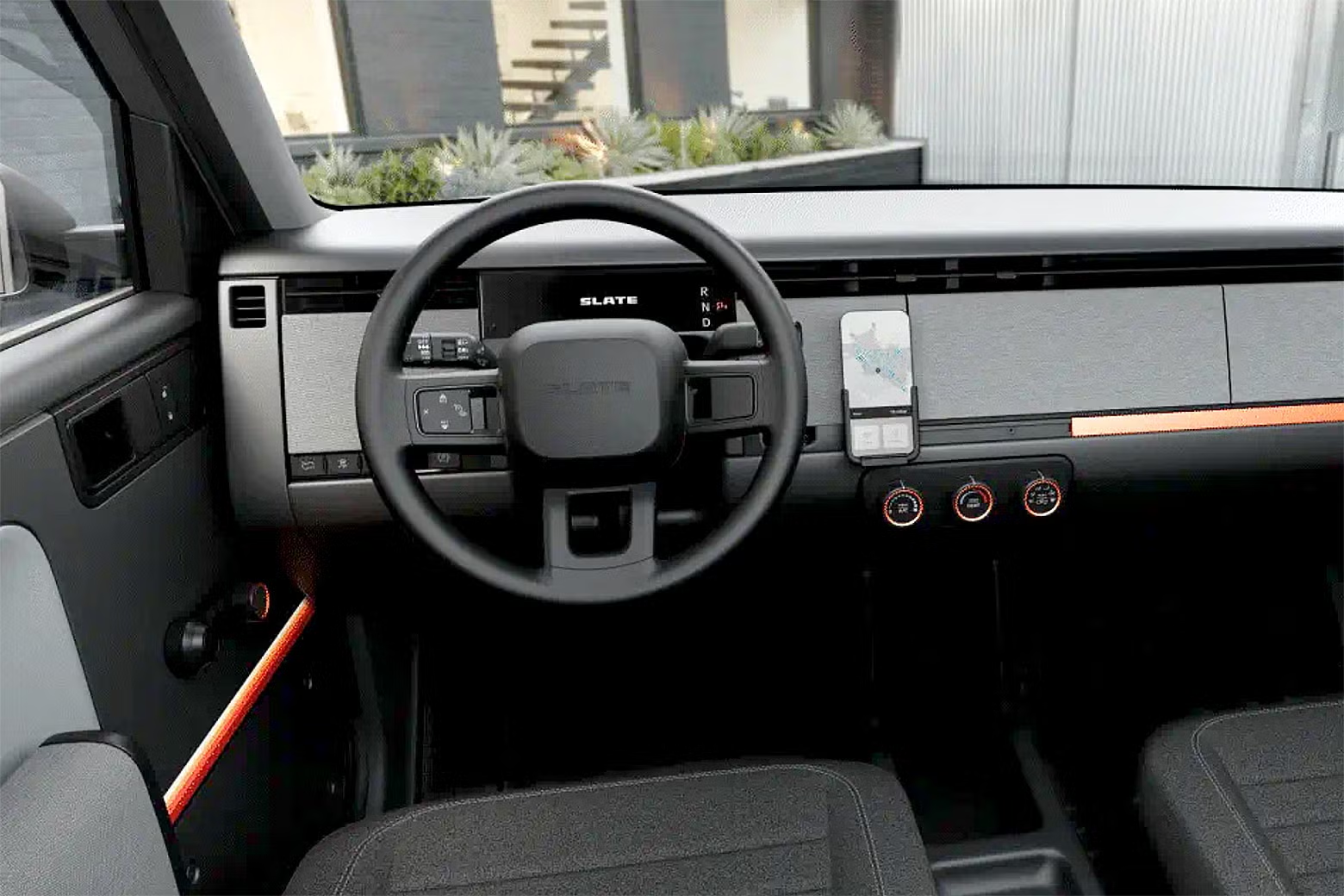
For years, the global automotive industry has pursued rapid technological transformation, turning traditional cockpits into software-driven environments. What manufacturers framed as futuristic luxury has increasingly introduced friction into everyday driving, replacing intuitive physical knobs and buttons with complicated digital menus. For many commuters, navigating nested screen interfaces to perform routine tasks like adjusting cabin temperature or changing radio stations has turned routine driving into a distracting chore.
Alongside technological complexity, financial pressures have compounded consumer dissatisfaction with the contemporary automobile market. The relentless addition of microchips, sensor suites, and software architectures has steadily pushed new vehicle prices higher across nearly every market segment. As budget-friendly entry-level models disappear from dealership lots, buyers searching for straightforward, economical commuting options find themselves with far fewer choices than in decades past.
The hidden operational costs associated with software-centric vehicles have also intensified interest in simpler alternatives. Advanced electronic modules, delicate sensor networks, and proprietary diagnostic code make post-warranty repairs significantly more challenging and expensive for independent mechanics. For vehicle owners accustomed to performing basic maintenance at home, the shift toward digitized architecture represents a loss of self-reliance and predictable ownership expenses.
Software fatigue extends beyond physical controls and mechanical durability into concerns over data privacy and consumer autonomy. Modern connected cars continuously collect telemetry, location tracking, and driver behavior data, prompting unease among privacy-conscious motorists. Furthermore, the advent of subscription-based models for hardware features like heated seats or remote start functionality has left many drivers frustrated by the prospect of paying ongoing fees for equipment already installed in their vehicles.
Human-factor specialists and highway safety advocates have increasingly voiced skepticism regarding the ergonomics of fully digital car interiors. Physical buttons and mechanical dials allow motorists to adjust vital controls via tactile memory without taking their eyes off the road ahead. In contrast, complex interactive displays demand cognitive focus and visual attention, raising fundamental questions about whether cabin digitization genuinely enhances the driving experience.
The renewed interest in uncomplicated automobiles highlights a fundamental disconnect between corporate design priorities and everyday driver necessities. While automakers have heavily invested in software differentiation and higher-margin digital features, a substantial demographic prioritizes longevity, durability, and practical utility. For these consumers, an automobile remains primarily a practical tool for commuting rather than an entertainment hub or computational platform.
Addressing this latent demand presents both operational challenges and strategic opportunities for the automotive manufacturing sector. Reintroducing entry-level, mechanically straightforward vehicles could open valuable market share among price-sensitive and tech-weary drivers. However, stringent global regulatory standards covering crash safety, emissions compliance, and mandatory active safety tech make stripping vehicles down to historical baselines complex and costly.
As discussions across automotive forums and industry observers continue to gain traction, automakers face growing pressure to strike a more thoughtful balance between modern innovation and timeless utility. Whether manufacturers choose to reintroduce dedicated physical buttons and stripped-down trim levels will determine how effectively they retain practical-minded motorists. For now, the rising enthusiasm for affordable, low-tech cars serves as a clear reminder that for many drivers, simplicity remains the ultimate asset.
Primary source: Hacker News. Newzly rewrites and structures source reporting for clarity; verify critical details at the original.