Why the 2026 GOTY Race Could Pose New Challenges for Indie Games
Controversy surrounding artificial intelligence in Big Walk threatens to reverse critical momentum indie titles built through acclaim for projects like Clair Obscur and Silksong.
In this piece
Independent gaming could face an uphill battle in the 2026 Game of the Year race following controversies linked to Big Walk. While recent breakthroughs by Clair…
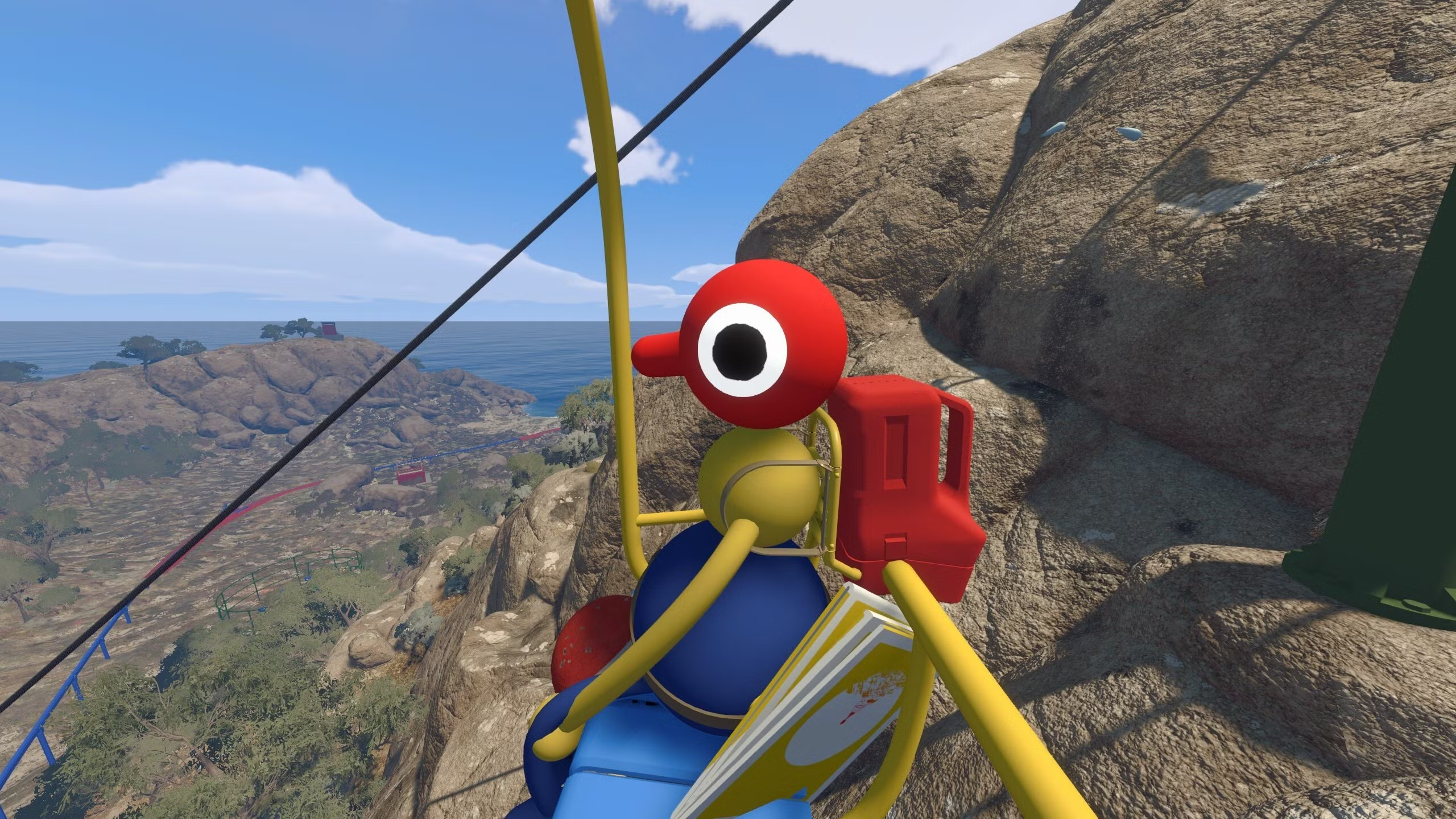
The upcoming 2026 Game of the Year conversation is showing early signs of turbulence for independent developers, according to analysis by Polygon. Emerging debates surrounding the use of artificial intelligence in upcoming independent projects, particularly Big Walk, have cast an unexpected shadow over the sector's awards momentum.
Big Walk, an anticipated cooperative title, has found itself at the center of growing community scrutiny regarding artificial intelligence. Critics and observers suggest that friction over emerging technology could complicate how such titles are received by both voters and players during critical year-end assessments.
This dispute arrives at a particularly delicate juncture for independent game studios. Recent award cycles, highlighted by prominent showings from ambitious independent projects like Clair Obscur and Silksong at The Game Awards, demonstrated that smaller and mid-sized productions could compete directly against massive corporate releases.
Those critical achievements had fueled widespread optimism across the industry. Observers frequently pointed to the praise garnered by standout titles as proof that originality, artisanal craft, and player goodwill could reliably outshine multi-million-dollar production budgets.
The growing focus on artificial intelligence, however, introduces unpredictable friction into awards discourse. The integration of automated tools into creative development workflows has become one of the most polarizing issues among gamers and creative professionals alike.
Because independent releases depend heavily on reputations for authentic artistic expression, technological controversies risk alienating the vocal advocates who typically champion them. When creative methods draw public backlash, critical consensus can rapidly fracture.
Polygon's assessment highlights that such controversies could cause the indie sector to take a perceptible step backward during the 2026 awards race. Rather than celebrating creative triumphs, discussions may instead become bogged down by disputes over production ethics and technological adoption.
For developers navigating an increasingly crowded marketplace, maintaining player trust remains paramount. Industry analysts note that smaller studios lack the expansive marketing budgets that allow established publishers to absorb prolonged public relations headwinds.
As the 2026 awards calendar approaches, the wider video game industry will be watching closely to see how voters and audiences respond. Whether independent games can preserve their recent critical gains will likely depend on how studios address ongoing community concerns surrounding new technologies.
Primary source: Polygon. Newzly rewrites and structures source reporting for clarity; verify critical details at the original.