Why Visitors Should Experience Washington, D.C.'s Vibrant Sports Culture
Tourism officials in Washington, D.C., are urging visitors to embrace the city's vibrant sports culture, highlighting downtown stadiums and passionate local rivalries as a vital complement to traditional monuments and museums.
In this piece
Washington, D.C. tourism promoters are highlighting the capital's dynamic sports culture to encourage visitors beyond federal monuments. Centrally located…
Tourism officials in Washington, D.C., are placing a renewed spotlight on the capital's vibrant sports landscape, encouraging travelers to explore the city beyond its traditional monuments and federal institutions. A promotional guide highlighted by official tourism platform Washington.org emphasizes that engaging with the District's athletic culture offers visitors an authentic window into local community life and civic pride. By highlighting game-day traditions, hospitality leaders aim to showcase a dynamic side of the metropolis that visitors often overlook during standard museum visits.
The District boasts a comprehensive sports portfolio, featuring premier franchises across major professional leagues, including baseball, basketball, ice hockey, and soccer. Rather than relying solely on visiting delegations and school field trips, the city's athletic calendar provides consistent year-round programming for traveling sports fans. These continuous fixtures offer travelers compelling evening and weekend entertainment options that complement daytime sightseeing schedules.
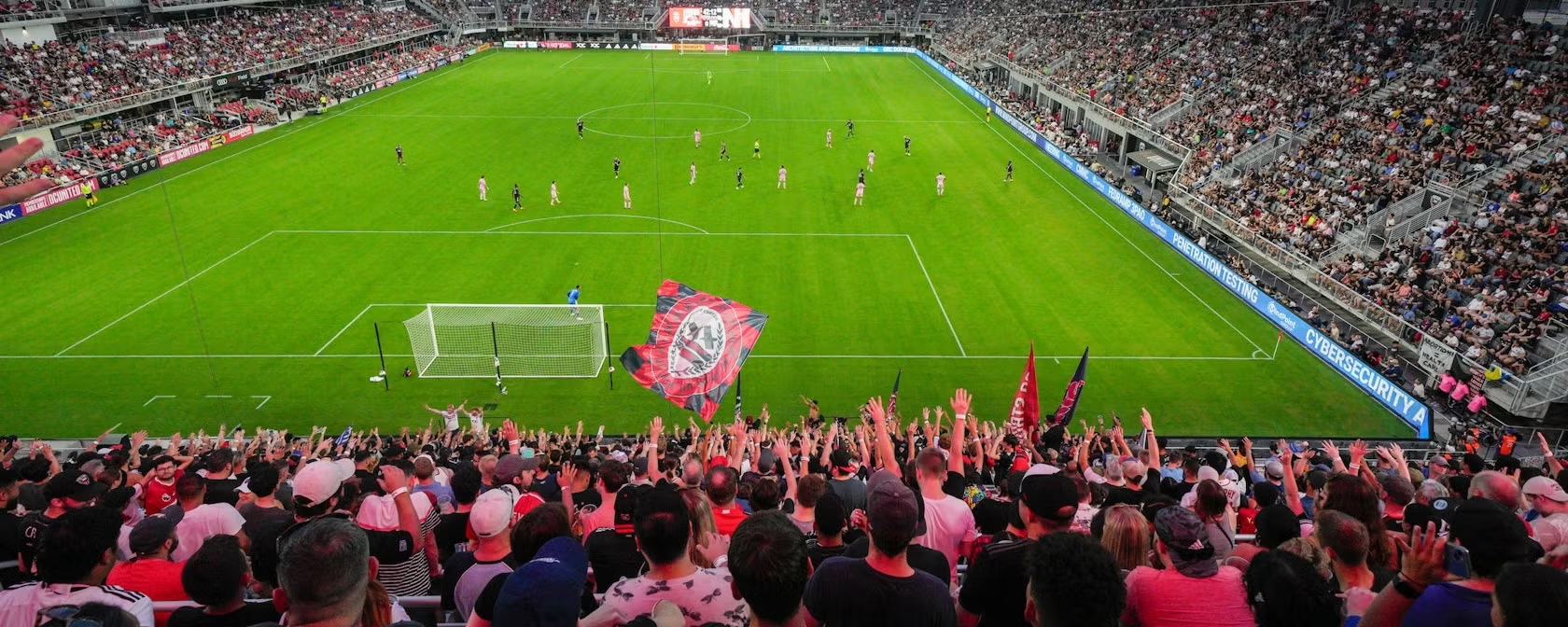
A distinguishing feature of Washington's sports landscape is the strategic placement of its major arenas within walkable, transit-accessible urban corridors. Unlike many metropolitan areas where stadiums are isolated in distant suburban parking lots, venues such as Capital One Arena sit directly in the heart of downtown. Similarly, modern facilities like Nationals Park and Audi Field have served as major anchors in revitalizing the Capitol Riverfront and southwest waterfront areas.
This urban integration enables visitors to seamlessly pair attending a match with broader cultural exploration, dining, and nightlife. Fans can easily transition from exploring historic neighborhoods and national memorials to congregating at lively restaurants and entertainment hubs surrounding the stadiums. Consequently, sports tourism serves as a powerful catalyst for local commerce, funneling visitor spending directly into independent neighborhood businesses.
Beyond economic impacts, the capital's sports identity reflects a deeply dedicated and diverse local following. In a federal city often characterized by transient populations and political debate, sports franchises have long provided rare communal touchpoints that unite long-term residents and newcomers alike. Experiencing this shared energy in person allows travelers to connect with the authentic heartbeat of the residential city.
Tourism advocates also observe that modern travelers increasingly seek immersive lifestyle experiences rather than conventional spectator activities. Experiencing Washington's sports culture involves engaging with neighborhood traditions, from joining pre-game gatherings at local pubs to riding public transit alongside generations of passionate season ticket holders. These shared rituals create memorable, community-centered experiences that resonate far beyond the final score.
The District's athletic profile is further elevated by its prominent support for women's professional sports leagues, offering some of the country's most competitive championship basketball and soccer. This inclusive sporting environment appeals directly to families and modern sports enthusiasts seeking diverse competition. The presence of world-class women's franchises has broadened the city's appeal, setting a benchmark for athletic representation nationwide.
For regional hospitality organizers, promoting sports tourism is a crucial strategy to balance leisure travel cycles throughout the calendar year. While landmark tourism typically peaks during the spring and summer months, athletic fixtures generate sustained hotel demand, restaurant reservations, and retail sales during shoulder seasons and winter weekends. This steady economic foundation helps sustain service industry employment across the District.
Looking ahead, tourism leaders intend to further integrate sporting itineraries into promotional campaigns as Washington prepares for upcoming regional tournaments and ongoing venue enhancements. By positioning athletic enthusiasm as an integral facet of the capital's heritage, official travel initiatives aim to ensure that sporting culture remains a durable pillar of the District's global visitor appeal.
Primary source: Google News District of Columbia. Newzly rewrites and structures source reporting for clarity; verify critical details at the original.