Why Your Stomach Swells After Meals: The Critical Difference Between Gas and Bloating
Post-meal stomach swelling is often mistaken for routine gas, but health experts warn that chronic bloating stems from specific digestive triggers and delayed gut transit that require targeted dietary adjustments.
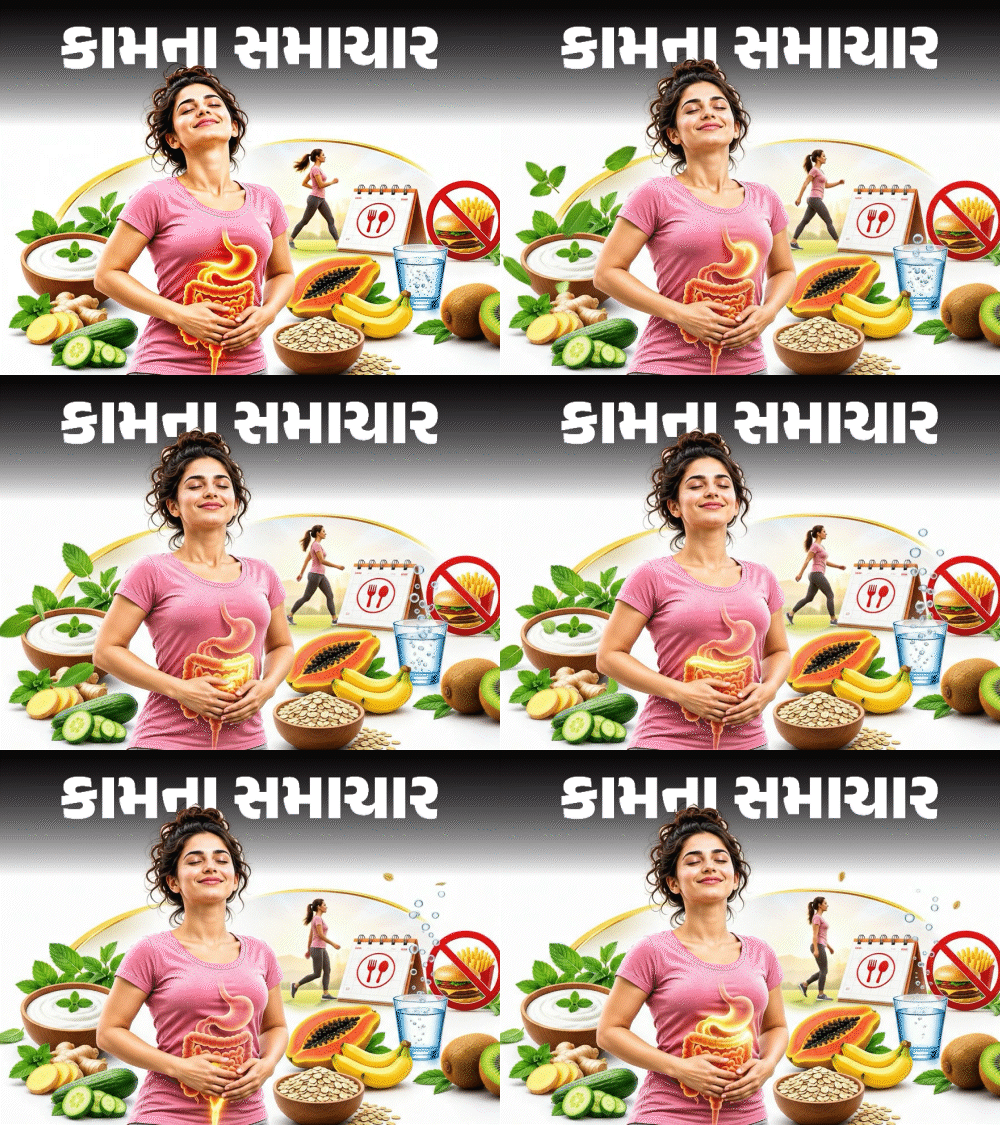
In this piece
Abdominal distension after eating is frequently caused by bloating rather than everyday gas. Foods such as cruciferous vegetables, legumes, and carbonated…
Persistent abdominal distension after eating is increasingly recognized as a distinct gastrointestinal condition rather than routine stomach gas, according to a health report published by Divya Bhaskar Lifestyle. The report highlights that frequent post-meal bloating often stems from specific dietary triggers and disrupted digestive processes that cause the abdomen to visibly swell and feel uncomfortably tight. For many individuals, this fullness occurs almost immediately following meals, creating sensations similar to an inflated balloon.
While standard intestinal gas is a normal physiological byproduct of digestion, clinical bloating involves trapped air, fluid retention, or delayed gastric emptying that produces noticeable physical pressure. Health specialists emphasize that distinguishing between everyday flatulence and chronic bloating is critical for addressing underlying digestive sensitivities. Misunderstanding the symptoms often leads people to overlook dietary habits that actively aggravate the condition.
A primary dietary culprit behind post-meal distension is the routine consumption of complex carbohydrates that resist easy breakdown in the small intestine. In particular, cruciferous vegetables such as cabbage, cauliflower, and broccoli contain raffinose, a complex sugar that produces significant gas during colonic fermentation. Similarly, legumes, lentils, and beans can challenge digestion unless they are properly soaked and prepared with traditional carminative spices.
Carbonated beverages and heavily processed meals also rank high among the leading drivers of sudden stomach swelling. Fizzy sodas directly introduce large volumes of dissolved carbon dioxide into the gastrointestinal system, resulting in rapid abdominal expansion. In addition, deep-fried and greasy foods significantly slow stomach emptying, forcing the digestive tract to work harder and leaving meals sitting longer in the gut.
Beyond specific food ingredients, everyday behavioral habits during dining play an equally substantial role in digestive health. Rushing through meals or talking while chewing causes aerophagia, a condition in which people inadvertently swallow excess pockets of air. This swallowed air rapidly accumulates in the upper digestive tract, intensifying feelings of pressure before digestion has properly begun.
Fluid consumption patterns around mealtime can also impair normal digestive efficiency. Health guidelines highlighted in wellness analyses caution that drinking large quantities of water during or immediately after eating tends to dilute vital stomach acids and enzymes. When these digestive secretions become diluted, the stomach requires more time and effort to break down food, worsening feelings of sluggishness and bloat.
To alleviate post-meal discomfort, nutrition experts recommend incorporating soothing carminative seeds and enzyme-rich fruits into daily eating routines. Traditional remedies such as chewing fennel seeds or carom seeds with black salt stimulate salivary and digestive juices, aiding the smooth release of trapped gas. Furthermore, fruits such as papaya and pineapple offer natural enzymes like papain and bromelain that accelerate protein digestion.
Simple routine adjustments, including light movement and probiotic intake, offer additional support for intestinal mobility. Taking a brief, ten-minute stroll after dining encourages peristalsis, allowing trapped air to move naturally through the digestive tract rather than stagnating. Incorporating fermented dairy such as fresh curd or spiced buttermilk also helps replenish beneficial gut flora, fostering resilience against chronic bloating.
Medical experts caution that while occasional bloating can generally be managed through dietary changes and mindful eating, persistent symptoms warrant careful monitoring. Health practitioners advise seeking professional evaluation from a gastroenterologist if abdominal swelling is accompanied by sharp abdominal pain, unexplained weight changes, or chronic irregular bowel habits. Comprehensive medical consultations ensure that recurrent distension is not a sign of an underlying gastrointestinal disorder.
Primary source: Divya Bhaskar Lifestyle. Newzly rewrites and structures source reporting for clarity; verify critical details at the original.