Winemakers Turn to Habitat and Soil Conservation to Safeguard Business Bottom Lines
Vineyard operators facing rising temperatures and recurring droughts are discovering that regenerative soil stewardship and native habitat conservation directly bolster balance sheets and safeguard long-term grape yields.
In this piece
As climate volatility threatens global wine yields, producers are shifting away from traditional monoculture toward conservation viticulture. By restoring soil…
Vineyard managers and wine producers are increasingly discovering that ecological conservation is no longer just an environmental ideal, but a commercial necessity. Faced with mounting climate volatility, rising temperatures, and unpredictable precipitation, winemakers are revamping long-standing operational models to integrate biodiversity protection and soil health directly into their core business strategies.
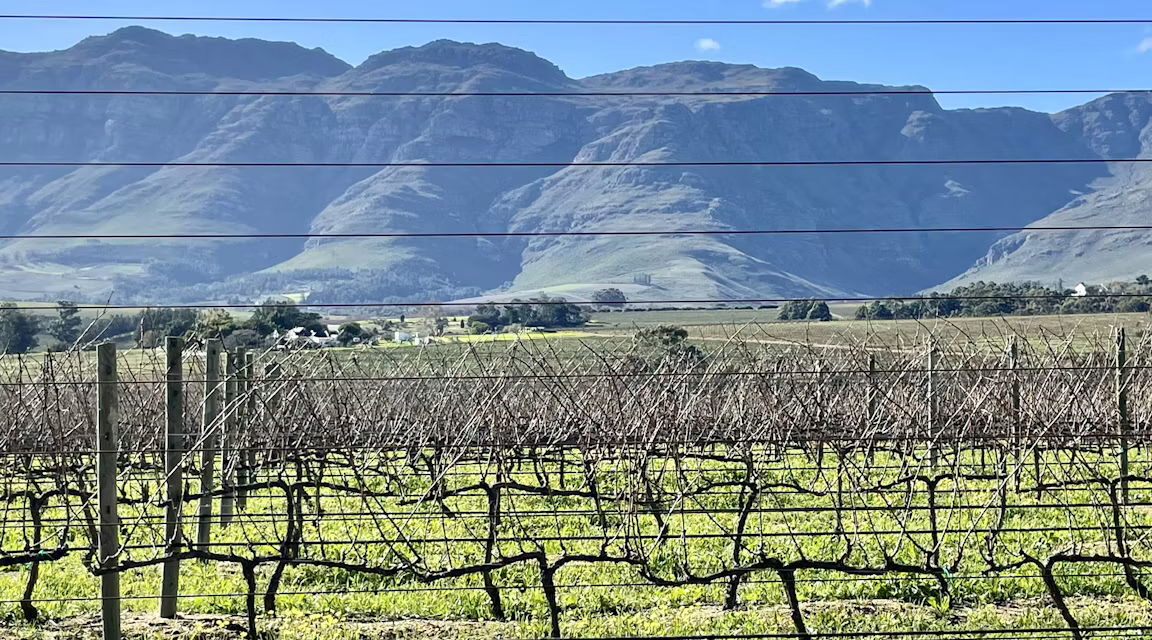
The shift is highlighted in new research tracking sustainable land stewardship in premier viticultural regions, notably across South Africa's Western Cape. Academic researchers, including Hannah V. Herrero and colleagues studying agricultural geography and ecological resilience, have examined how growers in fragile ecosystems are balancing commercial viability with aggressive natural habitat preservation.
For decades, commercial viticulture favored resource-intensive monoculture farming, prioritizing high vine density and heavy reliance on synthetic fertilizers and chemical pesticides. While that approach maximized yields during periods of predictable weather, researchers note that it stripped vineyard soils of natural organic matter and degraded broader regional hydrology.
Those vulnerabilities became acutely evident as global wine regions faced historic droughts, recurring heat domes, and erratic rainfall cycles. In delicate landscapes such as the Cape Floral Kingdom—a globally recognized biodiversity hotspot where many of South Africa's historic estates reside—prolonged dry spells demonstrated that depleted soils could not retain moisture without unsustainable levels of artificial irrigation.
To counter these disruptions, forward-looking viticulturists are adopting regenerative farming techniques that mimic natural ecological functions. Growers are planting permanent cover crops between vine rows, spreading organic mulch to cool topsoil, practicing minimal tillage, and establishing designated corridors of native vegetation to restore biological diversity.
These conservation measures yield immediate practical benefits on the balance sheet. Healthier, living soils dramatically improve water retention during prolonged dry spells, shielding fragile grape clusters from temperature shocks and reducing total water expenditures. Natural predator habitats also lower reliance on expensive chemical sprays by fostering beneficial insects that keep vineyard pests in check.
Beyond farm gates, winemakers are coordinating at the watershed level to protect surrounding catchments from degradation. Cooperative programs in key wine valleys focus on eradicating water-thirsty invasive vegetation that siphons runoff from rivers and heightens catastrophic wildfire risks during arid summer months.
Environmental stewardship also safeguards high-value commercial channels as international retailers and consumers demand verifiable sustainability metrics. Adhering to standards such as South Africa's Integrated Production of Wine certification or joining dedicated biodiversity conservation alliances provides producers with market access, premium pricing power, and protection against evolving regulatory penalties.
Transitioning conventional acreage to conservation-based viticulture remains capital-intensive and requires multiyear patience before regenerated soils yield measurable operational savings. Smaller operations often face financial strain navigating upfront equipment costs and temporary yield fluctuations during the biological recovery period.
Nevertheless, industry analysts and agricultural scientists stress that ecological stewardship will soon define the baseline for wine sector survival. As climate disruptions intensify across wine-producing continents, the estates that treat conservation as an investment rather than an overhead cost are the ones most likely to preserve both their terroir and their profitability.
Primary source: Ars Technica. Newzly rewrites and structures source reporting for clarity; verify critical details at the original.