Wired Commentary Weighs Future of Coding as Artificial Intelligence Advances
A reflective commentary published by Wired questions whether the traditional craft of programming is drawing to a close, spotlighting how rapid advances in automated software generation are reshaping the role of human developers across the technology industry.
In this piece
An essay published by Wired suggests the traditional craft of programming may be facing an existential shift as automated coding tools proliferate. The…
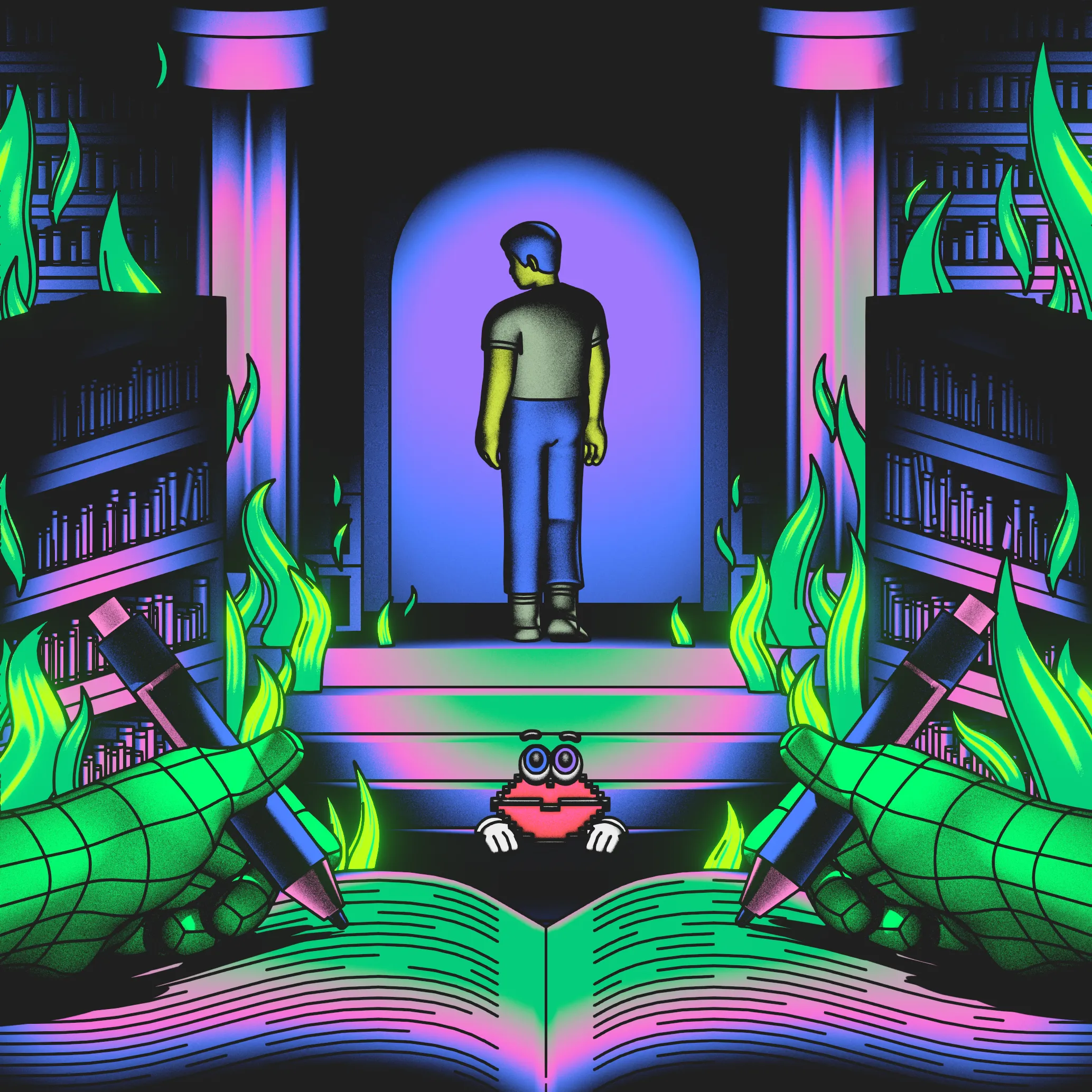
A commentary published by Wired titled "Goodbye, World: The End of Programmers" has brought fresh attention to the uncertain future of writing software by hand. Framed as a final reflection on the craft of coding, the piece captures an intensifying sentiment across the technology sector that manual code authoring may soon be eclipsed by automated systems.
The essay's premise pivots on a symbolic farewell to programming, invoking the iconic "Hello, World" introductory exercise familiar to generations of developers. By suggesting that prolonged discussion about the craft of writing code may itself be nearing obsolescence, the commentary highlights growing anxiety over whether human programmers will remain essential in the software creation lifecycle.
The reflection arrives at a pivotal moment for the technology industry, where modern code generation tools and automated reasoning engines are increasingly capable of drafting complex programs from natural language prompts. Tasks that once required junior engineers to spend hours writing boilerplate syntax, configuring frameworks, and resolving routine dependencies can now be generated within seconds.
Industry observers frequently note that software engineering has continually evolved through cycles of higher abstraction, from machine punch cards and assembly language to modern high-level frameworks. Each previous leap sparked periodic speculation about the decline of developer jobs, yet historically expanded the sheer volume and complexity of software required worldwide.
Despite historical precedents, the current wave of automation is viewed by many practitioners as fundamentally different because it directly targets cognitive and syntactical problem-solving. Rather than simply compiling instructions or speeding up execution, automated models now synthesize logic, debug syntax, and interpret architectural requirements, challenging long-held assumptions about human-exclusive expertise.
This transformation carries significant implications for the global technology workforce and entry-level talent. Educational institutions and corporate training programs built around teaching syntax and line-by-line coding face mounting pressure to adapt curriculum toward systems engineering, security auditing, and architectural oversight.
At the same time, veteran engineers argue that typing code represents only a fraction of what software development entails. Defining user requirements, maintaining critical infrastructure, ensuring rigorous security compliance, and troubleshooting obscure edge cases still demand deep technical judgment that automated systems often struggle to reliably replicate without oversight.
For enterprises, the shifting landscape offers both substantial efficiency gains and unpredictable organizational challenges. While software development cycles may accelerate dramatically, organizations must navigate risks related to codebase maintainability, algorithmic bias, and the potential erosion of foundational institutional knowledge when human engineers rely heavily on machine-generated output.
As reflections like the Wired essay emphasize, the broader trajectory of the software discipline remains in active transition. The future likely points not toward an immediate elimination of technical professionals, but toward a profound redefinition of what it means to build digital tools in an automated era.
Whether this moment represents a definitive farewell to conventional programming or the start of a more abstracted engineering discipline will depend on how reliably new tools handle real-world complexity. For now, the craft of coding stands at a crossroads, prompting developers worldwide to reconsider their long-term role in an evolving industry.
Primary source: Wired. Newzly rewrites and structures source reporting for clarity; verify critical details at the original.