Wired Highlights Top Under-Desk Walking Pads for Homes and Offices
In a new review of under-desk fitness gear, Wired tested walking pads across workdays to identify the three best compact treadmills for homes and small office spaces.
In this piece
Wired has released its recommendations for the three best under-desk walking pad treadmills suited for home offices and compact areas. The selections follow…
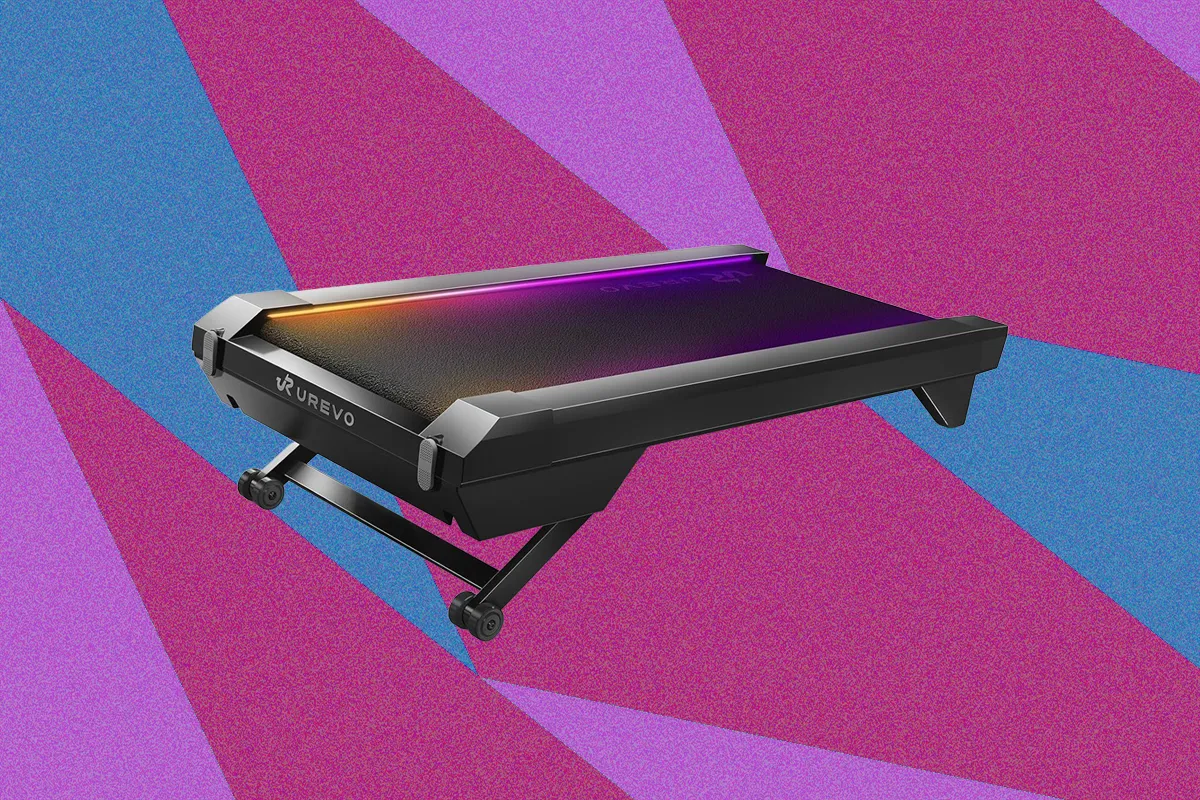
Under-desk treadmills have solidified their place as key fixtures in the evolution of active home workspaces, prompting continuous evaluations from technology and fitness analysts. In its latest assessment of compact fitness equipment for hybrid workers, Wired evaluated multiple machines to highlight the three leading walking pad treadmills suited for home and office environments. The publication focused on identifying reliable hardware that integrates smoothly into everyday desk configurations without dominating limited floor space.
The evaluation process centered on extensive hands-on testing conducted during typical workdays, with reviewers clocking substantial hours while typing, taking calls, and occasionally jogging. By examining how the equipment held up under sustained daily use, the testing team aimed to gauge long-term comfort alongside general usability. These trials allowed the reviewers to pinpoint models capable of delivering consistent performance across both leisurely pacing and more vigorous walking routines.
Interest in under-desk walking pads has expanded significantly in recent years alongside the widespread adoption of remote work and height-adjustable standing desks. Rather than investing in bulky commercial treadmills, many professionals have sought flatter, more mobile units that can slide out of sight when meetings conclude. This shift has pushed manufacturers to rethink traditional cardio equipment, prioritizing low-profile frames and discreet designs tailored specifically for residential apartments and shared workspaces.
Unlike standard gym treadmills engineered primarily for high-speed running, compact walking pads face unique mechanical demands that influence their overall longevity. Sustained walking at lower speeds generates continuous drag, placing distinct thermal loads and mechanical pressure on compact electric drive motors. Rigorous evaluations frequently focus on belt alignment, deck absorption, and motor reliability to ensure that machines do not overheat or degrade prematurely under continuous low-speed resistance.
Acoustic performance represents another critical criterion for consumers who plan to walk while working in domestic or communal office settings. Testers regularly assess the ambient hum and mechanical noise generated by moving belts, checking whether the machinery interferes with phone conversations or video conferencing audio. In addition to sound output, reviewers examine maneuverability, scrutinizing whether built-in transport wheels and folding hinges make daily repositioning effortless for a single person.
The identification of standout models provides essential guidance for consumers navigating a market saturated with varying price points and technical specifications. Because compact fitness gear ranges from bare-bones budget models to premium motorized platforms, direct testing helps clarify meaningful distinctions in frame rigidity and weight capacity. Discerning buyers increasingly look to independent evaluations to avoid fragile alternatives that might compromise stability or require frequent belt realignments.
Ergonomic specialists and wellness experts note that integrating continuous low-intensity movement into sedentary routines offers meaningful physical benefits without compromising cognitive focus. Gentle walking throughout the afternoon can help break up prolonged sitting, improve circulation, and maintain steady energy levels across long work sessions. Even so, analysts stress that equipment reliability remains paramount, as excessive mechanical vibration or inconsistent speed modulation can quickly discourage daily utilization.
Looking ahead, hardware manufacturers are continuing to refine compact treadmill designs with quieter brushless motors, advanced shock dampening, and smarter integration with workplace sensors. As hybrid working models remain established, consumer demand for dual-purpose fitness furniture is expected to drive further innovation in space-saving exercise technology. Comprehensive testing and long-term durability evaluations will likely continue to guide buyer decisions as more professionals invest in active, health-conscious home offices.
Primary source: Wired. Newzly rewrites and structures source reporting for clarity; verify critical details at the original.