Wisconsin Deer Donation Program Supplies Food Pantries With Lean Venison
Wisconsin's long-running Deer Donation Program is once again channeling surplus venison from hunters to food pantries statewide, providing critical lean protein to families experiencing food insecurity during the autumn hunting season.
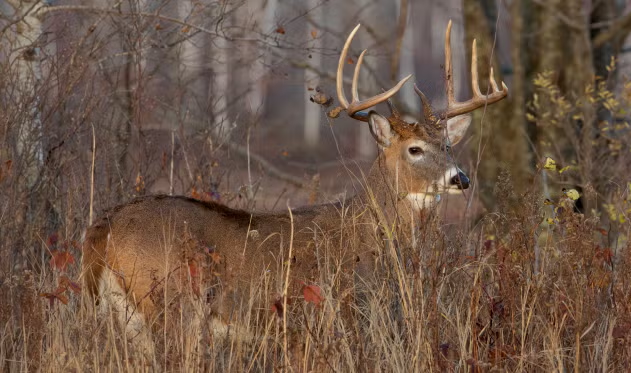
In this piece
Wisconsin hunters are supporting local food pantries by donating legally harvested deer through the state's Deer Donation Program. Partnering meat processors…
Wisconsin hunters are once again helping stock community shelves as the state's Deer Donation Program mobilizes for the hunting season. Coordinated by the Wisconsin Department of Natural Resources, the initiative enables hunters who harvest white-tailed deer to donate their quarry directly to participating meat processors, who then prepare the meat for local food pantries and charitable organizations.
Under the program guidelines, hunters can drop off legally harvested, field-dressed, and registered deer at designated processing facilities across Wisconsin at no personal expense. The cooperating butchers trim and process the carcass into ground venison, which is packaged specifically for distribution to families facing food insecurity. Hunters retain the option to keep the head and antlers for trophy mounting if they choose.
The collaborative effort has served as a cornerstone of Wisconsin's hunger-relief network since its launch in 2000. Over the past two decades, hunters across the state have contributed more than 100,000 deer to the initiative. That collective harvest has yielded over 4 million pounds of lean, high-protein venison distributed directly to regional pantries and soup kitchens.
For hunger-relief organizations, wild game donations address a critical and persistent shortage in the charitable food supply. Food pantries frequently receive non-perishable canned goods and carbohydrate-dense dry staples, but fresh, nutrient-dense protein remains one of the most expensive and difficult commodities to source. Lean ground venison offers a nutritious alternative that helps pantries meet the dietary needs of vulnerable households.
The arrival of fresh venison comes at a time when community food programs continue to navigate elevated operational costs and sustained demand. Inflationary pressures on everyday groceries have placed additional strain on working families, leading more residents to seek supplemental assistance from charitable distribution centers. Program organizers note that high-quality meat donations provide immediate relief to household budgets that might otherwise struggle to afford fresh meat.
Operating the statewide program requires steady financial backing to subsidize processing fees charged by commercial butcher shops. While hunters donate the animal free of charge, the processing costs are covered through a combination of state funds and voluntary public contributions. Hunters and non-hunters purchasing licenses can contribute monetary donations, starting at one dollar, through the state's Go Wild licensing portal to keep the program solvent.
Public health and wildlife safety remain central components of the donation pipeline. Participating meat processors adhere to strict food safety protocols, and the program integrates surveillance for Chronic Wasting Disease, a contagious neurological illness affecting cervids. Depending on the county of harvest and established monitoring zones, deer may be subject to mandatory CWD testing before the venison can be approved for public distribution.
The continued success of the donation effort relies on an extensive network of local businesses and volunteer coordinators. Independent meat processors must formally register with the Department of Natural Resources to participate, balancing the influx of donated wild game with their regular commercial processing commitments. Local pantries also register with wildlife officials to coordinate timely pickups and ensure freezer space is available when shipments arrive.
As hunting seasons proceed across Wisconsin, wildlife officials and anti-hunger advocates are encouraging hunters with surplus tags to consider donating to the nearest collection point. With demand at local pantries expected to remain elevated throughout the winter months, organizers emphasize that even a single donated deer can supply dozens of protein-rich meals to neighbors in need.
Primary source: Google News Wisconsin. Newzly rewrites and structures source reporting for clarity; verify critical details at the original.