Wisconsin Opening Weekend Gun Deer Harvest Falls Nearly 12 Percent
Wisconsin hunters registered 80,145 deer during the opening weekend of the state's nine-day gun season, an 11.7 percent decline wildlife officials attributed largely to unseasonably warm and damp weather.
In this piece
Wisconsin's gun deer harvest declined by 11.7 percent during opening weekend, with hunters tagging 80,145 deer across the state. Wildlife officials pointed to…
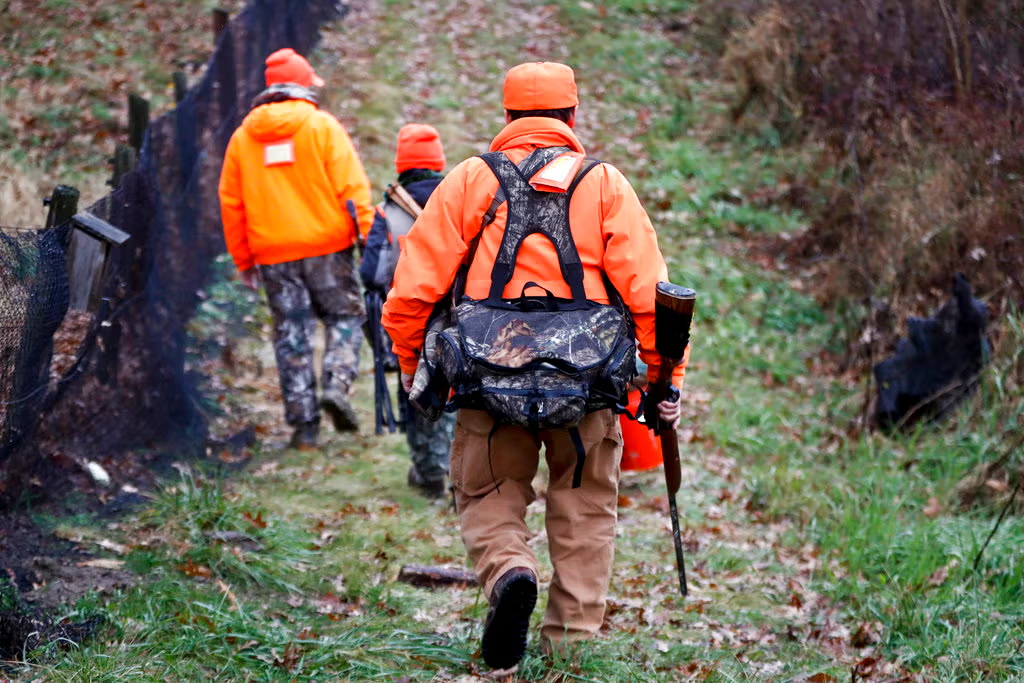
Hunters in Wisconsin registered 80,145 deer during the opening weekend of the state's traditional nine-day gun deer season, marking an 11.7 percent decrease compared to the same period last year. Preliminary figures released by the Wisconsin Department of Natural Resources show that the statewide harvest also trailed the five-year opening weekend average by roughly 12.7 percent. The drop reflects a slower start for one of the Midwest's largest and most storied autumn hunting traditions.
The downturn in harvest numbers was felt most sharply in the antlerless category, which plunged approximately 19 percent compared to the 2025 opening weekend tally. Antlered buck registrations also declined, though at a comparatively modest pace of about 5.4 percent across the state. Wildlife managers noted that the disproportionate drop in antlerless harvest often occurs when hunters encounter difficult weather early in the season and choose to hold out for mature bucks.
State wildlife officials identified unseasonably mild and wet weather as the primary factor dampening success rates over the two-day period. High temperatures climbed well above seasonal averages across most of Wisconsin, accompanied by scattered rain showers that kept many animals bedded down in thick cover. While the balmy temperatures made sitting in tree stands comfortable for hunters, they severely curtailed the daytime deer activity necessary for successful hunts.
Department specialists also pointed out that the timing of this year's gun opener fell slightly past the biological peak of the white-tailed deer mating rut. With breeding activity winding down, bucks were naturally moving less during daylight hours than they typically do in mid-November. Furthermore, an absence of early snow cover across southern and central farmlands diminished visibility and prevented hunters from easily tracking fresh sign through dense brush.
Hunting participation indicators also signaled a modest contraction leading into the opening bell. The Department of Natural Resources reported preliminary sales of 766,122 deer hunting licenses across gun, bow, crossbow, and patron categories, representing a 1.5 percent dip from the prior year. State conservation officials have monitored similar gradual declines in recent decades, corresponding to broader demographic shifts and an aging hunter population across North America.
Despite the numerical decline, the annual nine-day gun deer season continues to serve as an indispensable cultural and economic cornerstone for the Badger State. Rural communities, small towns, and northern hospitality businesses rely heavily on the influx of hunters who travel from urban centers to family hunting cabins. Local diners, gas stations, sporting goods retailers, and meat processing facilities experience some of their highest revenue days of the entire year during late November.
Beyond its commercial and cultural footprint, the annual harvest serves as the primary mechanism through which state wildlife biologists regulate deer herd density and safeguard forest ecosystems. Maintaining sustainable herd levels helps prevent agricultural crop damage, minimizes vehicle collisions on rural highways, and limits the spread of wildlife diseases. A slower opening weekend means wildlife managers will be closely monitoring how subsequent days shape up to meet regional harvest objectives set by county deer advisory councils.
DNR wardens reported that opening weekend operations proceeded smoothly across most field stations, noting a generally safe start with few serious regulatory violations or shooting incidents. Department staff also continued their ongoing disease surveillance efforts at regional check stations, collecting biological samples from harvested deer to track the prevalence of chronic wasting disease. Wildlife leaders reiterated that while opening weekend typically yields the bulk of the harvest, it does not define the final season tally.
State officials and hunters are now looking ahead to the remainder of the nine-day season, with expectations that harvest figures could rebound significantly over the Thanksgiving holiday. Forecasts calling for a drop in temperatures and potential flurries in northern counties could provide the environmental trigger needed to spur herd movement. With ample tags still available and many hunters returning to the woods for the long holiday weekend, officials believe there is still substantial opportunity to make up ground before hunting wraps up.
Primary source: Google News Wisconsin. Newzly rewrites and structures source reporting for clarity; verify critical details at the original.