Wyoming Republican Party Spent 41% of Election Cycle Funds on Law Firms
Internal litigation and constitutional battles over state election laws consumed more than 40% of the Wyoming Republican Party’s spending during the recent election cycle, financial disclosures show.
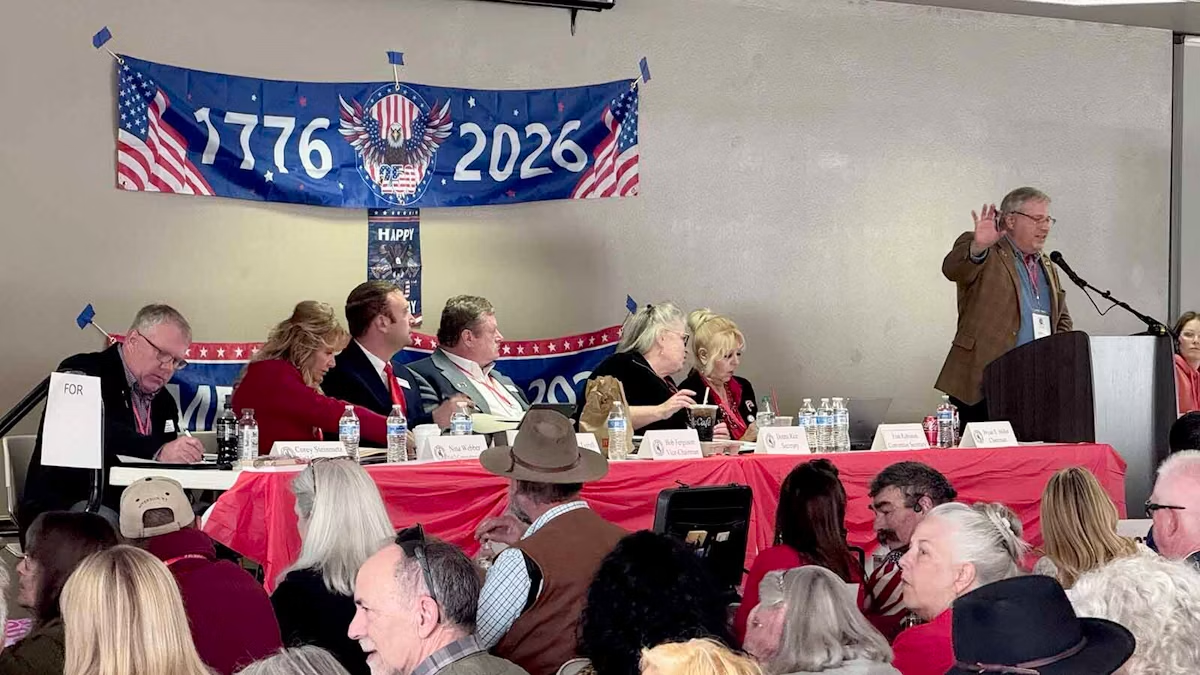
In this piece
Campaign finance records show the Wyoming Republican Party spent approximately 41% of its funds on legal counsel during the recent election cycle. Chairman…
The Wyoming Republican Party spent more than 40% of its total expenditures on legal representation during the recent election cycle, channeling substantial party resources into courtroom disputes. Financial filings revealed that the state party disbursed $247,303.37 from its accounts, with $101,849.90 going directly to law firms, according to a report by Cowboy State Daily.
Wyoming GOP Chairman Bryan Miller acknowledged the expenditures, noting that protracted legal actions consumed a significant share of party capital. Miller explained that the bulk of the legal costs arose from litigation involving members of the Hot Springs County Republican Party and broader constitutional disputes regarding state statutory oversight.
The internal friction began following local party elections in Hot Springs County, where contentious leadership races prompted intervention from the state party. The state GOP’s Dispute Resolution Committee conducted internal arbitration and overturned the local election results, restoring previously ousted officials to their roles. That move triggered sharp resistance from grassroots members who argued the state committee had exceeded its authority.
In response to the state party's intervention, local leaders filed a lawsuit challenging the Dispute Resolution Committee and the state leadership. The plaintiffs argued that the state party had unlawfully meddled in county-level organization and violated Wyoming statutory election frameworks. The dispute escalated to Uinta County District Court, pulling state party officials into sustained court proceedings.
District Judge James Kaste ruled that the state party had acted contrary to the law when it interfered in the county leadership contest. Subsequent district court findings reiterated that the Wyoming Republican Party remains subject to state organizational and election laws. The court rejected arguments presented by party attorneys that the state organization enjoys sweeping immunity from state oversight.
Under Miller’s leadership, the state party has maintained an increasingly assertive stance regarding political autonomy and organizational freedom. Citing legal precedents such as the landmark U.S. Supreme Court decision in Eu v. San Francisco County Democratic Central Committee, party leadership asserted that political parties are private entities entitled to First Amendment freedom of association protections. Under this interpretation, state laws governing internal party structures and primary endorsements represent unconstitutional government intrusion.
Attorneys for the challengers countered that the Wyoming GOP cannot discard state election statutes after operating within them for decades, invoking the legal doctrine of laches. Beyond the county-level dispute, the party’s legal ledger has also been affected by federal litigation directed at the Wyoming Secretary of State’s Office over election rules. These compounding court battles have required sustained legal representation across both state and federal jurisdictions.
The allocation of nearly 41% of total expenditures to legal counsel underscores the financial strain caused by ongoing ideological and procedural rifts within the state GOP. Rather than deploying those funds toward campaign operations, voter outreach, or grassroots organizing, substantial sums were diverted to retain outside law firms. The expenditure pattern reflects deep factional divisions between traditional state structures and party leaders advocating for institutional independence.
The legal fight is now positioned before the Wyoming Supreme Court as the state party appeals the district court's adverse rulings. The outcome of the appeal could set lasting legal precedents for how political parties in Wyoming balance internal autonomy with statutory requirements. Observers and party members alike continue to monitor whether future campaign filings will reflect an ongoing drain from legal overhead or a return to conventional campaign spending.
Primary source: Google News Wyoming. Newzly rewrites and structures source reporting for clarity; verify critical details at the original.