X introduces parental controls for teens, including daily time limits
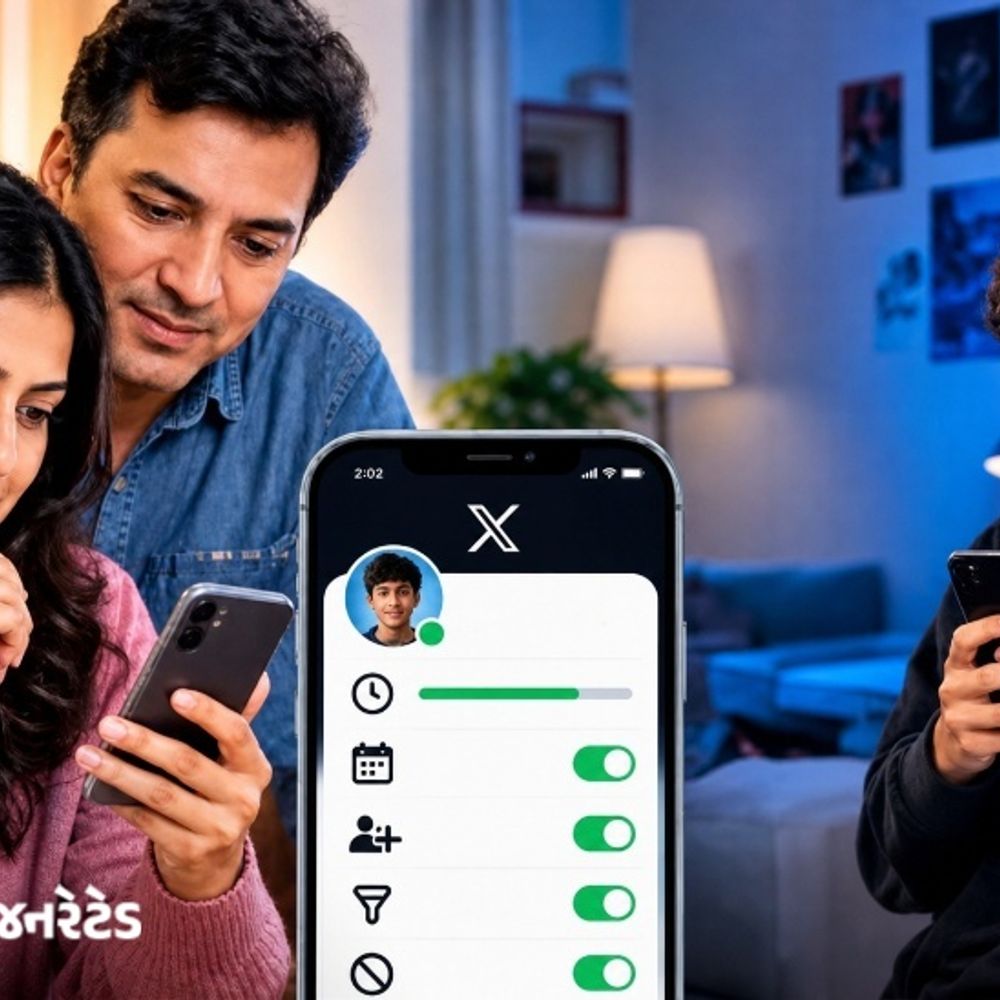
X is introducing parental controls that let parents set daily time limits for teenagers, according to Divya Bhaskar Utility. The controls will not allow parents to read private chats.
In this piece
Parents will be able to set daily time limits for teenagers on X under parental controls reported by Divya Bhaskar Utility. Private chats will remain outside…
X is introducing parental controls for teenagers that will allow parents to set daily time limits on the platform, according to a report by Divya Bhaskar Utility. The controls will not give parents permission to read teenagers’ private chats, drawing a distinction between supervising time spent online and accessing personal conversations.
The daily limit is the main practical feature identified in the report’s headline. It would give parents a way to establish how much time a teenager can spend on X each day, although the supplied material does not explain how the setting is applied or what happens when that limit is reached.
The restriction on reading private chats is an important boundary in the reported offering. Parents would have a role in managing platform use without receiving access to the content of those conversations through these controls. The report does not describe whether any other information about account activity would be visible to them.
For families, the distinction matters because time management and oversight of conversations address different concerns. A daily cap can help establish a limit on use, but it does not tell a parent what a teenager has encountered or discussed while online. The reported controls should therefore not be interpreted as providing comprehensive monitoring.
The announcement also raises practical questions about how parental involvement will work. The supplied report does not specify the ages covered by the teenage-account features, how a parent’s relationship to an account will be established, or whether a teenager must agree to activate supervision. Those details would help families understand who can use the controls and under what conditions.
Availability is another point not established by the source material provided. It does not identify supported countries, a rollout schedule or whether the features are accessible to all eligible accounts. As a result, the report alone does not establish that a particular family can already find and enable the settings.
The information available supports a narrow description of the change: parents can set daily time limits, while private-chat content remains outside their access. It does not establish additional protections or changes to other account settings. Any assessment of how effective the controls will be would require more detail about their operation, rather than the announcement alone.
The next practical step for interested families is to look for instructions and eligibility information from X before relying on the controls. Further details would need to clarify activation, enforcement of time limits and availability. For now, Divya Bhaskar Utility’s report identifies time management—not access to private conversations—as the central parental capability.
Primary source: Divya Bhaskar Utility. Newzly rewrites and structures source reporting for clarity; verify critical details at the original.