Zelenskyy Rejects U.S. Proposal to Cede Donbas to Russia for NATO Membership
Ukrainian President Volodymyr Zelenskyy has rejected a U.S.-floated concept suggesting Kyiv withdraw from the eastern Donbas region in exchange for NATO membership, insisting Ukraine will not surrender sovereign territory.
In this piece
Ukrainian President Volodymyr Zelenskyy dismissed suggestions from American negotiators that Kyiv concede the Donbas region to Russia in exchange for NATO…
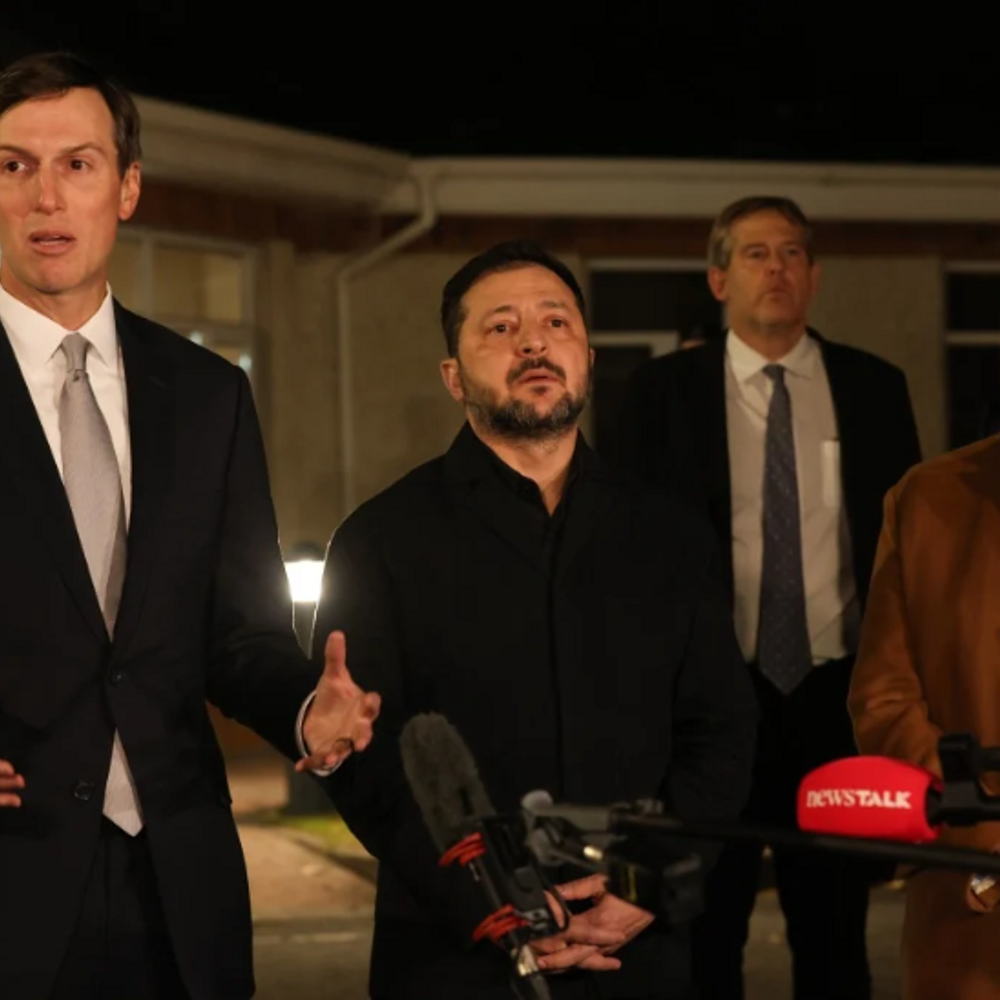
Ukrainian President Volodymyr Zelenskyy has firmly rejected diplomatic proposals floated by U.S. mediators that suggested Kyiv relinquish the eastern Donbas region in exchange for membership in NATO. Speaking on the latest round of diplomatic engagements, the Ukrainian leader emphasized that his administration remains completely unwilling to trade national sovereignty for security pacts, declaring that the country will not give up even an inch of its land.
The controversial concept emerged during confidential peace discussions in Abu Dhabi, where American negotiators reportedly broached the possibility of a territorial compromise to bring an end to the protracted war with Russia. According to Zelenskyy, this marked the first time that U.S. mediators explicitly linked Ukrainian entry into the North Atlantic alliance directly to territorial concessions in the industrial Donbas basin.
Addressing the proposal, Zelenskyy underscored that he lacks the constitutional and legal authority to unilaterally give away sovereign Ukrainian land to an invading power. He stated that the Ukrainian constitution strictly protects the country's territorial integrity, preventing any political leader from redrawing national boundaries through executive decree or diplomatic negotiation.
While reiterating Kyiv's firm opposition to ceding land, the president noted that any hypothetical settlement altering Ukraine's borders would require direct democratic approval from the Ukrainian people. He indicated that if Western allies were ever to present an ironclad, comprehensive security package—including guaranteed NATO entry, full military funding, and long-term reconstruction support—the decision would have to be put to a national referendum.
The Donbas region, comprising the eastern provinces of Donetsk and Luhansk, has been the primary epicenter of intense fighting since Russia launched its full-scale invasion in February 2022. Ukrainian forces have spent years defending fortified industrial towns and strategic logistics hubs across the region against relentless Russian assaults, suffering substantial casualties while inflicting heavy losses on advancing forces.
The discussions reflect an evolving, pragmatic debate among Western officials over potential off-ramps to halt the ongoing war of attrition in Eastern Europe. Confronted by political shifts, economic pressures, and uncertainty over long-term military assistance, some American and European strategists have weighed whether formal Western security guarantees could provide Ukraine sufficient protection without demanding the immediate military recapture of all occupied zones.
For Ukraine and its Eastern European allies, however, legally or de facto ceding occupied territories carries profound long-term risks for European security. Ukrainian officials have repeatedly warned that rewarding territorial aggression sets a catastrophic precedent on the continent, potentially encouraging Moscow to reconstitute its forces and launch renewed offensives in the future.
Substantial diplomatic obstacles also remain on the Russian side, as the Kremlin has repeatedly demanded Ukraine renounce all aspirations of joining NATO as a precondition for any peace deal. Moscow has formally claimed annexation over Donetsk, Luhansk, Zaporizhzhia, and Kherson, while continuing to insist on Ukraine's permanent neutrality and severe demilitarization.
With Ukraine firmly resisting territorial concessions and Russian forces pressing forward along the eastern front line, diplomatic breakthroughs remain elusive. For now, Kyiv is maintaining its diplomatic posture that genuine peace requires the restoration of international law and robust, enforceable security commitments from the international community.
Primary source: Divya Bhaskar International. Newzly rewrites and structures source reporting for clarity; verify critical details at the original.